

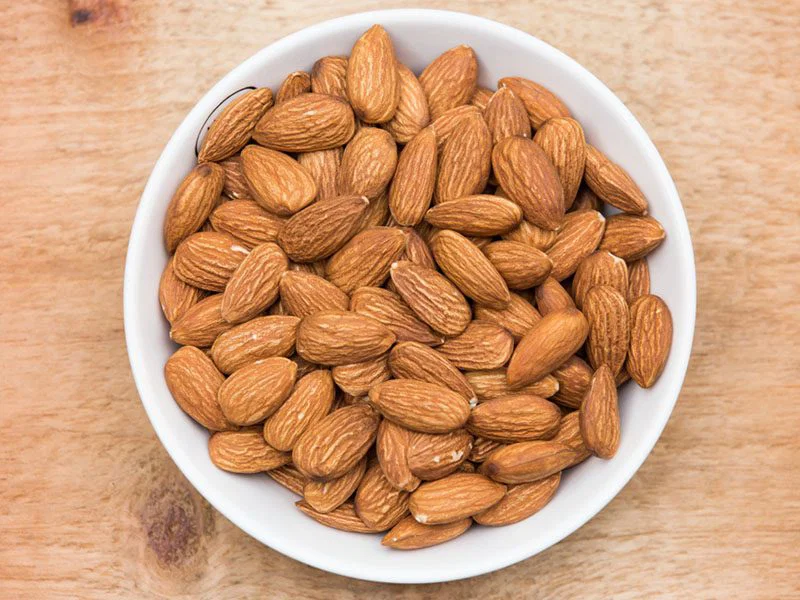
Almond
Nuts
 Nutrients
Fibre, Protein, Iron, Fat, Vitamin E and B12, Manganese, Magnesium, Copper, Vitamin B2 (Riboflavin), Phosphorus, Carbohydrates, Fibre, Potassium, Calcium, Zinc, Omega 3
 Pregnancy
Almonds are safe for pregnant women if taken in moderation. Excessive intake of raw almonds has been linked in some reports to premature delivery. The fibre in nuts is essential for proper digestion while Vitamin E keeps skin and hair healthy. Other nutrients in almonds are required for proper brain functioning as well as maintaining the nervous system.
 Postpartum
As there are so many nutrients packed into an almond, it’s an ideal food to have while you recover after childbirth. It is generally considered safe for women with no history of food allergies to eat common allergens such as nuts.
Breastfeeding
It is generally considered safe for women with no history of food allergies to eat common allergens such as nuts. Almonds when consumed fresh help in breast milk production. They can greatly enhance brain development and protect against heart disease for your newborn through the consumption of your breastmilk.
 Baby
Baby
Almonds are not suitable for babies under the age of 11 months.
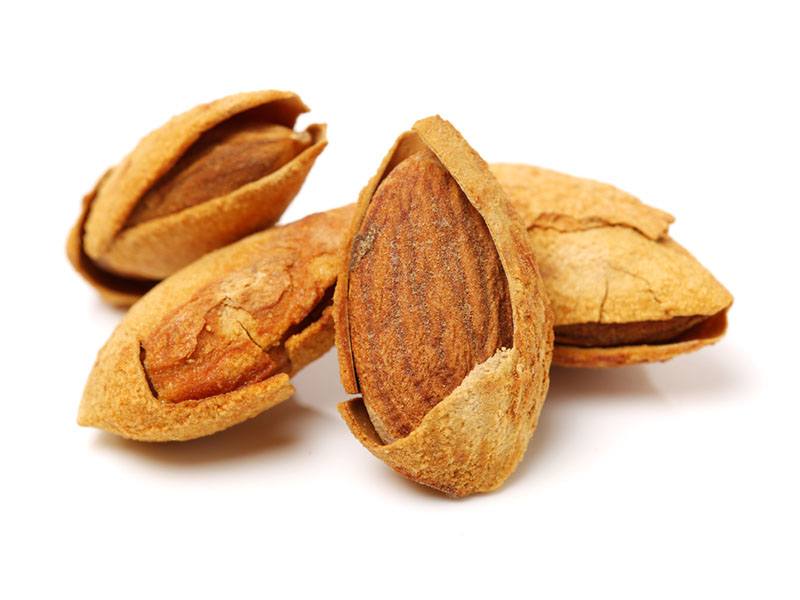
Apricot kernel (bitter almonds)
Nuts
Nutrients
Pregnancy
Expectant mothers should not be eating apricot kernels, as bitter almonds contain more amygdalin that can incerease the risk of cyanide poisoning.
Postpartum
Postpartum mothers should avoid eating apricot kernel due to the risk of cyanide poisoning. Eat the sweeter options if you really want to.
Breastfeeding
While breastfeeding, you should not be eating bitter almonds due to the risk of cyanide poisoning. Prefer eating the sweeter options in limit.
Baby
Babies and apricot kernels do not go well. The risk of cyanide poisoning is far too high for babies. Feed them sweet boiled almonds if need be.
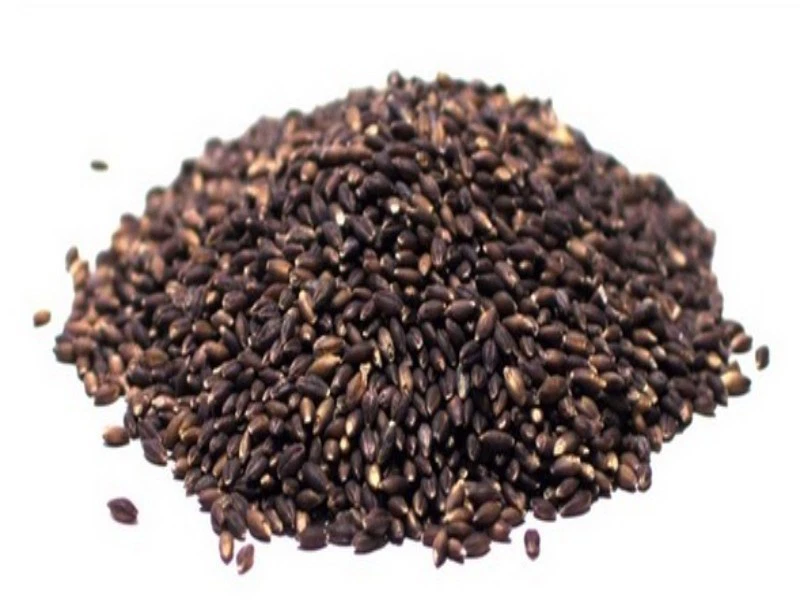
Black barley
Nuts
Nutrients
Carbs, Protein, Fat, Calcium, Iron, Fiber
Pregnancy
Barley is safe to take in moderate amounts during pregnancy. Barley is believed to ease constipation and It can flush out the excess fluids from the body which help to get relief from water retention in the legs.
Postpartum
Barley has dietary fibre which helps in weight management. Wholegrain barley is also high in antioxidants, vitamins and minerals which make it a nutritious.
Breastfeeding
Barley has a great source of dietary fibre component of beta-glucan, which increase the levels of the breastfeeding hormones.
 Baby
Baby
Barley should never be introduced to your baby as the ‘first food’. It needs to be introduced after 6 months. Barley is rich in dietary fiber which regulates free bowel movements . It also contains high quantities of phosphorous and calcium which help to strengthen the bones.
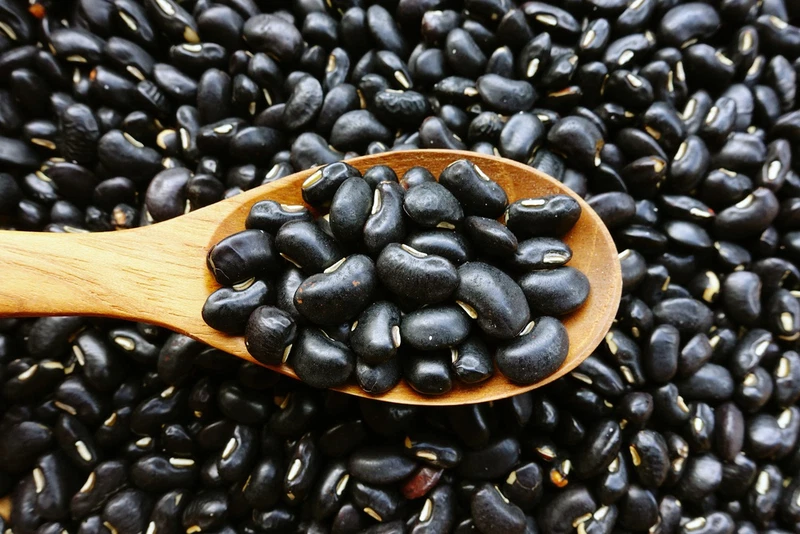
Black bean
Nuts
Nutrients
Energy, Protein, Fat, Carbohydrates, Fibre, Sugar, Calcium, Iron, Zinc, Folate, Magnesium, Phosphorus
Pregnancy
If cooked properly, black beans are safe for consumption by pregnant mums and can keep anaemia at bay, as well as promote developing your baby’s health. Black beans may also cause gas and flatulence in some women, so eat in moderation if you experience this. Be warned: all legumes, including black beans, contain a compound called phytohemagglutinin, which can be toxic in high amounts when consumed raw or undercooked.
Postpartum
The rich levels of high-quality protein and iron in black beans can help you regain your strength after childbirth, while the high iron and folate content helps your recovery. Because they are high in fibre, black beans can also help prevent constipation (but may cause gas in some mums). Black beans are especially good for vegetarian mums, as they are a great source of non-animal protein. Be warned: all legumes, including black beans, contain a compound called phytohemagglutinin, which can be toxic in high amounts when consumed raw or undercooked.
Breastfeeding
Yes, you can eat black beans, breastfeeding mummy. They are high in protein and fibre and low in calories. Black beans may cause gas in some, so watch out for fussiness in your baby if you eat black beans and nurse. Be warned: all legumes, including black beans, contain a compound called phytohemagglutinin, which can be toxic in high amounts when consumed raw or undercooked.
Baby
You can introduce cooked and mashed black beans to your baby at around 6 months of age. Avoid giving whole beans as they may pose a choking hazard. Be warned: all legumes, including black beans, contain a compound called phytohemagglutinin, which can be toxic in high amounts when consumed raw or undercooked.
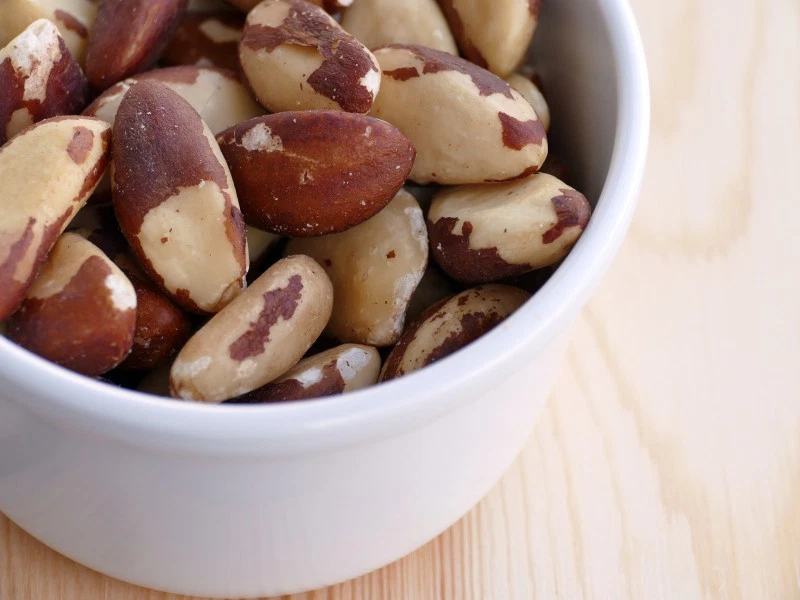
Brazil nut
Nuts
Nutrients
Calories, Protein, Fat, Fiber, Phosphorus, Potassium, Magnesium, Calcium, Zinc, Iron, Selenium, Vitamin E
Pregnancy
Brazil nuts are a good source of selenium. Selenium can protect your body from all sorts of chronic conditions and prevent or help regulate thyroid problems.
Postpartum
Brazil nuts contain selenium which is important for increasing the body’s immune function. And also it helps new mum to have less mood disturbances.
Breastfeeding
Brazil nuts are a great snack for breastfeeding mothers. They are full of selenium, vitamin E, and magnesium.
Baby
If completely ground and served in scant quantities, you can give brazil nuts to your baby after 12 months in very limited quantities. Though Brazil nuts are packed with many nutrients, they also contain an extraordinary amount of selenium, an essential nutrient that can be toxic if consumed too frequently and/or in high quantities.
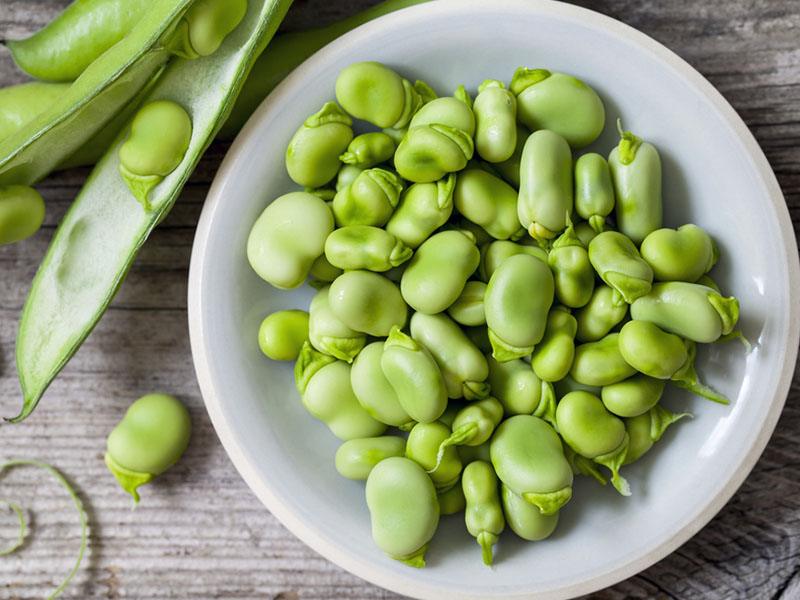
Broad bean/fava bean
Nuts
Nutrients
Fibre, Calcium, Thiamin, Vitamin A, C, D, B-6, Pottasium, Copper, Lean Protein, Iron, Cobalamin, Magnesium
Pregnancy
If you do not have a family history of bean allergies, you can add broad beans to your pregnancy diet. These beans are not only rich in fibre, but also in essential nutrients that are required for the growth and development of your baby. It’s best to blanch them before eating to get the best results.
Postpartum
You can eat broad beans after delivering your baby. They are rich in fibre and other essential nutrients and lean protein that increase physical strength. It also improves immunity.
Breastfeeding
You are free to eat broad beans while breastfeeding. They are rich in fibre and other essential nutrients, and lean protein that nourish the brain and improve disease resistance. The baby benefits from the transferred nutrition in breastmilk.
Baby
You can feed your 6-month-old baby blanched or boiled broad beans. Keep a note of whether your baby is showing any allergic symptoms, and contact the doctor immediately if you notice any. Broad beans contain a generous amount of essential nutrients that aid in the baby’s overall physical and nervous growth and development.
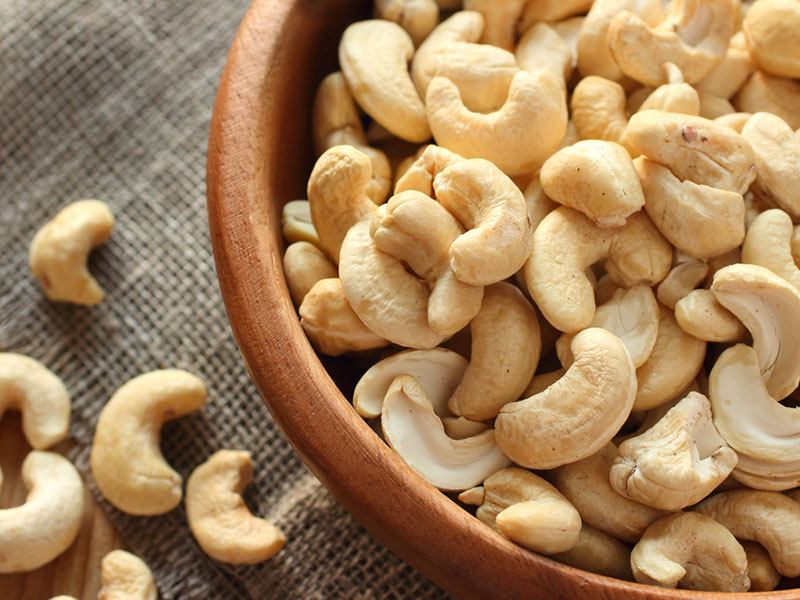
Cashew nuts
Nuts
Nutrients
Carbohydrate, Sugar, Fiber, Protein, Fat, Calcium, Iron, Magnesium, Phosphorus, Potassium, Sodium, Zinc, Copper, Vitamin K
Pregnancy
Cashew nuts are good for pregnant women in moderate amount if there is no previous diagnosis of allergy to nuts. Cashew nuts provide nutrients essential in pregnancy, can be a good source of energy and can help underweight mums gain weight. However, eating too much can cause rapid weight gain and can worsen blood pressure problems.
Postpartum
It is generally considered safe for women with no history of food allergies to eat common allergens such as nuts while they’re breastfeeding.
Breastfeeding
It is beneficial for nursing mothers to eat cashew nuts during breastfeeding, as they are great for healthy bone development. Mums, if you have a strong family history of severe allergy try to avoid common allergens during breastfeeding. If you are clear on the allergy alert, feel free to include them in your diet. Note: bloody stools and irritability are very common signs of allergic reaction in a baby.
Baby
Cashew nuts are not suitable for babies under the age of 11 months.
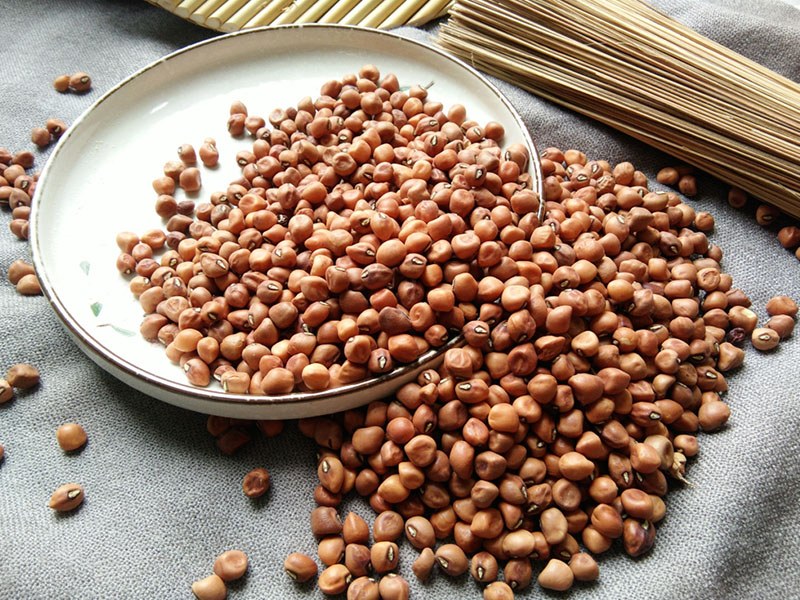
Catjang/cowpea
Nuts
Nutrients
Folate, Copper, Iron, Potassium, Protein, Lecithin, Carotene
Pregnancy
Various nutrients found in cowpea are very beneficial to pregnant women, so mummies-to-be, enjoy this ingredient as much as you want! Nutrients in cowpea can contribute nutrition to expectant mothers and fetus, and also improve immunity.
Postpartum
After giving birth, you can also continue to add cowpeas to your diet because it is rich in nutrients that help digestion, increase appetite, and improve immunity. High carotene in cowpeas help mothers recover faster and maintain your eye and skin health.
Breastfeeding
Yes, breastfeeding mothers can eat cowpeas! Cowpeas are rich in nutrients that can help digestion, increase appetite, and improve immunity. Carotene in cowpeas is high, which can help maintain eye and skin health, improve rough skin and improve breast milk quality!
Baby
Babies who are over 6 months old can eat cowpeas. However, it is recommended to add them with other complementary food and it must be well-cooked.
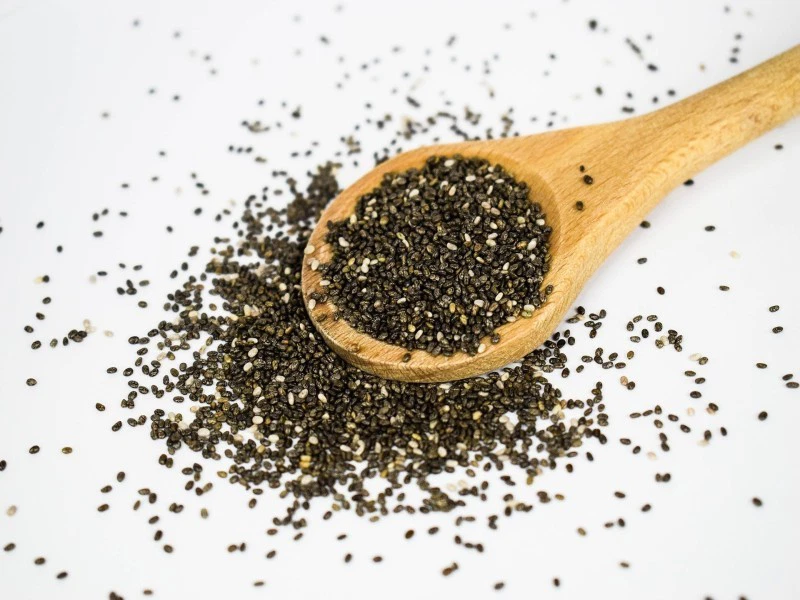
Chia seeds
Nuts
Nutrients
Fiber, Protein, Fat (omega-3 ), Calcium, Manganese, Magnesium, Phosphorus, Zinc, Vitamin B3 (niacin), Potassium, Vitamin B1 (thiamine) , Vitamin B2
Pregnancy
Omega 3 in chia facilitates healthy placental blood flow between mother and baby. Protein in chia is essential for building baby’s body. Though chia seeds are nutritious, and they are safe to consume during pregnancy. It may be a good idea to eat no more than 1 ounce of the seeds per day.
Postpartum
Fiber in chia seeds helps to ease constipation during postpartum period.
Breastfeeding
Though chia seeds are nutritious, and they are safe to consume during breastfeeding . It may be a good idea to eat no more than 1 ounce of the seeds per day.
Baby
Chia is a soft eating seed and can be included in your baby’s diet when baby starts solids. It contains fibre, omega-3, protein and antioxidants.
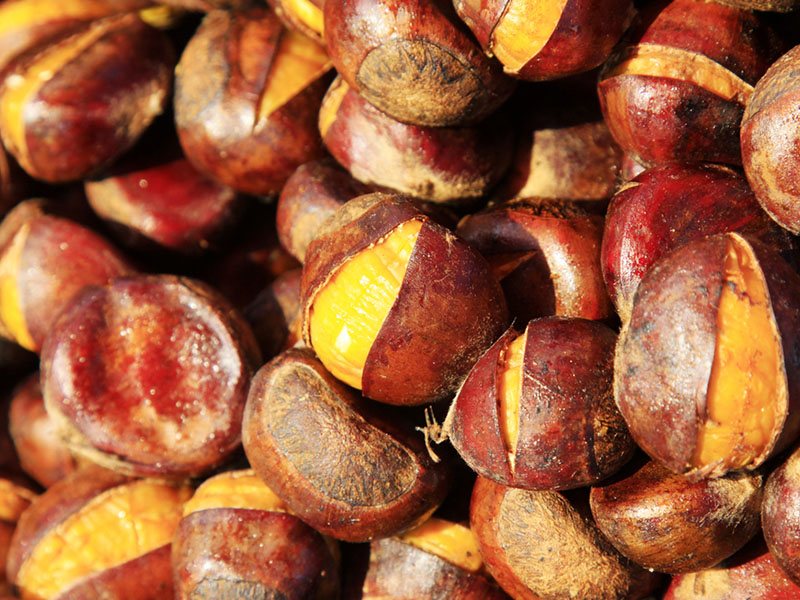
Chinese chestnuts
Nuts
Nutrients
Protein, Niacin, Dietary Fibre, Cellulose, Vitamin C, Folates, Oleic Acid, Palmitoleic Acids, Iron, Calcium, Magnesium, Folic Acid, Sulphur, Manganese and Copper
Pregnancy
You can snack on yummy chestnuts, mums-to-be. The nutrients in these nuts can help boost the immune system and prevent birth defects in your baby. Chestnuts can also help to reduce cholesterol levels, and so, are heart healthy.
Postpartum
Eating chestnuts during the postpartum period can help to boost the immune system and aid new mothers in their recovery. They are also good for heart health.
Breastfeeding
A perfect snack for breastfeeding mums, chestnuts even act as milk boosters for some mummies.
Baby
Chestnuts are not suitable for babies under the age of 11 months.
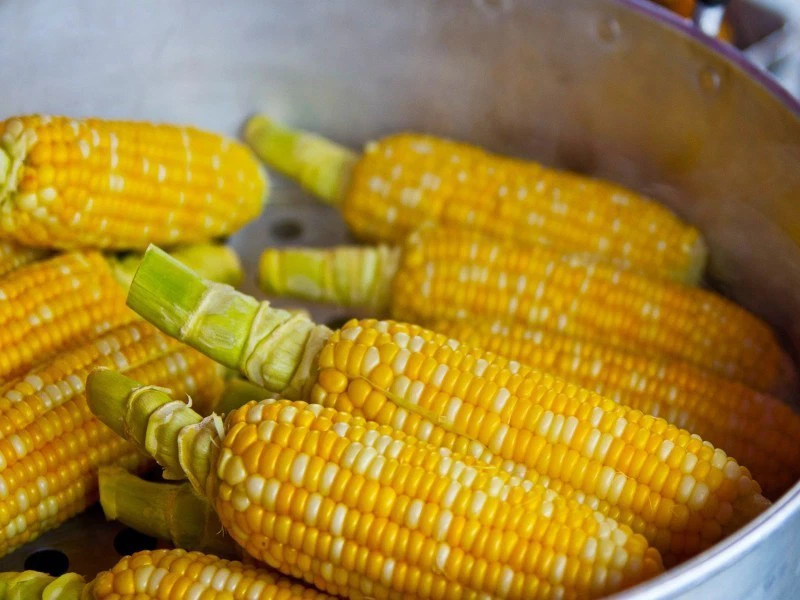
Cornnuts
Nuts
Nutrients
Calories, Sodium , Dietary Fibers, Protein ,Iron
Pregnancy
Corn is a rich source of minerals and vitamins. It is also a high-fiber snack can help the constipation.
Postpartum
Though corn is rich in dietary fibre which can help new mothers to fight against constipation, It is not easy to digest, therefore new mother need to consume it in moderation.
Breastfeeding
Though Corn is nutritious food, it also is able to make your baby colic and gassy. It is better for breastfeeding mother to avoid this.
Baby
Corn helps your baby to gain weight and develop brain. If your family has a history of corn allergies, you need to avoid it until the baby is grown enough.
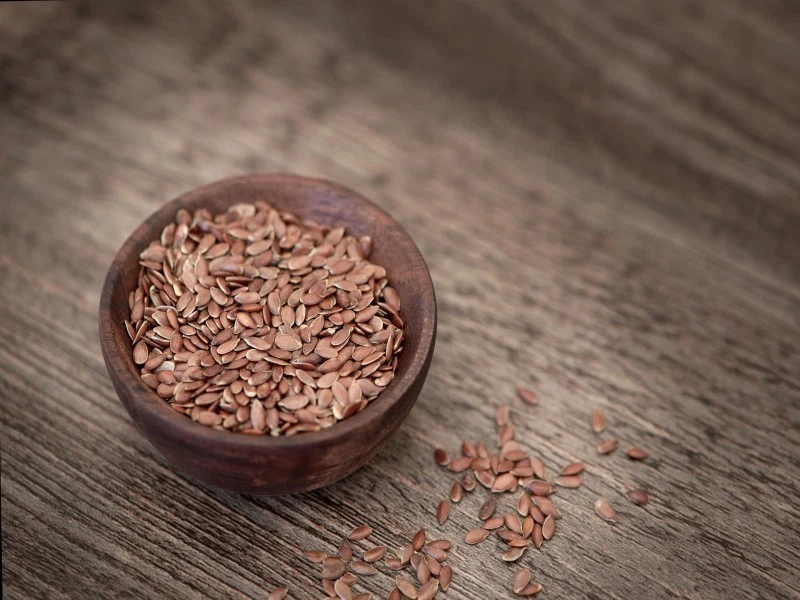
Flax seed
Nuts
Nutrients
Fibre, Protein, Iron, Fat, Vitamin E and B12, Manganese, Magnesium, Copper, Vitamin B2 (Riboflavin), Phosphorus, Carbohydrates, Fibre, Potassium, Calcium, Zinc, Omega 3
Pregnancy
Almonds are safe for pregnant women if taken in moderation. Excessive intake of raw almonds has been linked in some reports to premature delivery. The fibre in nuts is essential for proper digestion while Vitamin E keeps skin and hair healthy. Other nutrients in almonds are required for proper brain functioning as well as maintaining the nervous system.
Postpartum
As there are so many nutrients packed into an almond, it’s an ideal food to have while you recover after childbirth. It is generally considered safe for women with no history of food allergies to eat common allergens such as nuts.
Breastfeeding
It is generally considered safe for women with no history of food allergies to eat common allergens such as nuts. Almonds when consumed fresh help in breast milk production. They can greatly enhance brain development and protect against heart disease for your newborn through the consumption of your breastmilk.
Baby
Almonds are not suitable for babies under the age of 11 months.
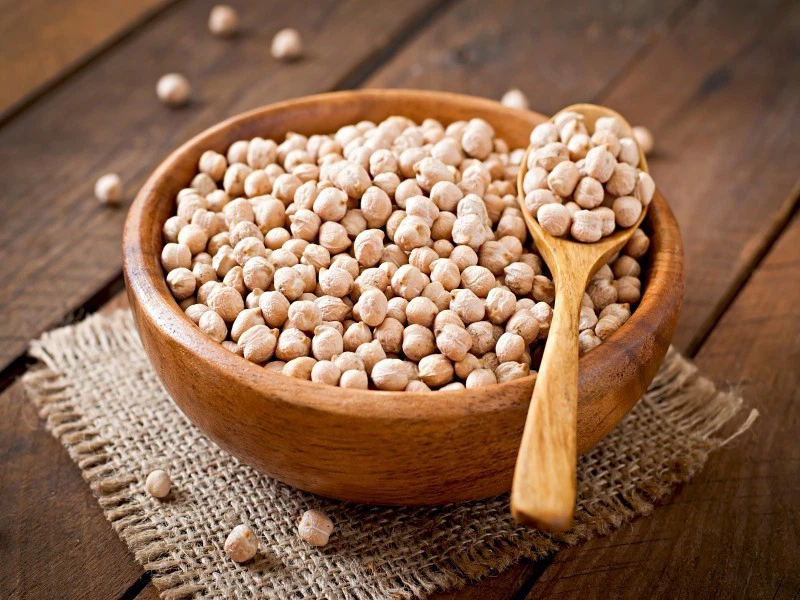
Garbanzo
Nuts
Nutrients
Fibre, Protein, Iron, Fat, Vitamin E and B12, Manganese, Magnesium, Copper, Vitamin B2 (Riboflavin), Phosphorus, Carbohydrates, Fibre, Potassium, Calcium, Zinc, Omega 3
Pregnancy
Almonds are safe for pregnant women if taken in moderation. Excessive intake of raw almonds has been linked in some reports to premature delivery. The fibre in nuts is essential for proper digestion while Vitamin E keeps skin and hair healthy. Other nutrients in almonds are required for proper brain functioning as well as maintaining the nervous system.
Postpartum
As there are so many nutrients packed into an almond, it’s an ideal food to have while you recover after childbirth. It is generally considered safe for women with no history of food allergies to eat common allergens such as nuts.
Breastfeeding
It is generally considered safe for women with no history of food allergies to eat common allergens such as nuts. Almonds when consumed fresh help in breast milk production. They can greatly enhance brain development and protect against heart disease for your newborn through the consumption of your breastmilk.
Baby
Almonds are not suitable for babies under the age of 11 months.
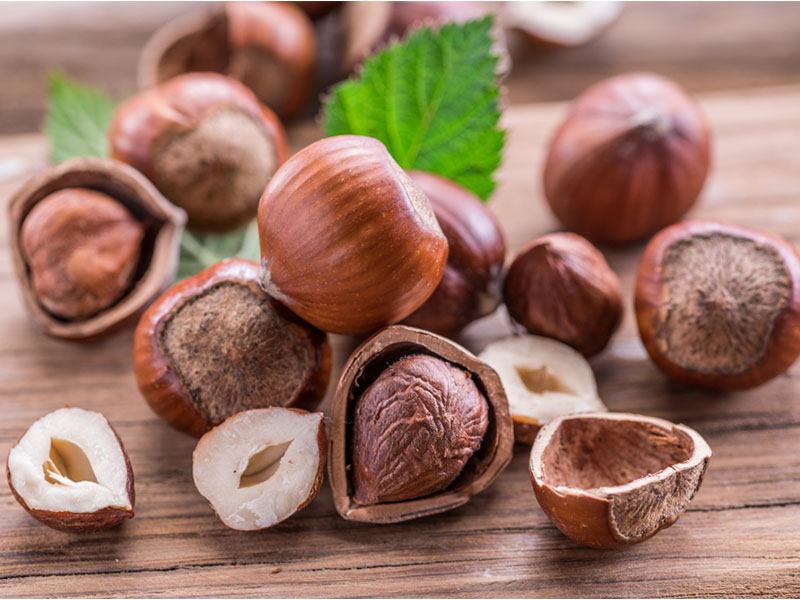
Hazelnut
Nuts
Nutrients
Fibre, Protein, Iron, Fat, Vitamin E and B12, Manganese, Magnesium, Copper, Vitamin B2 (Riboflavin), Phosphorus, Carbohydrates, Fibre, Potassium, Calcium, Zinc, Omega 3
Pregnancy
Almonds are safe for pregnant women if taken in moderation. Excessive intake of raw almonds has been linked in some reports to premature delivery. The fibre in nuts is essential for proper digestion while Vitamin E keeps skin and hair healthy. Other nutrients in almonds are required for proper brain functioning as well as maintaining the nervous system.
Postpartum
As there are so many nutrients packed into an almond, it’s an ideal food to have while you recover after childbirth. It is generally considered safe for women with no history of food allergies to eat common allergens such as nuts.
Breastfeeding
It is generally considered safe for women with no history of food allergies to eat common allergens such as nuts. Almonds when consumed fresh help in breast milk production. They can greatly enhance brain development and protect against heart disease for your newborn through the consumption of your breastmilk.
Baby
Almonds are not suitable for babies under the age of 11 months.
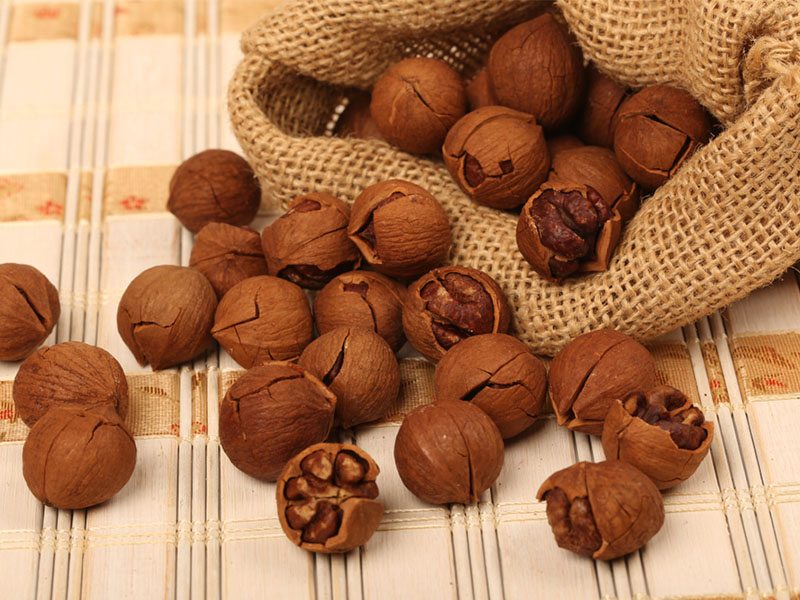
Hickory
Nuts
Nutrients
Fibre, Protein, Iron, Fat, Vitamin E and B12, Manganese, Magnesium, Copper, Vitamin B2 (Riboflavin), Phosphorus, Carbohydrates, Fibre, Potassium, Calcium, Zinc, Omega 3
Pregnancy
Almonds are safe for pregnant women if taken in moderation. Excessive intake of raw almonds has been linked in some reports to premature delivery. The fibre in nuts is essential for proper digestion while Vitamin E keeps skin and hair healthy. Other nutrients in almonds are required for proper brain functioning as well as maintaining the nervous system.
Postpartum
As there are so many nutrients packed into an almond, it’s an ideal food to have while you recover after childbirth. It is generally considered safe for women with no history of food allergies to eat common allergens such as nuts.
Breastfeeding
It is generally considered safe for women with no history of food allergies to eat common allergens such as nuts. Almonds when consumed fresh help in breast milk production. They can greatly enhance brain development and protect against heart disease for your newborn through the consumption of your breastmilk.
Baby
Almonds are not suitable for babies under the age of 11 months.
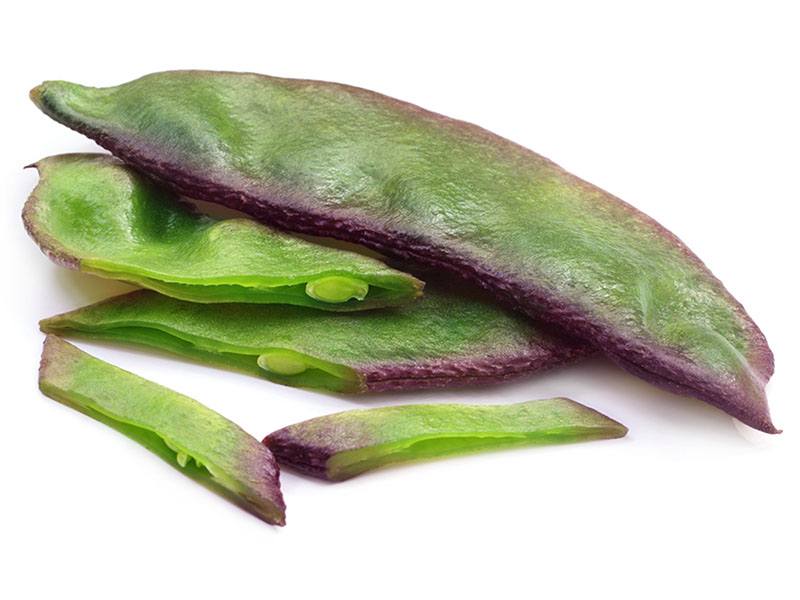
Hyacinth beans
Nuts
Nutrients
Fibre, Protein, Iron, Fat, Vitamin E and B12, Manganese, Magnesium, Copper, Vitamin B2 (Riboflavin), Phosphorus, Carbohydrates, Fibre, Potassium, Calcium, Zinc, Omega 3
Pregnancy
Almonds are safe for pregnant women if taken in moderation. Excessive intake of raw almonds has been linked in some reports to premature delivery. The fibre in nuts is essential for proper digestion while Vitamin E keeps skin and hair healthy. Other nutrients in almonds are required for proper brain functioning as well as maintaining the nervous system.
Postpartum
As there are so many nutrients packed into an almond, it’s an ideal food to have while you recover after childbirth. It is generally considered safe for women with no history of food allergies to eat common allergens such as nuts.
Breastfeeding
It is generally considered safe for women with no history of food allergies to eat common allergens such as nuts. Almonds when consumed fresh help in breast milk production. They can greatly enhance brain development and protect against heart disease for your newborn through the consumption of your breastmilk.
Baby
Almonds are not suitable for babies under the age of 11 months.
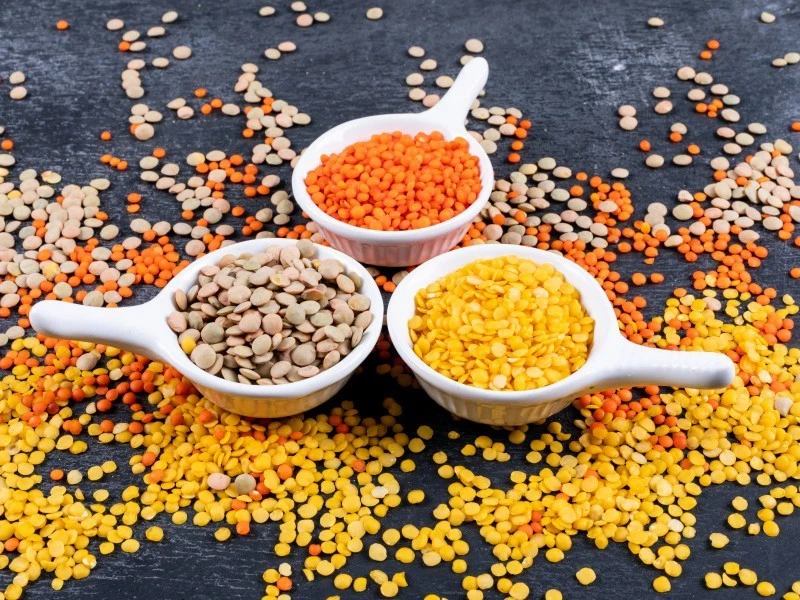
Lentils
Nuts
Nutrients
Fibre, Protein, Iron, Fat, Vitamin E and B12, Manganese, Magnesium, Copper, Vitamin B2 (Riboflavin), Phosphorus, Carbohydrates, Fibre, Potassium, Calcium, Zinc, Omega 3
Pregnancy
Almonds are safe for pregnant women if taken in moderation. Excessive intake of raw almonds has been linked in some reports to premature delivery. The fibre in nuts is essential for proper digestion while Vitamin E keeps skin and hair healthy. Other nutrients in almonds are required for proper brain functioning as well as maintaining the nervous system.
Postpartum
As there are so many nutrients packed into an almond, it’s an ideal food to have while you recover after childbirth. It is generally considered safe for women with no history of food allergies to eat common allergens such as nuts.
Breastfeeding
It is generally considered safe for women with no history of food allergies to eat common allergens such as nuts. Almonds when consumed fresh help in breast milk production. They can greatly enhance brain development and protect against heart disease for your newborn through the consumption of your breastmilk.
Baby
Almonds are not suitable for babies under the age of 11 months.
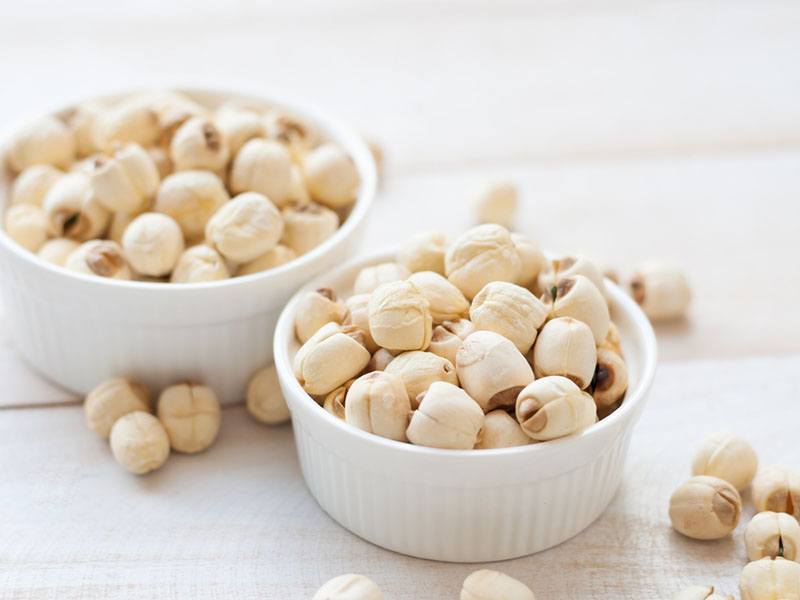
Lotus seed
Nuts
Nutrients
Fibre, Protein, Iron, Fat, Vitamin E and B12, Manganese, Magnesium, Copper, Vitamin B2 (Riboflavin), Phosphorus, Carbohydrates, Fibre, Potassium, Calcium, Zinc, Omega 3
Pregnancy
Almonds are safe for pregnant women if taken in moderation. Excessive intake of raw almonds has been linked in some reports to premature delivery. The fibre in nuts is essential for proper digestion while Vitamin E keeps skin and hair healthy. Other nutrients in almonds are required for proper brain functioning as well as maintaining the nervous system.
Postpartum
As there are so many nutrients packed into an almond, it’s an ideal food to have while you recover after childbirth. It is generally considered safe for women with no history of food allergies to eat common allergens such as nuts.
Breastfeeding
It is generally considered safe for women with no history of food allergies to eat common allergens such as nuts. Almonds when consumed fresh help in breast milk production. They can greatly enhance brain development and protect against heart disease for your newborn through the consumption of your breastmilk.
Baby
Almonds are not suitable for babies under the age of 11 months.

Macadamia nuts
Nuts
Nutrients
Fibre, Protein, Iron, Fat, Vitamin E and B12, Manganese, Magnesium, Copper, Vitamin B2 (Riboflavin), Phosphorus, Carbohydrates, Fibre, Potassium, Calcium, Zinc, Omega 3
Pregnancy
Almonds are safe for pregnant women if taken in moderation. Excessive intake of raw almonds has been linked in some reports to premature delivery. The fibre in nuts is essential for proper digestion while Vitamin E keeps skin and hair healthy. Other nutrients in almonds are required for proper brain functioning as well as maintaining the nervous system.
Postpartum
As there are so many nutrients packed into an almond, it’s an ideal food to have while you recover after childbirth. It is generally considered safe for women with no history of food allergies to eat common allergens such as nuts.
Breastfeeding
It is generally considered safe for women with no history of food allergies to eat common allergens such as nuts. Almonds when consumed fresh help in breast milk production. They can greatly enhance brain development and protect against heart disease for your newborn through the consumption of your breastmilk.
Baby
Almonds are not suitable for babies under the age of 11 months.
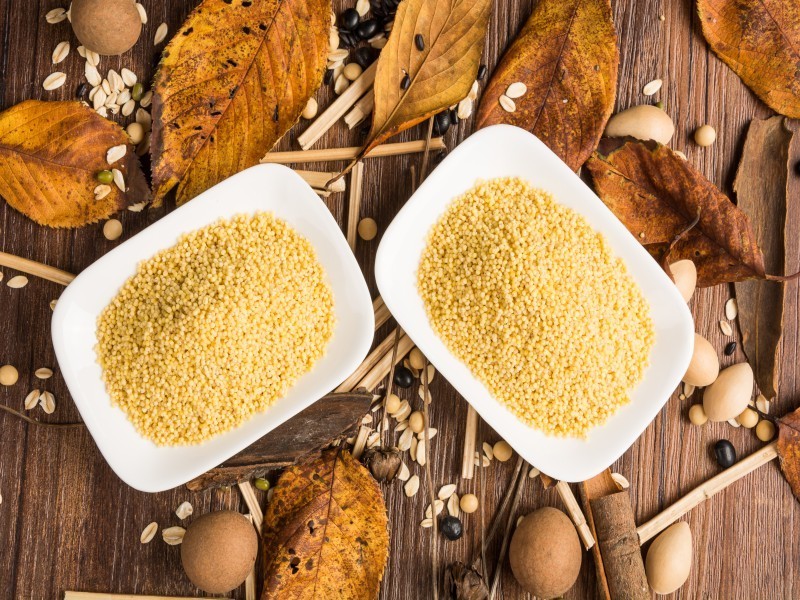
Millet
Nuts
Nutrients
Fibre, Protein, Iron, Fat, Vitamin E and B12, Manganese, Magnesium, Copper, Vitamin B2 (Riboflavin), Phosphorus, Carbohydrates, Fibre, Potassium, Calcium, Zinc, Omega 3
Pregnancy
Almonds are safe for pregnant women if taken in moderation. Excessive intake of raw almonds has been linked in some reports to premature delivery. The fibre in nuts is essential for proper digestion while Vitamin E keeps skin and hair healthy. Other nutrients in almonds are required for proper brain functioning as well as maintaining the nervous system.
Postpartum
As there are so many nutrients packed into an almond, it’s an ideal food to have while you recover after childbirth. It is generally considered safe for women with no history of food allergies to eat common allergens such as nuts.
Breastfeeding
It is generally considered safe for women with no history of food allergies to eat common allergens such as nuts. Almonds when consumed fresh help in breast milk production. They can greatly enhance brain development and protect against heart disease for your newborn through the consumption of your breastmilk.
Baby
Almonds are not suitable for babies under the age of 11 months.
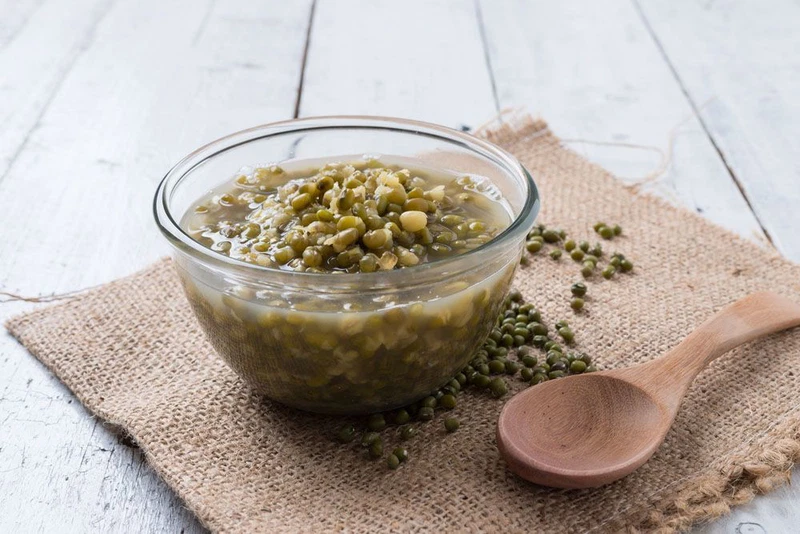
Mung bean
Nuts
Nutrients
Fibre, Protein, Iron, Fat, Vitamin E and B12, Manganese, Magnesium, Copper, Vitamin B2 (Riboflavin), Phosphorus, Carbohydrates, Fibre, Potassium, Calcium, Zinc, Omega 3
Pregnancy
Almonds are safe for pregnant women if taken in moderation. Excessive intake of raw almonds has been linked in some reports to premature delivery. The fibre in nuts is essential for proper digestion while Vitamin E keeps skin and hair healthy. Other nutrients in almonds are required for proper brain functioning as well as maintaining the nervous system.
Postpartum
As there are so many nutrients packed into an almond, it’s an ideal food to have while you recover after childbirth. It is generally considered safe for women with no history of food allergies to eat common allergens such as nuts.
Breastfeeding
It is generally considered safe for women with no history of food allergies to eat common allergens such as nuts. Almonds when consumed fresh help in breast milk production. They can greatly enhance brain development and protect against heart disease for your newborn through the consumption of your breastmilk.
Baby
Almonds are not suitable for babies under the age of 11 months.
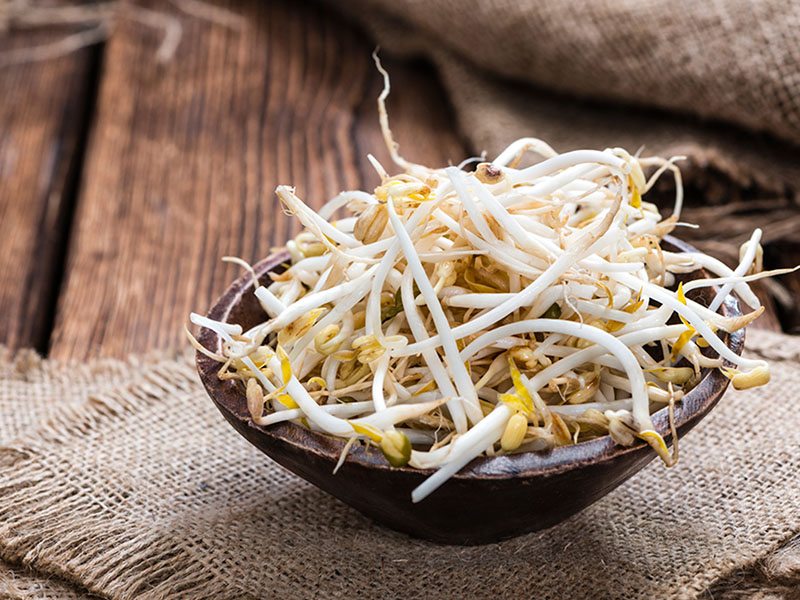
Mung bean sprouts
Nuts
Nutrients
Fibre, Protein, Iron, Fat, Vitamin E and B12, Manganese, Magnesium, Copper, Vitamin B2 (Riboflavin), Phosphorus, Carbohydrates, Fibre, Potassium, Calcium, Zinc, Omega 3
Pregnancy
Almonds are safe for pregnant women if taken in moderation. Excessive intake of raw almonds has been linked in some reports to premature delivery. The fibre in nuts is essential for proper digestion while Vitamin E keeps skin and hair healthy. Other nutrients in almonds are required for proper brain functioning as well as maintaining the nervous system.
Postpartum
As there are so many nutrients packed into an almond, it’s an ideal food to have while you recover after childbirth. It is generally considered safe for women with no history of food allergies to eat common allergens such as nuts.
Breastfeeding
It is generally considered safe for women with no history of food allergies to eat common allergens such as nuts. Almonds when consumed fresh help in breast milk production. They can greatly enhance brain development and protect against heart disease for your newborn through the consumption of your breastmilk.
Baby
Almonds are not suitable for babies under the age of 11 months.
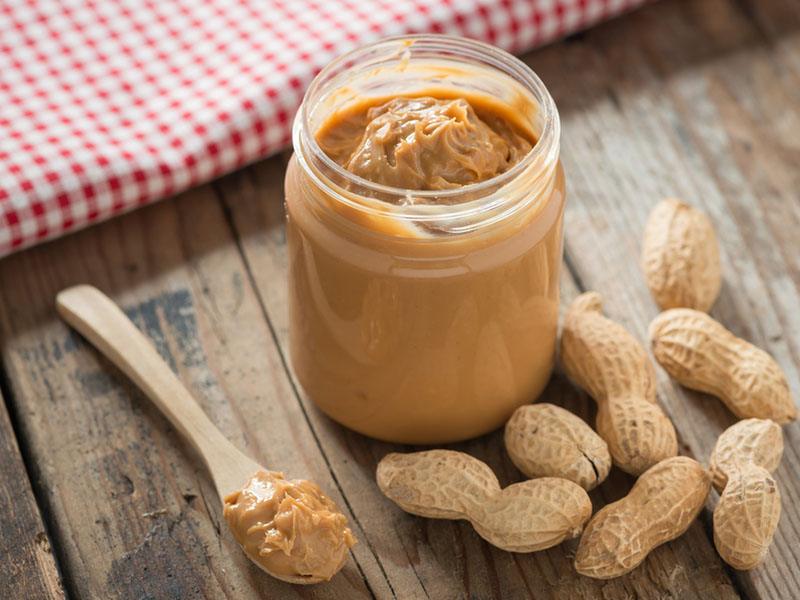
Peanuts
Nuts
Nutrients
Fibre, Protein, Iron, Fat, Vitamin E and B12, Manganese, Magnesium, Copper, Vitamin B2 (Riboflavin), Phosphorus, Carbohydrates, Fibre, Potassium, Calcium, Zinc, Omega 3
Pregnancy
Almonds are safe for pregnant women if taken in moderation. Excessive intake of raw almonds has been linked in some reports to premature delivery. The fibre in nuts is essential for proper digestion while Vitamin E keeps skin and hair healthy. Other nutrients in almonds are required for proper brain functioning as well as maintaining the nervous system.
Postpartum
As there are so many nutrients packed into an almond, it’s an ideal food to have while you recover after childbirth. It is generally considered safe for women with no history of food allergies to eat common allergens such as nuts.
Breastfeeding
It is generally considered safe for women with no history of food allergies to eat common allergens such as nuts. Almonds when consumed fresh help in breast milk production. They can greatly enhance brain development and protect against heart disease for your newborn through the consumption of your breastmilk.
Baby
Almonds are not suitable for babies under the age of 11 months.
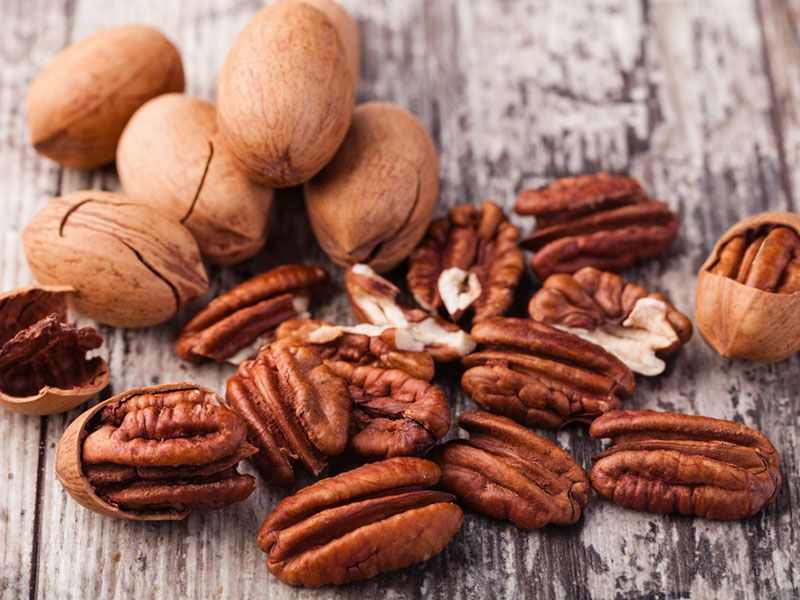
Pecans
Nuts
Nutrients
Fibre, Protein, Iron, Fat, Vitamin E and B12, Manganese, Magnesium, Copper, Vitamin B2 (Riboflavin), Phosphorus, Carbohydrates, Fibre, Potassium, Calcium, Zinc, Omega 3
Pregnancy
Almonds are safe for pregnant women if taken in moderation. Excessive intake of raw almonds has been linked in some reports to premature delivery. The fibre in nuts is essential for proper digestion while Vitamin E keeps skin and hair healthy. Other nutrients in almonds are required for proper brain functioning as well as maintaining the nervous system.
Postpartum
As there are so many nutrients packed into an almond, it’s an ideal food to have while you recover after childbirth. It is generally considered safe for women with no history of food allergies to eat common allergens such as nuts.
Breastfeeding
It is generally considered safe for women with no history of food allergies to eat common allergens such as nuts. Almonds when consumed fresh help in breast milk production. They can greatly enhance brain development and protect against heart disease for your newborn through the consumption of your breastmilk.
Baby
Almonds are not suitable for babies under the age of 11 months.
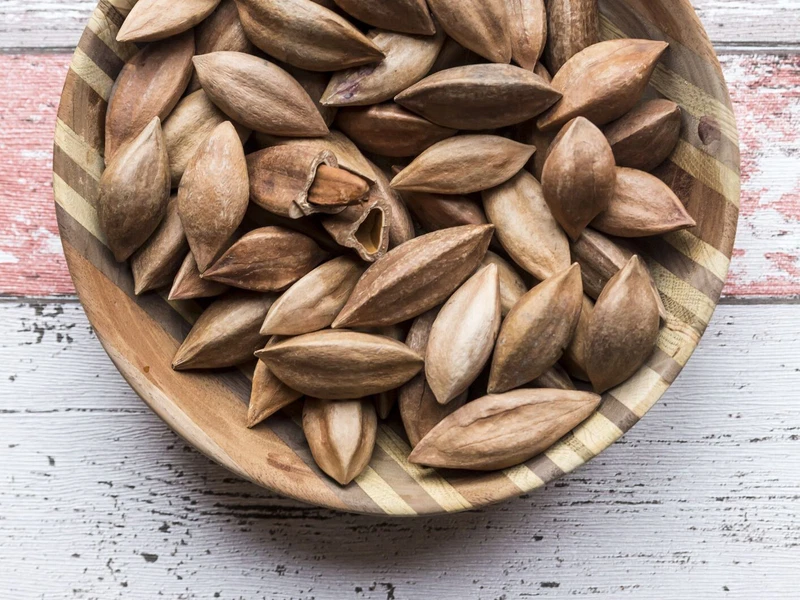
Pili nuts
Nuts
Nutrients
Fibre, Protein, Iron, Fat, Vitamin E and B12, Manganese, Magnesium, Copper, Vitamin B2 (Riboflavin), Phosphorus, Carbohydrates, Fibre, Potassium, Calcium, Zinc, Omega 3
Pregnancy
Almonds are safe for pregnant women if taken in moderation. Excessive intake of raw almonds has been linked in some reports to premature delivery. The fibre in nuts is essential for proper digestion while Vitamin E keeps skin and hair healthy. Other nutrients in almonds are required for proper brain functioning as well as maintaining the nervous system.
Postpartum
As there are so many nutrients packed into an almond, it’s an ideal food to have while you recover after childbirth. It is generally considered safe for women with no history of food allergies to eat common allergens such as nuts.
Breastfeeding
It is generally considered safe for women with no history of food allergies to eat common allergens such as nuts. Almonds when consumed fresh help in breast milk production. They can greatly enhance brain development and protect against heart disease for your newborn through the consumption of your breastmilk.
Baby
Almonds are not suitable for babies under the age of 11 months.
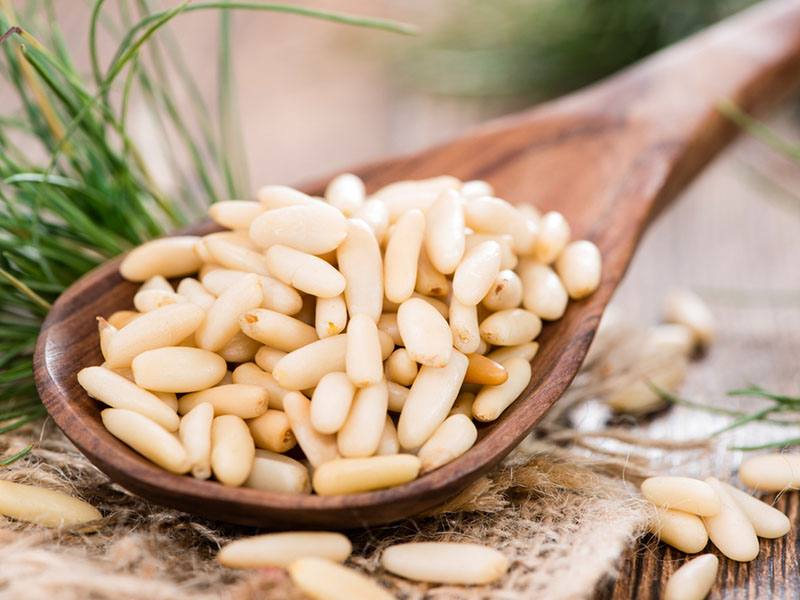
Pine nuts
Nuts
Nutrients
Fibre, Protein, Iron, Fat, Vitamin E and B12, Manganese, Magnesium, Copper, Vitamin B2 (Riboflavin), Phosphorus, Carbohydrates, Fibre, Potassium, Calcium, Zinc, Omega 3
Pregnancy
Almonds are safe for pregnant women if taken in moderation. Excessive intake of raw almonds has been linked in some reports to premature delivery. The fibre in nuts is essential for proper digestion while Vitamin E keeps skin and hair healthy. Other nutrients in almonds are required for proper brain functioning as well as maintaining the nervous system.
Postpartum
As there are so many nutrients packed into an almond, it’s an ideal food to have while you recover after childbirth. It is generally considered safe for women with no history of food allergies to eat common allergens such as nuts.
Breastfeeding
It is generally considered safe for women with no history of food allergies to eat common allergens such as nuts. Almonds when consumed fresh help in breast milk production. They can greatly enhance brain development and protect against heart disease for your newborn through the consumption of your breastmilk.
Baby
Almonds are not suitable for babies under the age of 11 months.
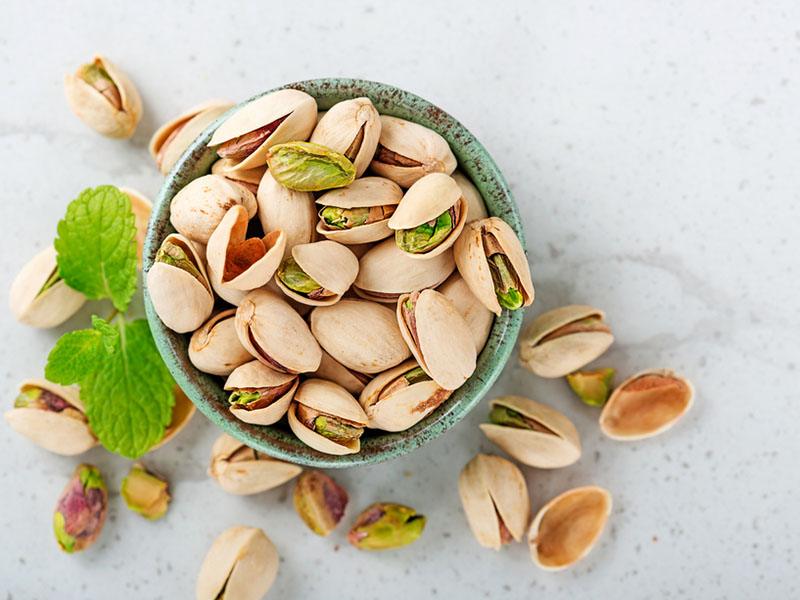
Pistachio
Nuts
Nutrients
Fibre, Protein, Iron, Fat, Vitamin E and B12, Manganese, Magnesium, Copper, Vitamin B2 (Riboflavin), Phosphorus, Carbohydrates, Fibre, Potassium, Calcium, Zinc, Omega 3
Pregnancy
Almonds are safe for pregnant women if taken in moderation. Excessive intake of raw almonds has been linked in some reports to premature delivery. The fibre in nuts is essential for proper digestion while Vitamin E keeps skin and hair healthy. Other nutrients in almonds are required for proper brain functioning as well as maintaining the nervous system.
Postpartum
As there are so many nutrients packed into an almond, it’s an ideal food to have while you recover after childbirth. It is generally considered safe for women with no history of food allergies to eat common allergens such as nuts.
Breastfeeding
It is generally considered safe for women with no history of food allergies to eat common allergens such as nuts. Almonds when consumed fresh help in breast milk production. They can greatly enhance brain development and protect against heart disease for your newborn through the consumption of your breastmilk.
Baby
Almonds are not suitable for babies under the age of 11 months.
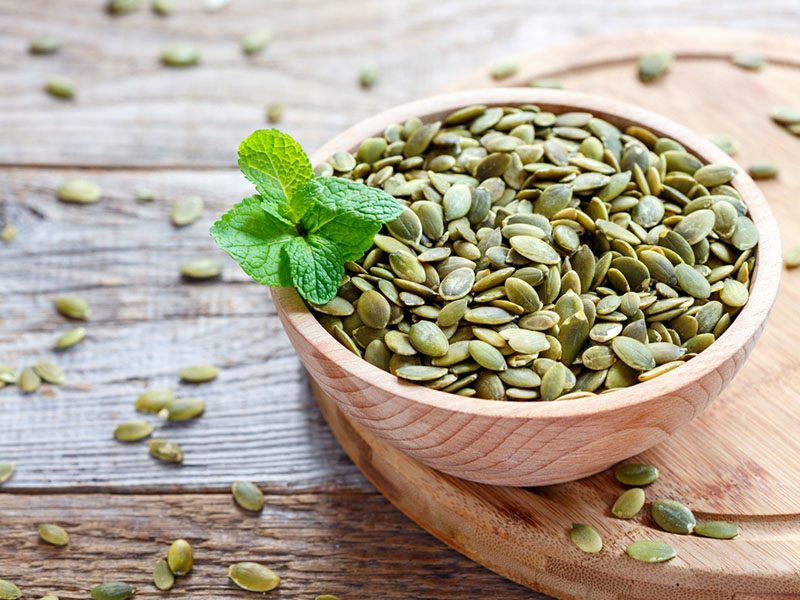
Pumpkin seeds
Nuts
Nutrients
Fibre, Protein, Iron, Fat, Vitamin E and B12, Manganese, Magnesium, Copper, Vitamin B2 (Riboflavin), Phosphorus, Carbohydrates, Fibre, Potassium, Calcium, Zinc, Omega 3
Pregnancy
Almonds are safe for pregnant women if taken in moderation. Excessive intake of raw almonds has been linked in some reports to premature delivery. The fibre in nuts is essential for proper digestion while Vitamin E keeps skin and hair healthy. Other nutrients in almonds are required for proper brain functioning as well as maintaining the nervous system.
Postpartum
As there are so many nutrients packed into an almond, it’s an ideal food to have while you recover after childbirth. It is generally considered safe for women with no history of food allergies to eat common allergens such as nuts.
Breastfeeding
It is generally considered safe for women with no history of food allergies to eat common allergens such as nuts. Almonds when consumed fresh help in breast milk production. They can greatly enhance brain development and protect against heart disease for your newborn through the consumption of your breastmilk.
Baby
Almonds are not suitable for babies under the age of 11 months.
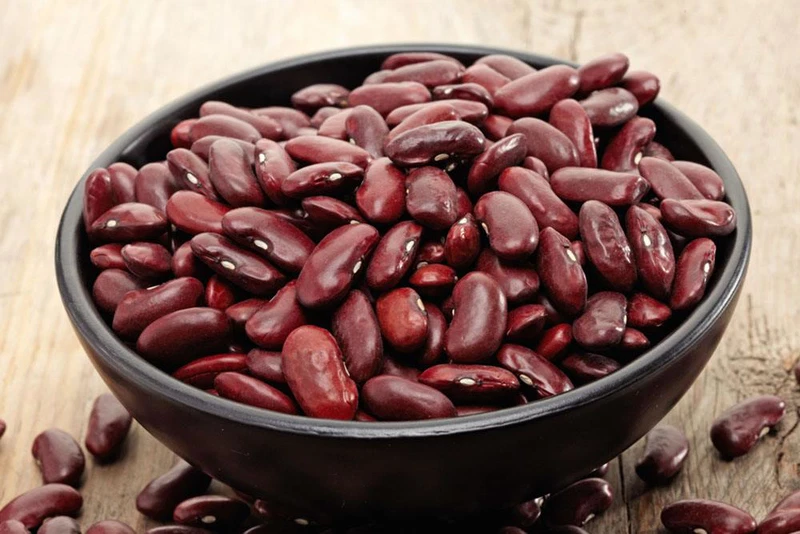
Red bean
Nuts
Nutrients
Fibre, Protein, Iron, Fat, Vitamin E and B12, Manganese, Magnesium, Copper, Vitamin B2 (Riboflavin), Phosphorus, Carbohydrates, Fibre, Potassium, Calcium, Zinc, Omega 3
Pregnancy
Almonds are safe for pregnant women if taken in moderation. Excessive intake of raw almonds has been linked in some reports to premature delivery. The fibre in nuts is essential for proper digestion while Vitamin E keeps skin and hair healthy. Other nutrients in almonds are required for proper brain functioning as well as maintaining the nervous system.
Postpartum
As there are so many nutrients packed into an almond, it’s an ideal food to have while you recover after childbirth. It is generally considered safe for women with no history of food allergies to eat common allergens such as nuts.
Breastfeeding
It is generally considered safe for women with no history of food allergies to eat common allergens such as nuts. Almonds when consumed fresh help in breast milk production. They can greatly enhance brain development and protect against heart disease for your newborn through the consumption of your breastmilk.
Baby
Almonds are not suitable for babies under the age of 11 months.

Scarlet runner bean
Nuts
Nutrients
Fibre, Protein, Iron, Fat, Vitamin E and B12, Manganese, Magnesium, Copper, Vitamin B2 (Riboflavin), Phosphorus, Carbohydrates, Fibre, Potassium, Calcium, Zinc, Omega 3
Pregnancy
Almonds are safe for pregnant women if taken in moderation. Excessive intake of raw almonds has been linked in some reports to premature delivery. The fibre in nuts is essential for proper digestion while Vitamin E keeps skin and hair healthy. Other nutrients in almonds are required for proper brain functioning as well as maintaining the nervous system.
Postpartum
As there are so many nutrients packed into an almond, it’s an ideal food to have while you recover after childbirth. It is generally considered safe for women with no history of food allergies to eat common allergens such as nuts.
Breastfeeding
It is generally considered safe for women with no history of food allergies to eat common allergens such as nuts. Almonds when consumed fresh help in breast milk production. They can greatly enhance brain development and protect against heart disease for your newborn through the consumption of your breastmilk.
Baby
Almonds are not suitable for babies under the age of 11 months.
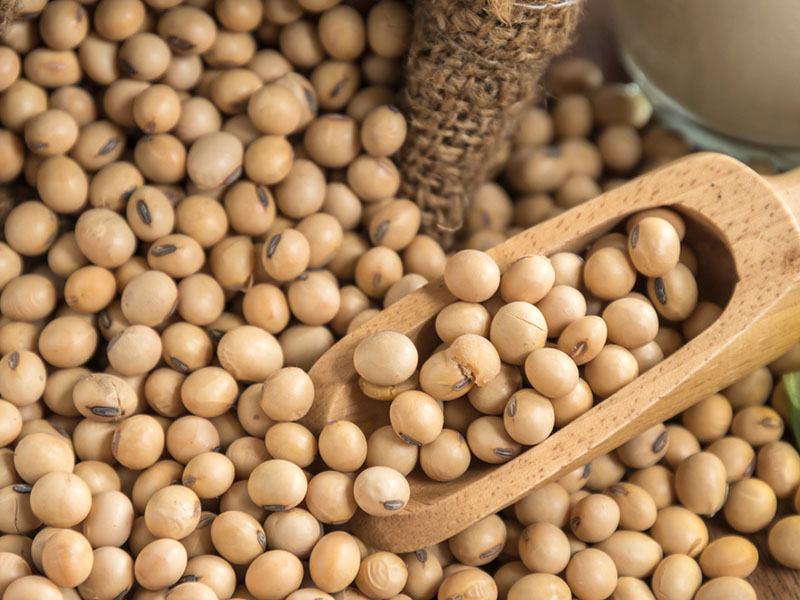
Soybean
Nuts
Nutrients
Fibre, Protein, Iron, Fat, Vitamin E and B12, Manganese, Magnesium, Copper, Vitamin B2 (Riboflavin), Phosphorus, Carbohydrates, Fibre, Potassium, Calcium, Zinc, Omega 3
Pregnancy
Almonds are safe for pregnant women if taken in moderation. Excessive intake of raw almonds has been linked in some reports to premature delivery. The fibre in nuts is essential for proper digestion while Vitamin E keeps skin and hair healthy. Other nutrients in almonds are required for proper brain functioning as well as maintaining the nervous system.
Postpartum
As there are so many nutrients packed into an almond, it’s an ideal food to have while you recover after childbirth. It is generally considered safe for women with no history of food allergies to eat common allergens such as nuts.
Breastfeeding
It is generally considered safe for women with no history of food allergies to eat common allergens such as nuts. Almonds when consumed fresh help in breast milk production. They can greatly enhance brain development and protect against heart disease for your newborn through the consumption of your breastmilk.
Baby
Almonds are not suitable for babies under the age of 11 months.
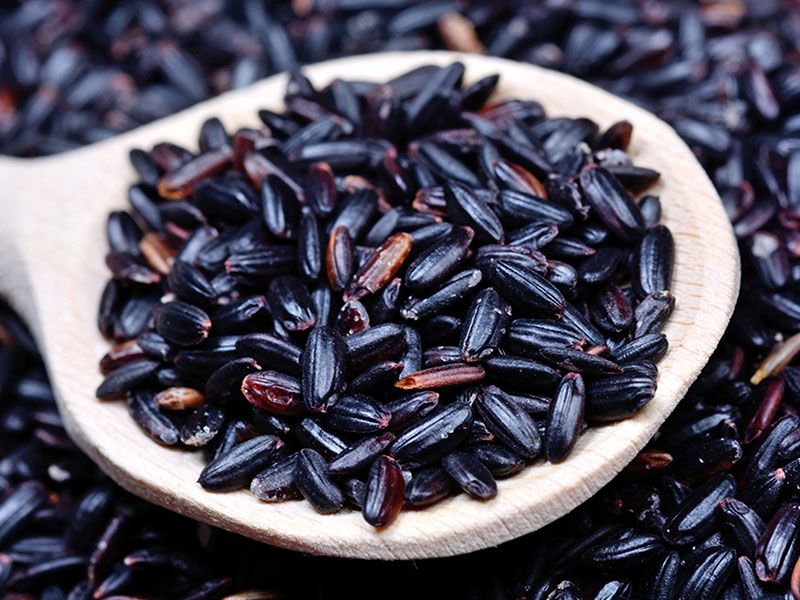
Soybean sprouts
Nuts
Nutrients
Fibre, Protein, Iron, Fat, Vitamin E and B12, Manganese, Magnesium, Copper, Vitamin B2 (Riboflavin), Phosphorus, Carbohydrates, Fibre, Potassium, Calcium, Zinc, Omega 3
Pregnancy
Almonds are safe for pregnant women if taken in moderation. Excessive intake of raw almonds has been linked in some reports to premature delivery. The fibre in nuts is essential for proper digestion while Vitamin E keeps skin and hair healthy. Other nutrients in almonds are required for proper brain functioning as well as maintaining the nervous system.
Postpartum
As there are so many nutrients packed into an almond, it’s an ideal food to have while you recover after childbirth. It is generally considered safe for women with no history of food allergies to eat common allergens such as nuts.
Breastfeeding
It is generally considered safe for women with no history of food allergies to eat common allergens such as nuts. Almonds when consumed fresh help in breast milk production. They can greatly enhance brain development and protect against heart disease for your newborn through the consumption of your breastmilk.
Baby
Almonds are not suitable for babies under the age of 11 months.
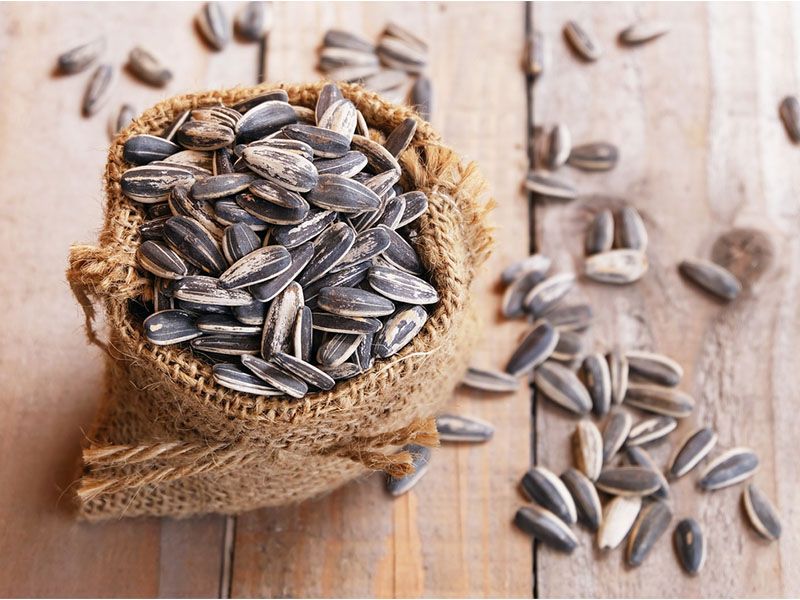
Sunflower seeds
Nuts
Nutrients
Fibre, Protein, Iron, Fat, Vitamin E and B12, Manganese, Magnesium, Copper, Vitamin B2 (Riboflavin), Phosphorus, Carbohydrates, Fibre, Potassium, Calcium, Zinc, Omega 3
Pregnancy
Almonds are safe for pregnant women if taken in moderation. Excessive intake of raw almonds has been linked in some reports to premature delivery. The fibre in nuts is essential for proper digestion while Vitamin E keeps skin and hair healthy. Other nutrients in almonds are required for proper brain functioning as well as maintaining the nervous system.
Postpartum
As there are so many nutrients packed into an almond, it’s an ideal food to have while you recover after childbirth. It is generally considered safe for women with no history of food allergies to eat common allergens such as nuts.
Breastfeeding
It is generally considered safe for women with no history of food allergies to eat common allergens such as nuts. Almonds when consumed fresh help in breast milk production. They can greatly enhance brain development and protect against heart disease for your newborn through the consumption of your breastmilk.
Baby
Almonds are not suitable for babies under the age of 11 months.
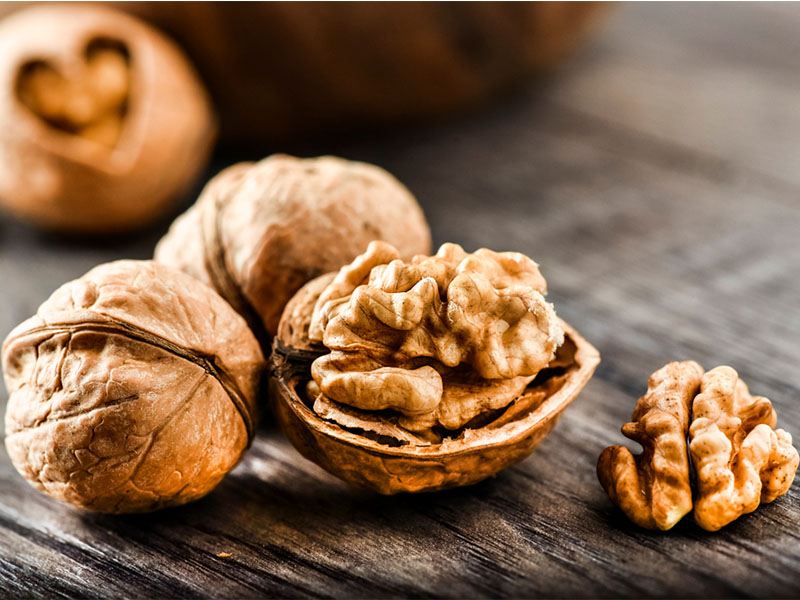
Walnuts
Nuts
Nutrients
Fibre, Protein, Iron, Fat, Vitamin E and B12, Manganese, Magnesium, Copper, Vitamin B2 (Riboflavin), Phosphorus, Carbohydrates, Fibre, Potassium, Calcium, Zinc, Omega 3
Pregnancy
Almonds are safe for pregnant women if taken in moderation. Excessive intake of raw almonds has been linked in some reports to premature delivery. The fibre in nuts is essential for proper digestion while Vitamin E keeps skin and hair healthy. Other nutrients in almonds are required for proper brain functioning as well as maintaining the nervous system.
Postpartum
As there are so many nutrients packed into an almond, it’s an ideal food to have while you recover after childbirth. It is generally considered safe for women with no history of food allergies to eat common allergens such as nuts.
Breastfeeding
It is generally considered safe for women with no history of food allergies to eat common allergens such as nuts. Almonds when consumed fresh help in breast milk production. They can greatly enhance brain development and protect against heart disease for your newborn through the consumption of your breastmilk.
Baby
Almonds are not suitable for babies under the age of 11 months.
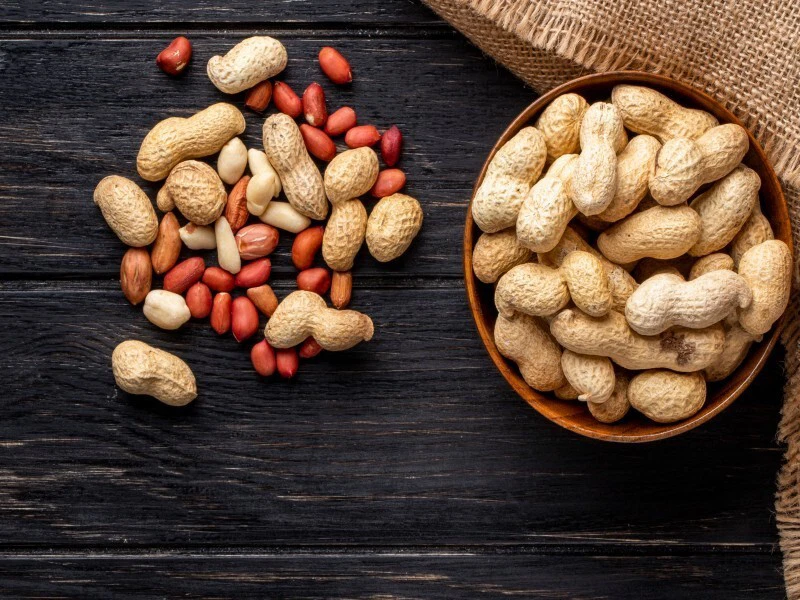
White peanuts
Nuts
Nutrients
Fibre, Protein, Iron, Fat, Vitamin E and B12, Manganese, Magnesium, Copper, Vitamin B2 (Riboflavin), Phosphorus, Carbohydrates, Fibre, Potassium, Calcium, Zinc, Omega 3
Pregnancy
Almonds are safe for pregnant women if taken in moderation. Excessive intake of raw almonds has been linked in some reports to premature delivery. The fibre in nuts is essential for proper digestion while Vitamin E keeps skin and hair healthy. Other nutrients in almonds are required for proper brain functioning as well as maintaining the nervous system.
Postpartum
As there are so many nutrients packed into an almond, it’s an ideal food to have while you recover after childbirth. It is generally considered safe for women with no history of food allergies to eat common allergens such as nuts.
Breastfeeding
It is generally considered safe for women with no history of food allergies to eat common allergens such as nuts. Almonds when consumed fresh help in breast milk production. They can greatly enhance brain development and protect against heart disease for your newborn through the consumption of your breastmilk.
Baby
Almonds are not suitable for babies under the age of 11 months.