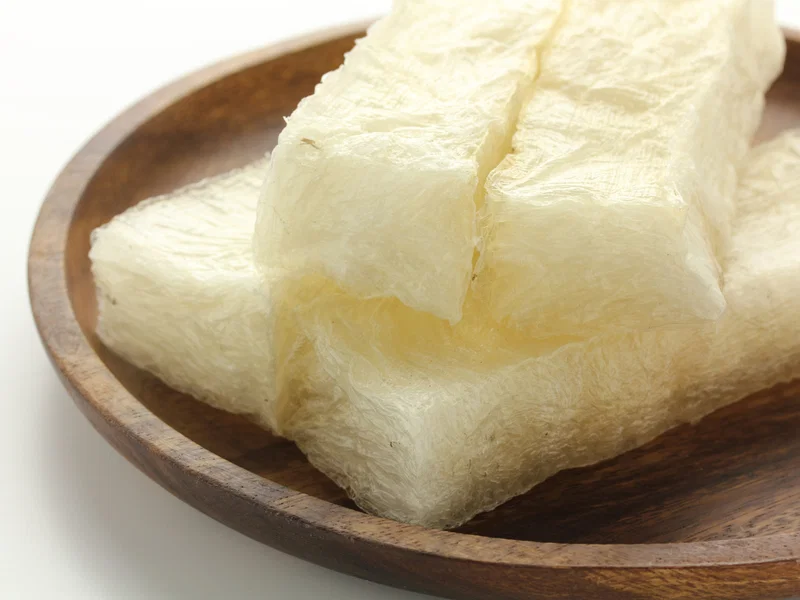
Agar-agar
Vegetables and Fungus
 Nutrients
Folate, Protein, Carotenoids, Vitamin B, Zinc, Vitamins, Minerals and Other nutrients
 Pregnancy
You can eat agar-agar while pregnant. It is a kind of algae, which can be also be made into jelly powder. It can help prevent neural tube deficiencies in your baby. Agar-agar can also help keep your blood pressure under check.
Postpartum
Mummies may eat agar-agar in the Selepas bersalin period. It can improve your immunity, and is a great cooling treat to eat when the weather is hot.
Breastfeeding
Breastfeeding mums, agar-agar is fine to eat. It promotes good health and helps ward off constipation.
Baby
Baby can eat agar-agar at around 9 months of age as it’s good for baby’s overall health.
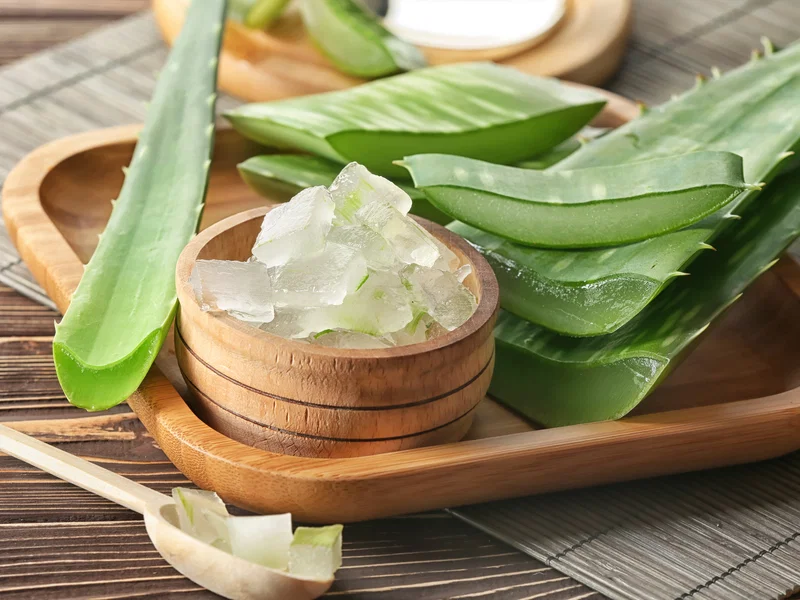
Aloe vera
Vegetables and Fungus
Nutrients
 Pregnancy
Pregnant women should avoid aloe vera. Alove vera can act as a uterine stimulant, meaning, it can cause early contractions and miscarriage. Aloe vera also contains anthraquinones, a strong purgative often used as a laxative.
Postpartum
It’s best you avoid aloe vera. This is because the compounds it contains act as a powerful laxative and may cause you digestive health issues.
Breastfeeding
It’s best to avoid consuming aloe vera while you are breastfeeding. It contains a powerful laxative and can create an electrolyte imbalance in the intestines. These compounds may pass in small quantities to your breast milk, and might upset your baby’s immature digestive system.
Baby
Baby can’t eat aloe vera, Mum. Your baby’s digestive system is not yet fully developed and eating aloe vera easily causes discomfort, such as abdominal pain and diarrhea.
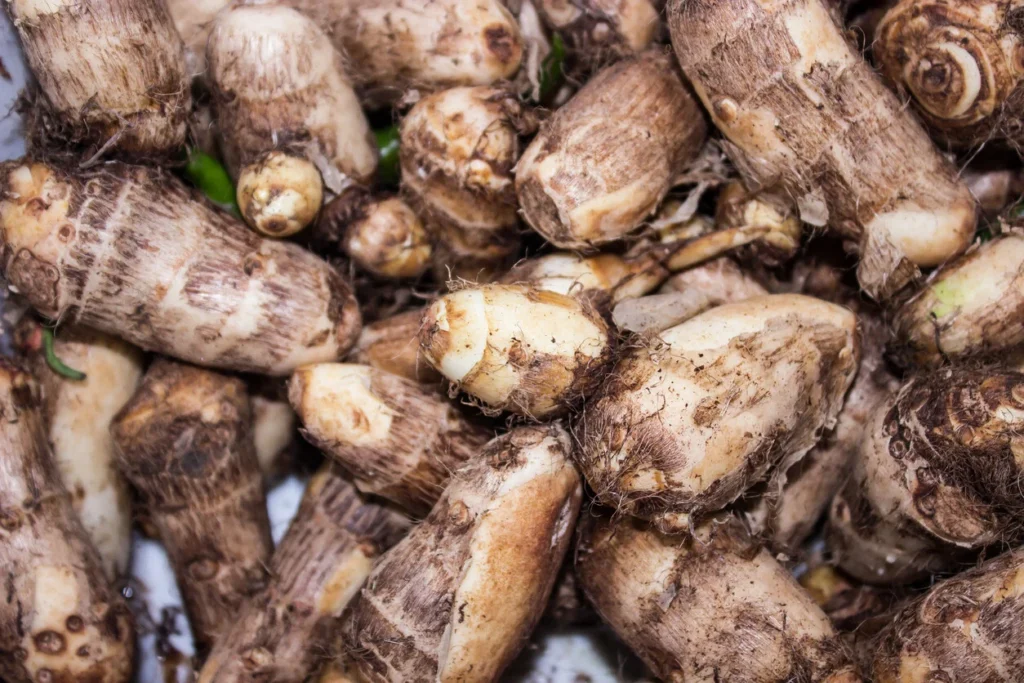
Arrowroot
Vegetables and Fungus
Nutrients
Calories, Carbs, Fiber, Protein, Fat, Folate, Phosphorus, Iron, Potassium
 Pregnancy
Arrowroot is safe during pregnancy when in moderate amounts. Arrowroot contains important nutrients. Folate substances contained in arrowroot help in baby’s brain growth. It also can be one alternative solution to overcome nausea. Arrowroot has many more benefits for pregnant women.
Postpartum
Arrowroot is safe for new moms when taken in small amounts. There isn’t enough reliable information to know if arrowroot is safe to use in the larger amounts found in medicine. Stay on the safe side and stick to food amounts.
Breastfeeding
Arrowroot is safe for breastfeeding women when taken by mouth in food amounts.
Baby
Arrowroot is enriched with vitamins that help in the production of fats, carbohydrates, and proteins in the baby’s body and easy to digest by newborn babies.
It is enriched with folates that help in synthesizing the cell division of the baby.
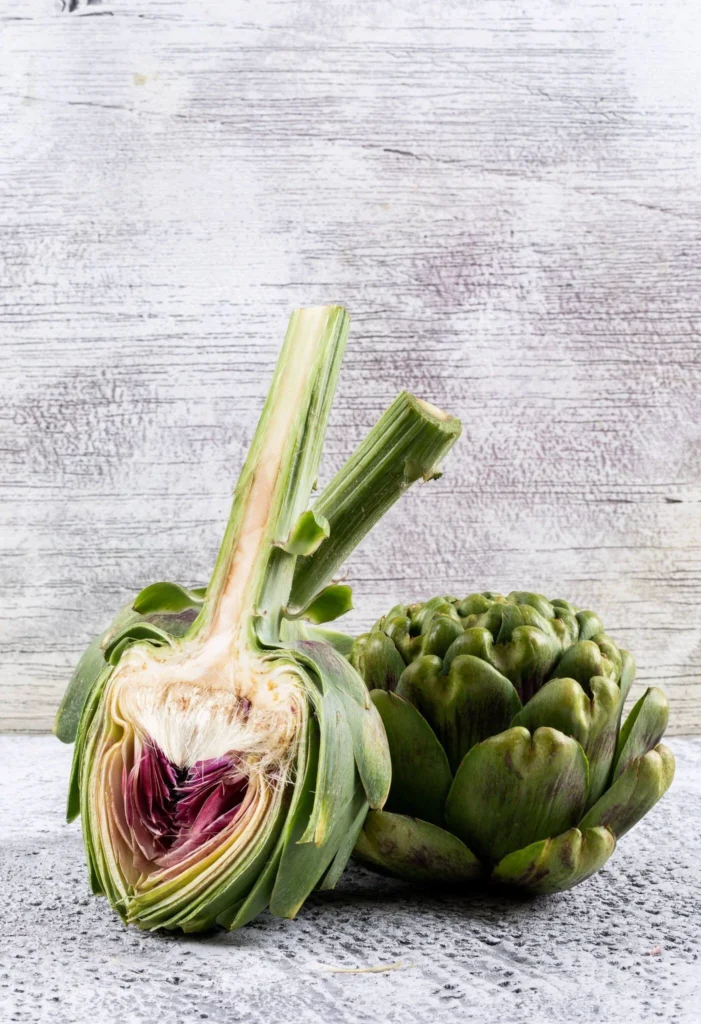
Artichoke
Vegetables and Fungus
Nutrients
Carbs, Fiber, Protein, Fat, Vitamin C, Vitamin K, Thiamine, Riboflavin, Niacin, Vitamin B6, Folate, Iron, Magnesium, Phosphorus, Potassium, Calcium, Zinc
Pregnancy
You can include super-healthy artichokes in your daily diet. It can supply choline to your body that aids in the healthy brain cell development of your baby. It also contains folate, fiber, magnesium which help you to have a healthy pregnancy.
Postpartum
It is not advisable to eat artichoke for new moms.
Breastfeeding
Artichokes and spicy food can change the taste of your milk. Some babies don’t like it and may refuse the breast.
Baby
Artichokes can be introduced as soon as your baby is ready to start solids. It is loaded with critical nutrients that developing babies need.
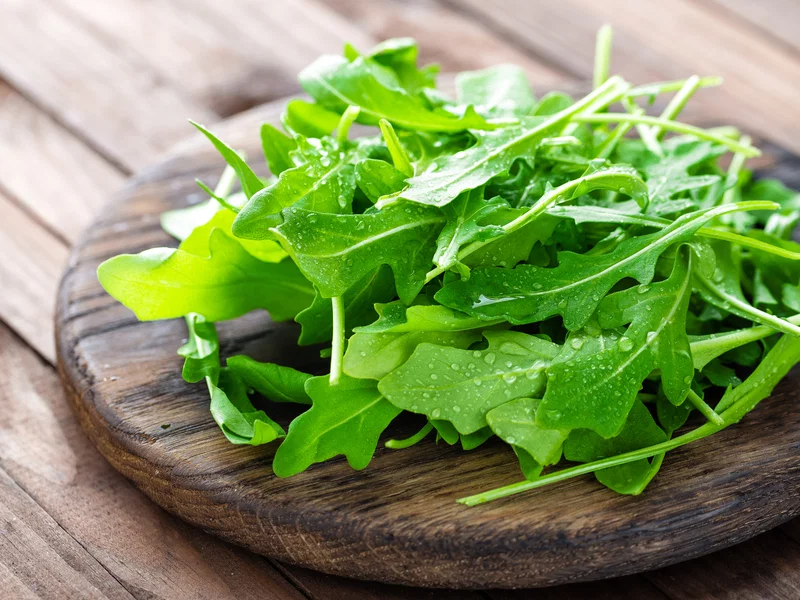
Arugula
Vegetables and Fungus
Nutrients
Vitamins A, C, K, Fibre, Folate, Calcium, Iron, Magnesium, Phosphorus, Potassium, Manganese, Glutamic acid, Leucine, Amino acids
Pregnancy
Arugula is safe to eat in pregnancy. It contains plenty of nutrients which contribute to good health and your baby’s development. Eating arugula is also beneficial to baby’s visual development.
Postpartum
Arugula is suitable to eat in the Selepas bersalin period. It is rich in nutrients and has anti-inflammatory effects, preventing disease, stimulating your appetite, and relieving Selepas bersalin constipation. Try eating an arugula and boiled egg salad.
Breastfeeding
Go ahead and eat lots of arugula, breastfeeding mummy. It has many nutrients and works to boost your milk supply.
Baby
You can introduce aurugula to your baby at around 6 months of age. It contains a variety of vitamins and amino acids that promote healthy development of baby’s bones, teeth and brain.
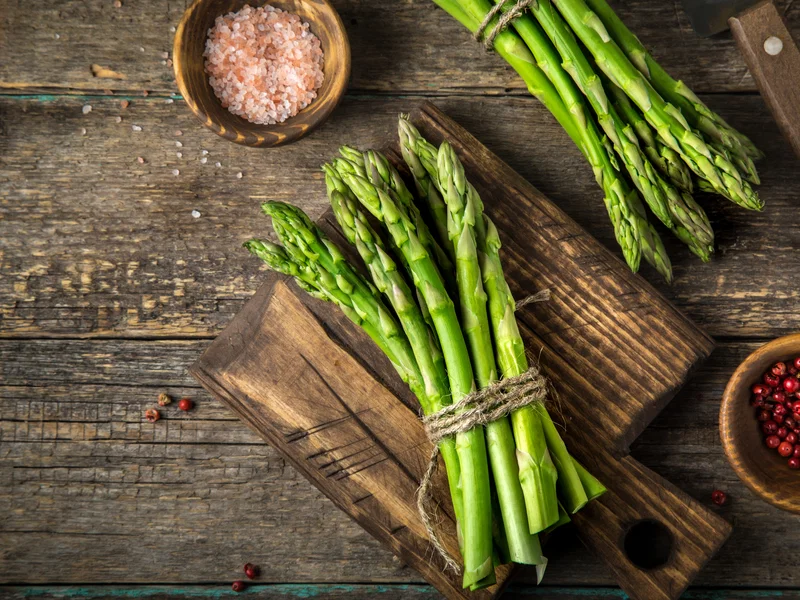
Asparagus
Vegetables and Fungus
Nutrients
Vitamins A, C, E, K, and B6, Folate, Iron, Copper, Calcium, Protein, Fibre
Pregnancy
Pregnant women can eat asparagus. It improves metabolism and help prevent anemia. In addition, the folic acid in asparagus contributes to baby’s proper brain health.
Postpartum
It’s okay to eat asparagus in the Selepas bersalin period. Full of important minerals, vitamins, and dietary fibre, this vegetable helps keep you healthy. It can also help relieve constipation. However, asparagus causes gas and bloating in some, so if you experience that, please limit the amount you eat.
Breastfeeding
Breastfeeding mums, while asparagus contributes to a healthy, balanced diet, it’s best to limit the amount you eat. Some mums believe it reduces the amount of milk they produce and others experience gas and bloating.
Baby
Your little one may eat asparagus in small quantities. Asparagus is rich in vitamins and cellulose, which help baby’s growth and development. However, it is not easy to digest so it’s best to introduce it when baby is a bit older, around 9 months of age.
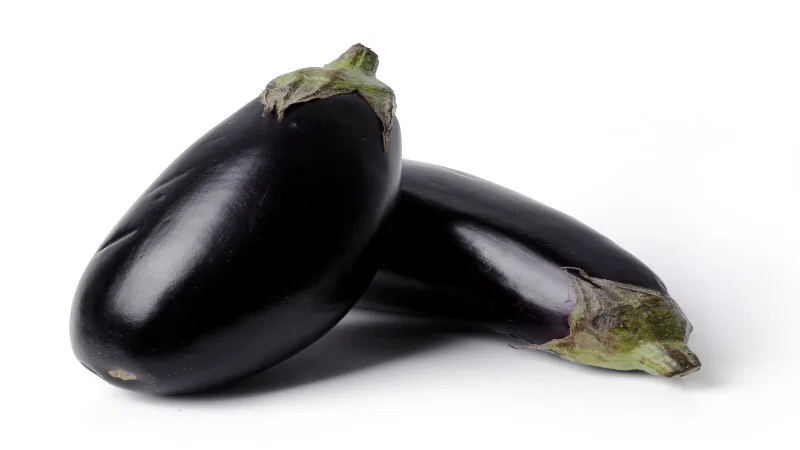
Aubergine
Vegetables and Fungus
Nutrients
Calories, Carbs, Fiber, Protein, Manganese, Folate, Potassium, Vitamin K, Vitamin C
Pregnancy
It is recommended for pregnant women due to its various health benefits. Aubergine helps in the development of the foetus as it provides vitamins like vitamin A and vitamin E. Aubergine also contains folic acid, which boosts the development of red blood cells in the developing foetus.
Postpartum
They can also cause high blood pressure as they have tyramine which is responsible for increasing blood pressure. They have very high level of potassium which disturbs the electrolyte balance and therefore is not safe for new moms.
Breastfeeding
Aubergines have nicotinic acid which is a modification of nicotine. They may have small amounts of nicotine, the same drug that is found in cigarettes and tobacco. Also, they have menstruation-promoting hormones which counter hormones needed for milk production.
 Baby
Baby
Aubergine may be introduced as soon as the baby is ready to start solids, which is generally around 6 months of age. While not a common first food, serving aubergine and other vegetables can introduce bitter tastes to a baby—an excellent way to develop a well-rounded palate!
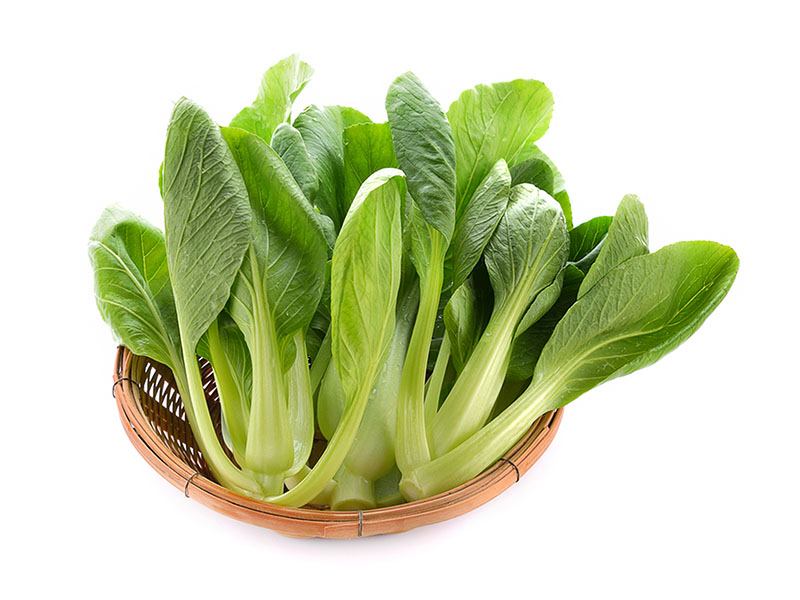
Baby Chinese cabbage
Vegetables and Fungus
Nutrients
Fibre, Calcium, Potassium, Folic Acid
Pregnancy
Pregnant mothers can eat baby Chinese cabbage, which is easy to digest. It can improve immunity and calcium absorption, which will also help baby’s bone development.
Postpartum
Postpartum mothers can eat baby Chinese cabbage. Pick tiny cabbages, they are supposed to be better in terms of nutrients.
Breastfeeding
You can eat baby Chinese cabbage during breastfeeding. The potassium in baby Chinese cabbage can reduce fatigue.
Baby
Weaned babies over 6 months old can eat baby Chinese cabbage. Since it is rich in calcium, it is good for bone and teeth development.
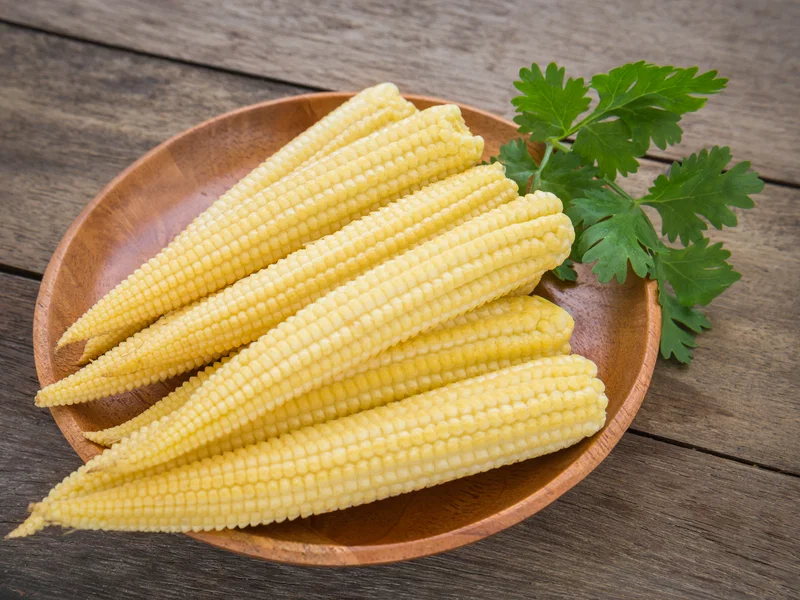
Baby corn
Vegetables and Fungus
Nutrients
Folate, Fibre, Vitamins B1, B5, and C, Protein, Amino Acids, Calcium, Phosphorus
Pregnancy
Mums-to-be, baby corn is fine for you to eat. A rich source of folate which can help prevent neural tube deficiencies in your baby, this vegetable can also ease digestion and improve your immunity to illnesses.
Postpartum
Go ahead and eat crunchy, yummy baby corn. The nutrients help replenish your strength and energy and the fibre assists good digestion.
Breastfeeding
Breastfeeding mummies can eat baby corn. For some mums, eating baby corn even increase breast milk production. The nutrients in this vegetable help keep your body nourished and healthy, so you can continue nursing your baby.
Baby
Your little one can eat baby corn when he/ she is ready for solids at around 6 months of age. Your little one is sure to love the sweet tase and crunchy texture too.
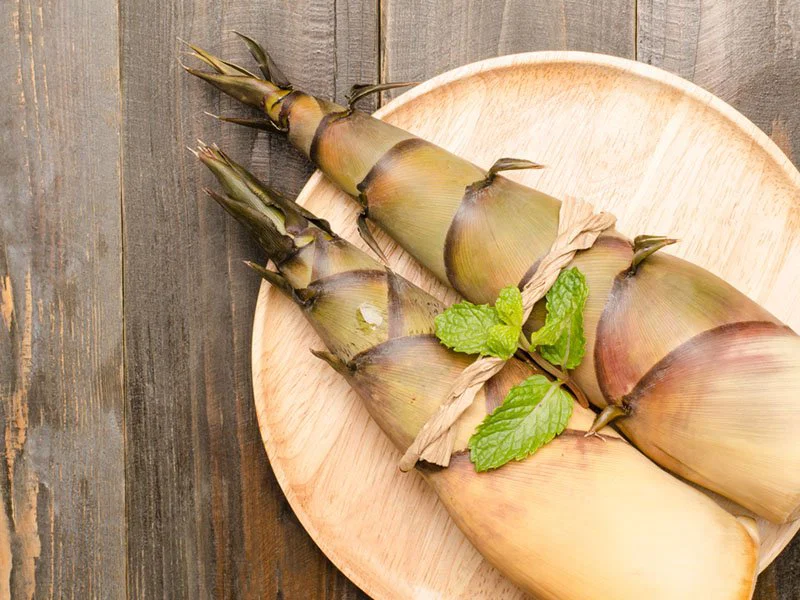
Bamboo shoots
Vegetables and Fungus
Nutrients
Fibre, Vitamin C, Vitamin B, Folate, Calcium, Magnesium, Phosphorus, Zinc, Copper, Manganese, Selenium, Potassium
Pregnancy
Bamboo shoots are safe during pregnancy. They can stimulate baby’s bone growth and physical development. The Vitamin B and C in bamboo shoots contribute to baby’s vision development. Bamboo shoots are low in calories, which can help control weight gain during pregnancy.
Postpartum
Postpartum mothers can eat bamboo shoots. The high fibre content in bamboo shoots helps eliminate constipation the vitamins and minerals can help heal your body faster, while protecting you from infection.
Breastfeeding
Breastfeeding mummies can enjoy bamboo shoots without worries. They are nutritious and can even increase milk production for some mums.
Baby
Bamboo shoots are great for antibacterial and antiviral effects in the body, so if your baby is weaned (6 months +), you can add this to his or her diet. However, be sure to cook them properly until they are soft to prevent choking.
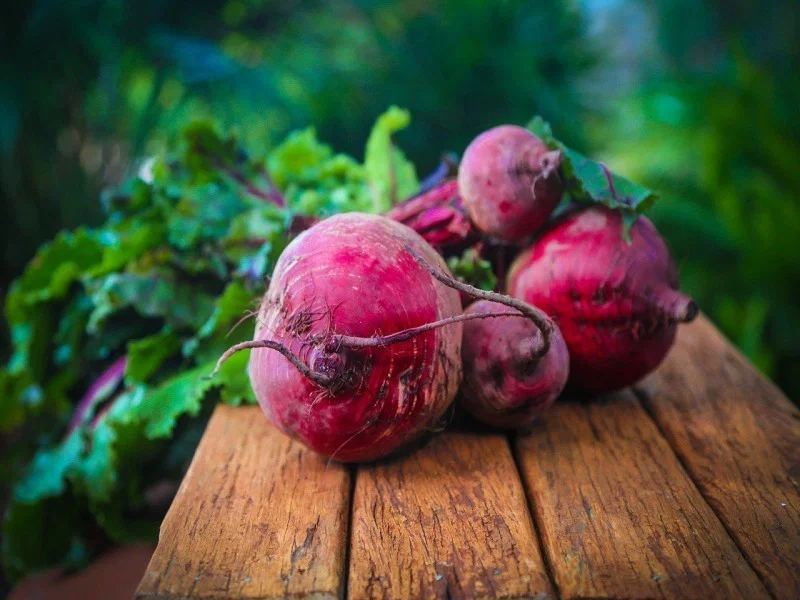
Beets
Vegetables and Fungus
Nutrients
Calories, Protein, Fat, Fiber, Vitamin C, Folate, Vitamin B6, Magnesium, Potassium, Phosphorous, Manganese, Iron
Pregnancy
Beets are packed with lots of vitamins and minerals. Beets are also high in fiber which helps ward off pregnancy constipation. Beets contain iron which helps to overcome iron deficiency.
Postpartum
Beets are packed with lots of vitamins and nutrients that contribute to improving your energy.
Breastfeeding
Beets are safe to eat during breastfeeding. It contains contains a lot of vitamins and trace elements.
Baby
Beets can be introduced as soon as your baby is ready to start solids. It contains B-vitamins, folate, and most minerals. Copper and vitamin C in beets helps to increase your baby’s absorption of iron.
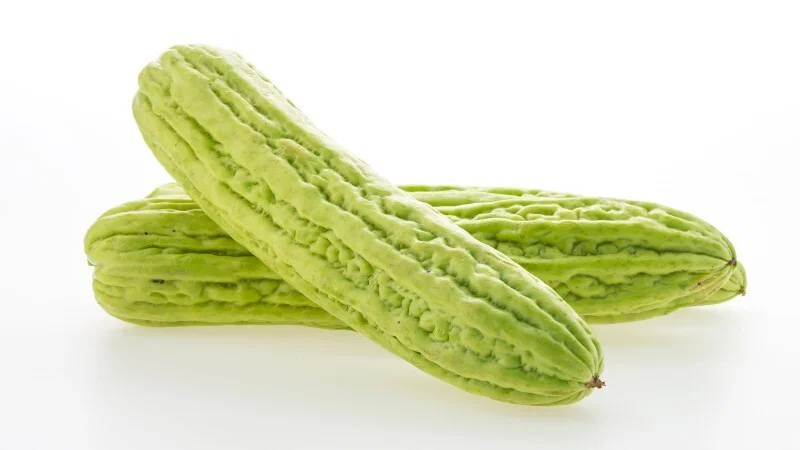
Bitter Melon
Vegetables and Fungus
Nutrients
Calories, Carbs, Fiber, Vitamin C, Vitamin A, Folate, Potassium, Zinc, Iron
Pregnancy
Bitter Melon is not recommended to consume during pregnancy, as its long-term effects on health have not been extensively studied.
Postpartum
Bitter Melon is not safe new mothers.
Breastfeeding
Not enough is known about the safety of using Bitter Melon during breast-feeding. Stay on the safe side and avoid use.
Baby
You can introduce your child to Bitter Melon as soon as he starts to eat solids. It contains vitamins and minerals which are crucial for healthy growth and development of your child.
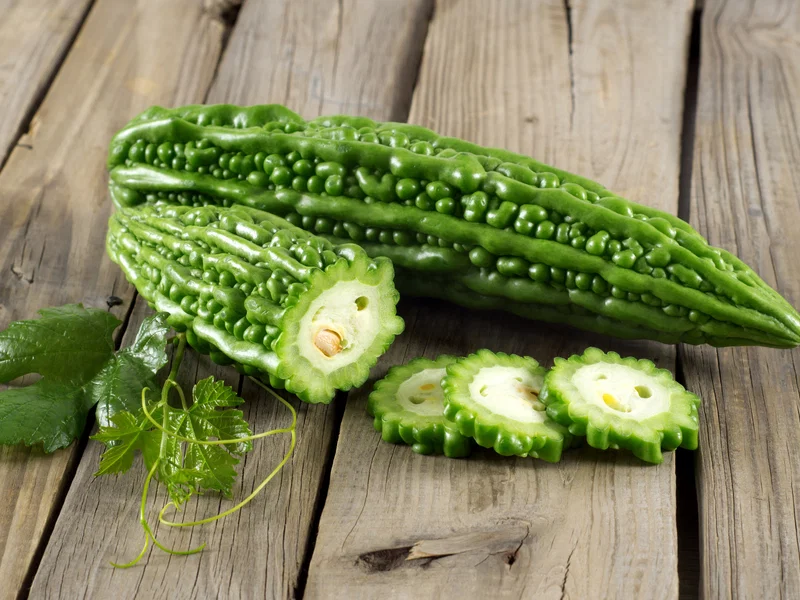
Bitter melon
Vegetables and Fungus
Nutrients
Iron, Magnesium, Potassium, Vitamin C, Dietary fibre, Calcium, Beta-carotene and Potassium
Pregnancy
Pregnant women can eat bitter melon, but with caution. It can lower your blood pressure quite a bit and may cause uterine contractions. Bitter melon is an amazingly nutritious vegetable that is good for you and your baby.
Postpartum
You can eat bitter melon during the Selepas bersalin month. Eating bitter melon may actually cause your uterus to contract more, helping to expel lochia. However, some mums experience digestive issues after consuming bitter melon so eat in moderation.
Breastfeeding
You can eat bitter melon while breastfeeding. It packs a power punch when it comes to nutrition, helping you stay healthy and fit. Bitter melon is also low in calories, and may help you lose weight.
Baby
Bitter melon is not suitable for babies under the age of 11 months.
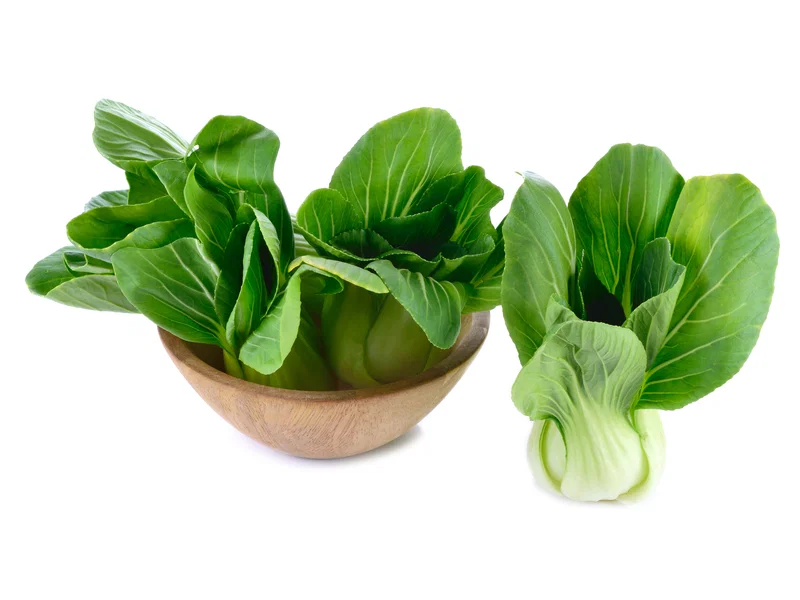
Bokchoy
Vegetables and Fungus
Nutrients
Fibre, Vitamin B6, K,C,A , Potassium, Folate, Iron, Manganese, Selenium
Pregnancy
Mum-to-be, go ahead and eat bokchoy. It enhances overall health, including digestion, and boosts immunity, while stimulating your baby’s development.
Postpartum
You can eat bokchoy during your Selepas bersalin period. The fibre soothes digestive issues and helps with your important, first bowel movement after giving birth.
Breastfeeding
Mums, do eat bokchoy while breastfeeding. Its nutrients ensure good heart, kidney and spleen health and give you the nourishment you need to breastfeed your baby.
Baby
Your baby can eat bokchoy at 6 months. Especially rich in vitamin A, bokchoy can help with your baby’s vision development.
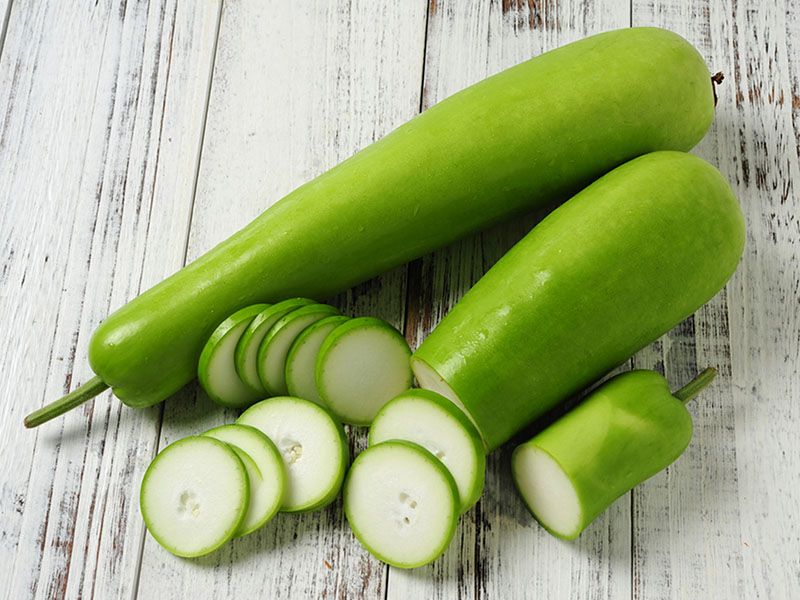
Bottle gourd
Vegetables and Fungus
Nutrients
Fibre, Vitamin C, Riboflavin, Zinc, Thiamine, Iron, Magnesium, Manganese
Pregnancy
Pregnant woman can eat bottle gourd safely. Bottle gourd is rich in nutrients and can also help relieve constipation. The low sugar content of bottle guard makes it a good food for pregnant women.
Postpartum
Bottle gourd is excellent for mums who have just given birth. It is rich in fibre, which improves digestion. Bottle gourd contains various nutrients that are beneficial to improve body’s immunity. The gourd is also rich in vitamin C that can improve virus resistance of postpartum mothers.
Breastfeeding
Bottle gourd has low sugar, making it an ideal food for breastfeeding mums. High in antioxidants and anticarcinogenic properties, it is a confirmed immunity booster.
Baby
Bottle gourd is a great first food for babies at around age 6 months old. Mild and tasty in flavour, this nutrient-packed food is an ideal ingredient for mashes and soups. Try it a few times a week.
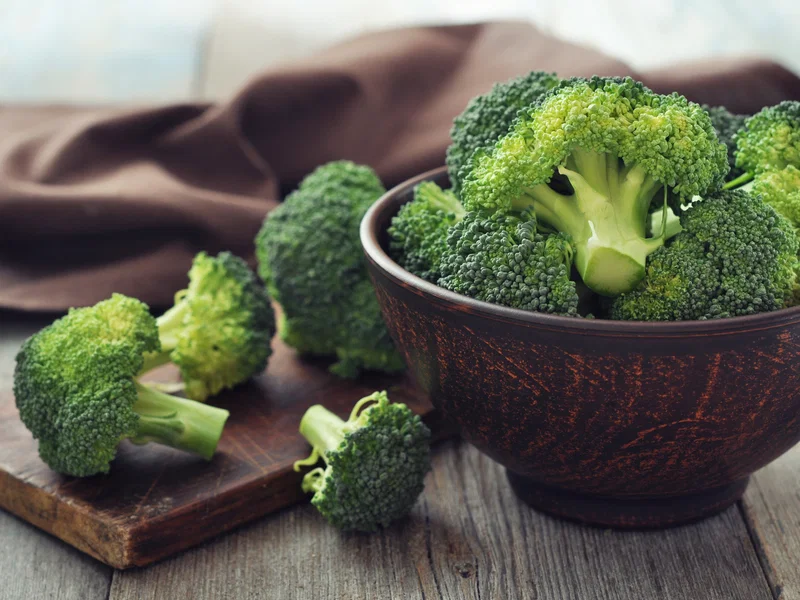
Broccoli
Vegetables and Fungus
Nutrients
Calcium, Iron, Potassium, Manganese, Zinc
Pregnancy
Broccoli is a superfood that is great for pregnancy. Eating broccoli can improve immunity and help prevent stretchmarks. It is good for baby’s bone, brain and physical development in the womb. Broccoli may contain pesticide residue, so before cooking it, separate the florets and soak in a solution of apple cider vingear and water.
Postpartum
You can definitely eat broccoli in your Selepas bersalin period. It is rich in nutrients and vitamins that can hasten Selepas bersalin recovery. It can also help reduce the appearance of stretchmarks and melasma.
Breastfeeding
Broccoli is rich in many nutrients that are good for your health. It is highly suitable for you to add to a balanced breastfeeding diet.
Baby
Give your baby broccoli when he/she starts solids at 6 months. This vegetable is beneficial to baby’s health, including teeth, bones and vision development.
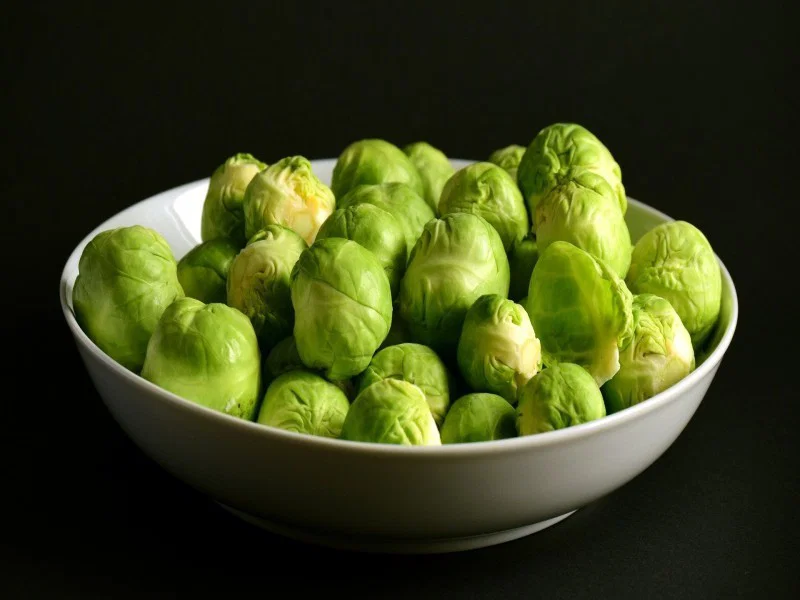
Brussel sprouts
Vegetables and Fungus
Nutrients
Calories, Protein, Carbs, Fiber, Vitamin K, Vitamin C, Vitamin A, Folate, Manganese
Pregnancy
Brussel sprouts is an important nutrient to get certain vitamins and minerals in your pregnancy diet. They are safe to eat while you’re pregnant as long as you prepare them properly.
Postpartum
Brussel sprouts is a healing food. It supports postpartum recovery. It also rich in Vitamin C.
Breastfeeding
It’s best to avoid eating brussels sprouts during breastfeeding. They may cause gassiness and discomfort in babies.
Baby
You can introduce brussels sprouts to babies as soon as they are ready to start solids. It is very high in vitamin K, which is key in helping blood to clot. Brussels sprouts are also a great source of folate and vitamins A and C.
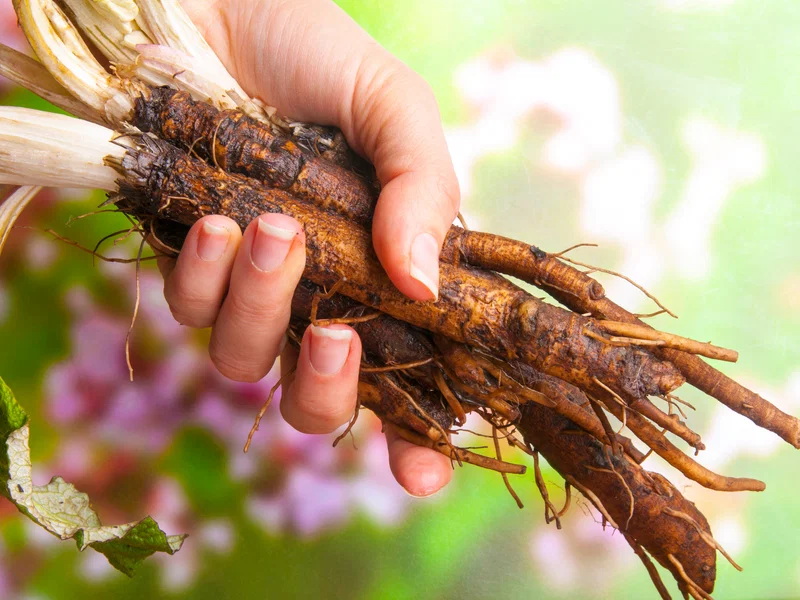
Burdock
Vegetables and Fungus
Nutrients
Amino acids, Proteins, Vitamins, Calcium, Phosphorus, Iron
Pregnancy
Mums-to-be, you should not eat burdock! Although burdock is rich in nutrients, it may cause uterine contractions which could lead to premature birth or miscarriage.
Postpartum
It’s okay to eat burdock in moderation during the Selepas bersalin period. It can help give your body strength, detoxify your system and keep blood pressure under control.
Breastfeeding
If you want to consume burdock, that’s fine, breastfeeding mummy. Its anti-inflammatory properties will help keep you healthy and strong so you can continue nursing. But some mums get digestion problems when they eat too much burdock, so it’s best to consume in moderation.
Baby
Burdock is not suitable for babies under the age of 11 months.
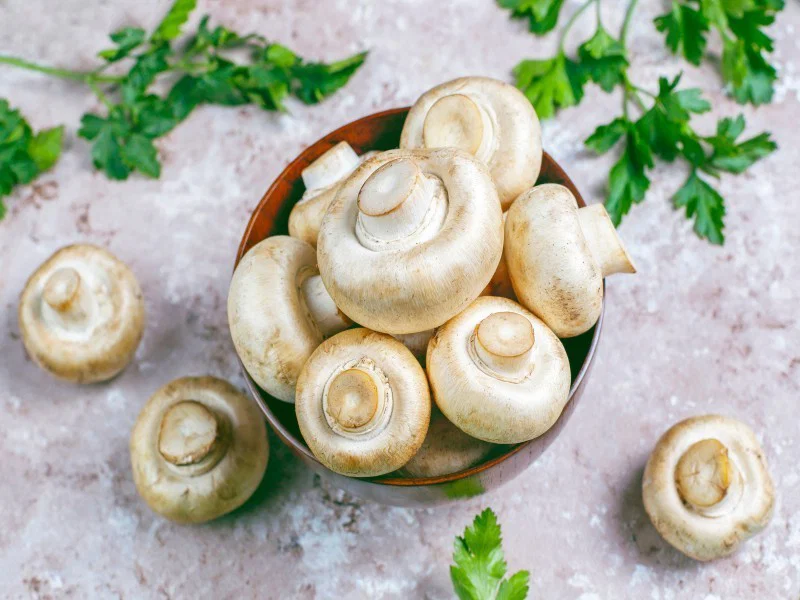
Button mushroom
Vegetables and Fungus
Nutrients
Calories, Carbs, Fiber, Protein, Fat, Vitamin D, Selenium, Phosphorus, Folate
Pregnancy
Button mushrooms are safe for pregnant women if cleaned and cooked first. They are a good source of antioxidants such as Vitamin C, Selenium and Choline.
Postpartum
Button mushrooms increase metabolism and help maintain blood sugar levels.
Breastfeeding
Button mushroom are safe if cooked thoroughly. They are are rich in a variety of nutrients. Mushrooms can be helpful to ease colic symptoms in baby.
Baby
Button mushrooms can be introduced as soon as a baby is ready to start solids(around 6 months of age). It would be wise to cook white button mushrooms before serving them to a child. They also contain most B vitamins, including folate to help fuel a baby’s cellular growth.
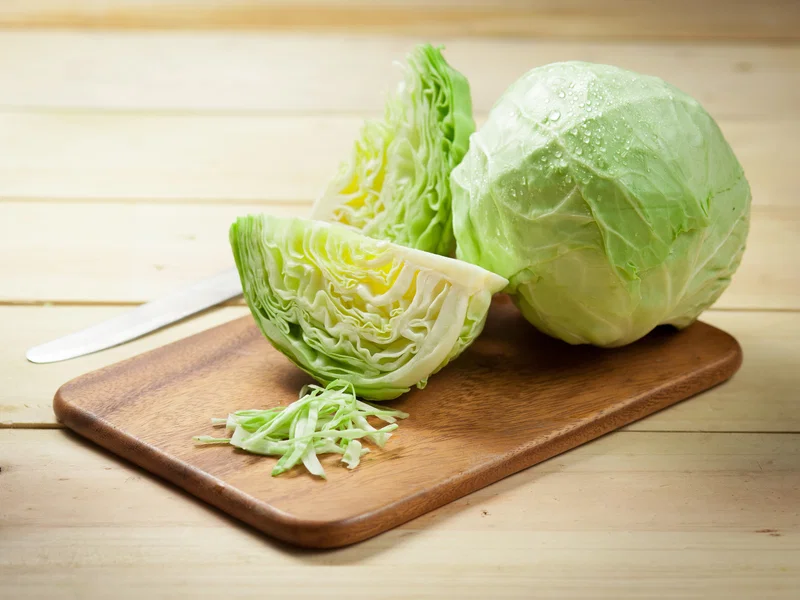
Cabbage
Vegetables and Fungus
Nutrients
Vitamin C, Folic acid, Potassium, Carotene, Vitamins, Phytoncide
Pregnancy
Pregnant women can eat cabbage and benefit from its vitamin C and folic acid content. It can boost your immunity and prevent foetal malformation.
Postpartum
Consuming cabbage can help boost your immunity and regulate your blood pressure. Don’t overcook cabbage to retain its nutrient content.
Breastfeeding
Breastfeeding mothers can eat cabbage. It is rich in phytoncide, which helps nursing mummies improve their disease resistance, preventing colds and other infections. Eat in small quantities only or avoid if you find it reduces your breast milk supply.
Baby
Your little one can eat cabbage after 6 months of age. The nutrients in cabbage stimulate your baby’s bone and brain development, improve vision, and strengthen the baby’s immunity.
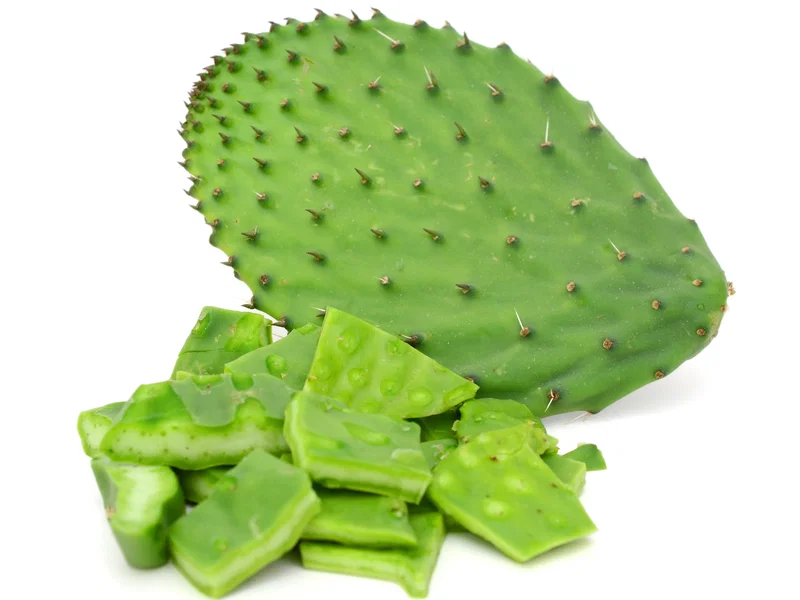
Cactus
Vegetables and Fungus
Nutrients
Fibre, Vitamin B2
Pregnancy
Cactus is big no-no for mums-to-be to eat. Consuming this plant can cause strong uterine contractions which might lead to miscarriage or premature birth.
Postpartum
New mummies should avoid consuming cactus. Some people have strong allergic reactions to it and even though it contains fibre, there are safer source of fibre for you to eat.
Breastfeeding
Breastfeeding mummies should avoid eating cactus. It often causes discomfort such as abdominal pain and diarrhea and can have an effect on your baby too via your breastmilk.
Baby
Don’t give your baby cactus to eat. It can be highly allergenic and can cause digestive issues in little ones.
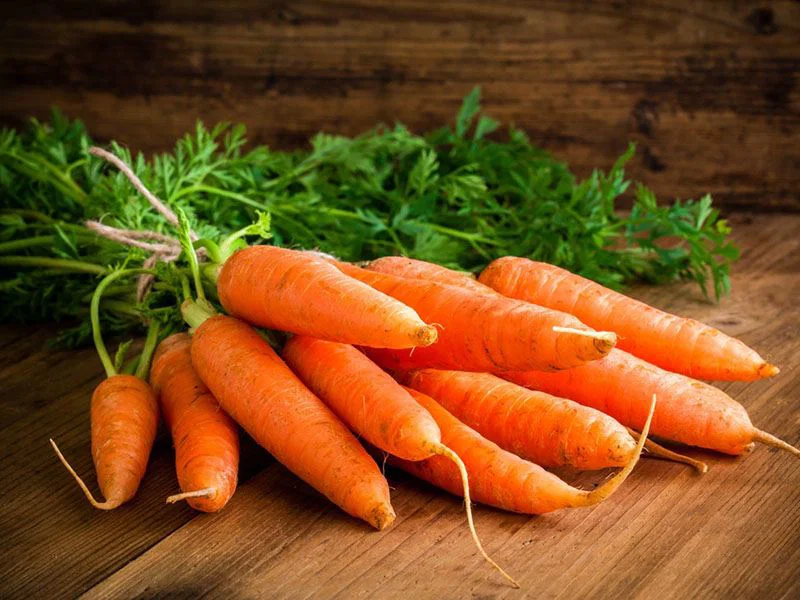
Carrot
Vegetables and Fungus
Nutrients
Beta-Carotene, Fiber, Calcium, Vitamin A, C, and K, Potassium, Antioxidants
Pregnancy
Carrots have immense health benefits for you during pregnancy. Very high in antioxidant, carrots can help reduce the risks of cancer and cardiovascular disease. These root vegetables can be eaten both raw and cooked.
Postpartum
Carrots are great food choice especially during this healing period. This ‘beauty food’ promotes and stimulates cell division, regenerates collagen and maintains oil production in the body to slow down the skin’s ageing process and eyesight deterioration.
Breastfeeding
Carrots promote milk production for some mums. It also helps protect against cancer. The vitamin A in carrots also helps prevent vision loss.
Baby
Carrots may be introduced between 6 and 8 months of age, as they are easy to digest. Carrots are best for your growing baby’s eyesight.
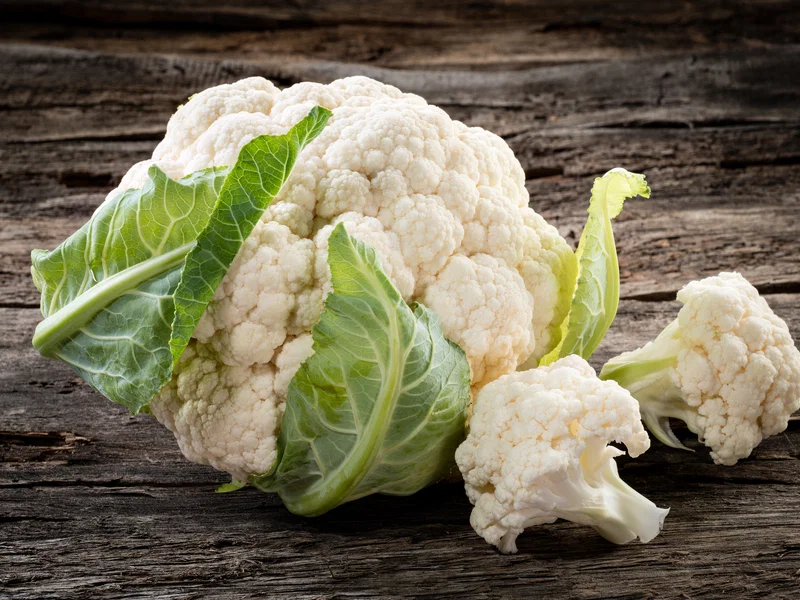
Cauliflower
Vegetables and Fungus
Nutrients
Vitamin C, Vitamin K, Vitamin B6, Folate, Potassium, Manganese, Flavonoids
Pregnancy
Cauliflower is safe to eat during pregnancy. It nourishes the body, and also stimulates baby’s visual and intellectual development and immunity. Before cooking cauliflower, soak it in a weak solution of salt water, or apple cider vinegar and water, to remove pesticide residue.
Postpartum
Mums can eat cauliflower during the Selepas bersalin period. Its nutrients help prevent infection, eliminate toxins from your body and enhance resistance to illness. Before cooking, remember to soak cauliflower in a solution of salt water, or apple cider vinegar and water, to remove pesticide residue.
Breastfeeding
You may eat cauliflower during breastfeeding. It improves overall health and immunity. And when a breastfeeding mum is healthy, so is her baby!
Baby
Your baby can eat cauliflower once he/she is ready for solids, after 6 months of age. Babies love the mild, delicious taste of this vegetable which contains a variety of nutrients that are excellent for your baby’s health.
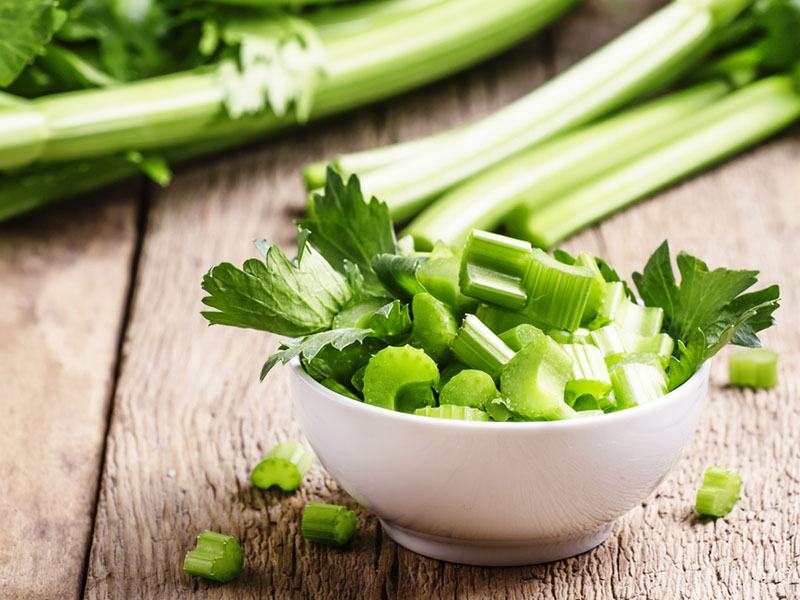
Celery
Vegetables and Fungus
Nutrients
Iron, Fibre, Vitamin A, Vitamin B1, Calcium, Iron
Pregnancy
Celery is safe for consumption during pregnancy. It is packed with fibre and other nutrients, which will help you with your digestion and overall health and immunity.
Postpartum
Of course, you can eat celery after giving birth. Celery is rich in iron and crude fibre that will help you get on your feet faster and prevent constipation. Just wash it properly before consuming if you’re planning to eat it raw.
Breastfeeding
You can eat celery while nursing. It is an ideal snack to munch on for those hunger pangs you get when you are breastfeeding and the high fibre content will prevent constipation.
Baby
The high fibre content in celery ensure good digestive health in babies ready for solids. Packed with nutrients, celery also contributes to baby’s good health. Avoid giving it raw as the fibres may be hard for baby to munch.
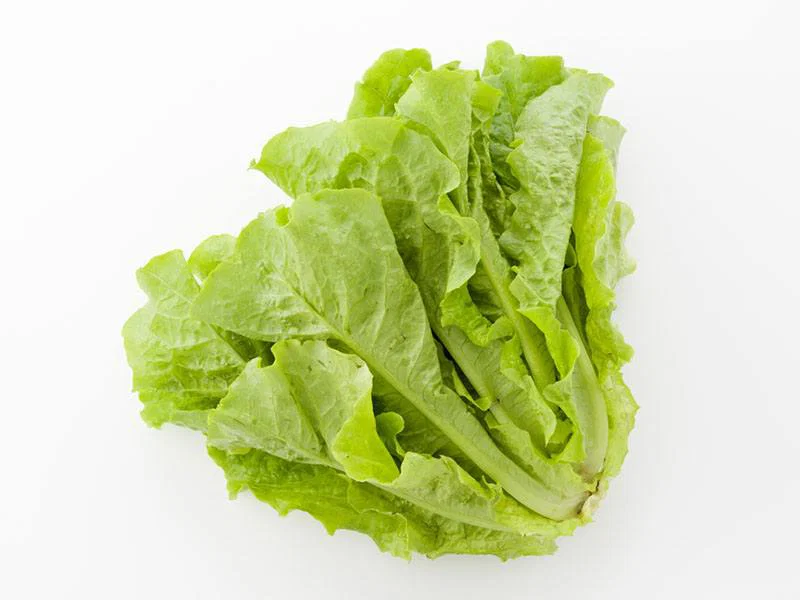
Celtuce
Vegetables and Fungus
Nutrients
Iron, Calcium, Magnesium, Protein, Fibre, Phosphorus, Potassium, Folate, Vitamin A. C and B
Pregnancy
Celtuce is great for you to eat, mum-to-be! With the ability to prevent constipation, celtuce will nourish both you and your baby, and help prevent birth defects like spina bifida.
Postpartum
You can eat celtuce after childbirth! Celtuce plays a key role in boosting the immunity of new mothers and can prevent painful postpartum constipation.
Breastfeeding
Celtuce is a great vegetable for you to eat during breastfeeding, as it provides good nutrition and improves immunity.
Baby
Your baby can eat celtuce after 6 months of age. Celtuce is good for baby’s bones, brain and teeth development, and digestion.
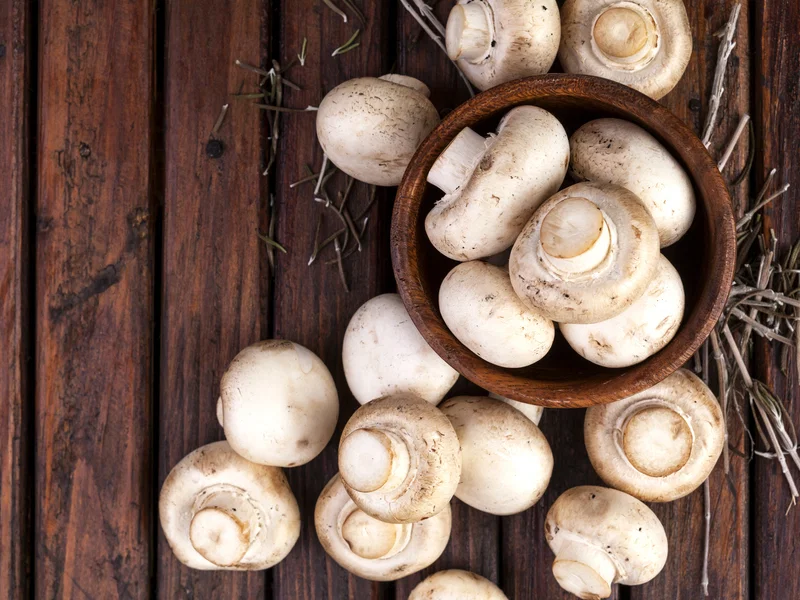
Champignon mushroom
Vegetables and Fungus
Nutrients
Vitamin C, Protein, Calcium, Iron, Zinc, Calcium, Potassium, Amino Acids
Pregnancy
Mums-to-be can eat champignon mushrooms. The nutrients it contains can boost overall health, while controling blood pressure and blood lipids, and improving immunity. Don’t soak champignon mushrooms in water so that you preserve its nutrients.
Postpartum
You can eat champignon mushrooms after giving birth. Its nutrients can help with wound healing as well as help ease Selepas bersalin weakness, anemia, and prevent illnesses.
Breastfeeding
Breastfeeding mums, go ahead and eat champignon mushrooms. With 17 kinds of amino acids, eating these definitely give you a boost of energy and health.
Baby
Your baby can eat champignon mushrooms when he/she is ready for solids at around 6 months of age. These mushrooms are rich in a variety of amino acids and high-quality protein, that can promote baby’s growth and development and improve baby’s immunity. In addition, this mushroom also may help baby eliminate toxins more effectively.
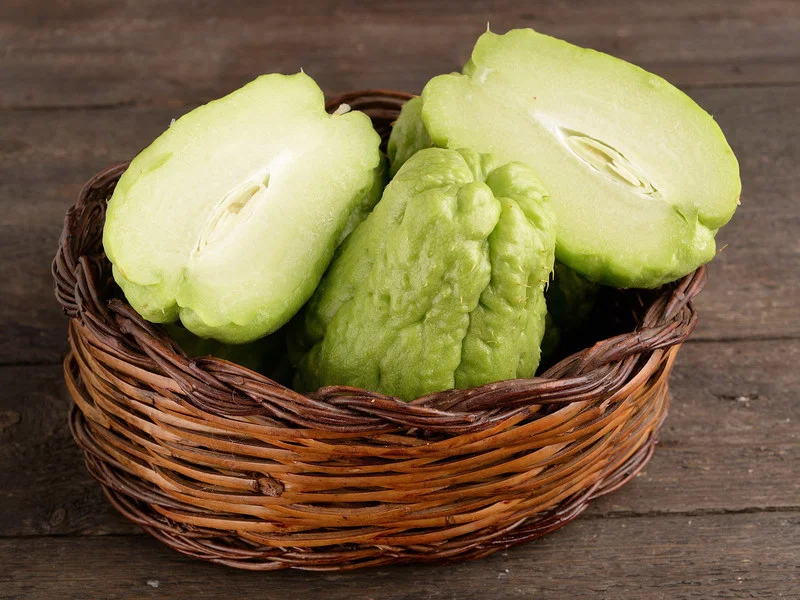
Chayote
Vegetables and Fungus
Nutrients
Vitamin C, Protein, Potassium, Calcium, Zinc, Folic acid, Niacin, Carotene, Riboflavin, Copper, Magnesium
Pregnancy
Yes, you can eat chayote during pregnancy. Eating chayote may help soothe digestion issues, prevent pregnancy-induced hypertension and boost immunity. Additionally, the nutrients it contains can aid baby’s bone development.
Postpartum
Mums can eat chayote during the Selepas bersalin period. Nutrient packed, it will help you feel stronger, faster, is good for liver health and can help control blood pressure.
Breastfeeding
Breastfeeding mothers can eat chayote either raw, or cooked. Keep a bowl with cubes or slices of chayote near you while you breastfeed as a healthy snack. Remember to check if the fruit is tender.
Baby
Babies over 6 months can eat chayote. This fruit is tender and sweet and is packed full of nutrients for baby’s good health and development.
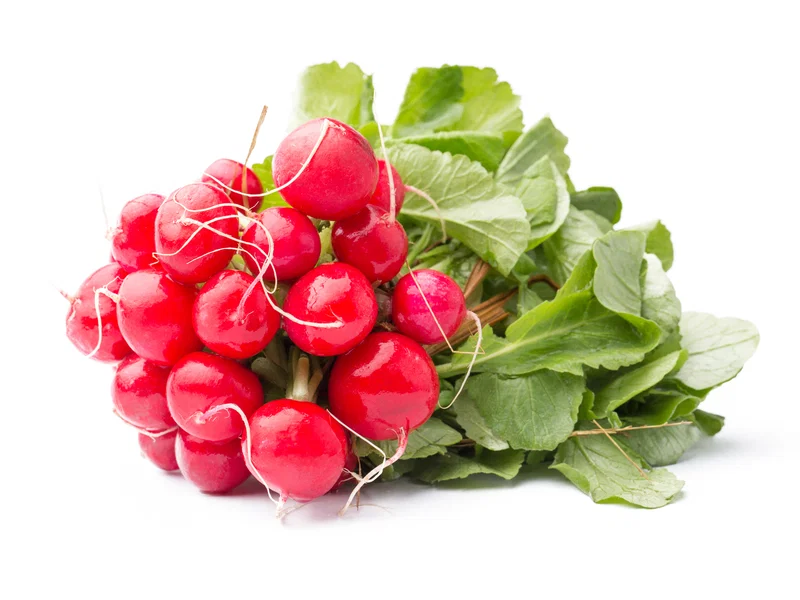
Cherry radish
Vegetables and Fungus
Nutrients
Vitamin C, Folate, Minerals, Vitamins, Amylase, Glucose, Oxidase adenine, Glycogen, Choline
Pregnancy
Mum-to-be, it’s okay to eat cherry radish, but in small quantities and not in the first trimester. Cherry radish is usually eaten raw in salads, and therefore poses a slight risk of food poisoning if you don’t wash them properly before eating. However, once you pass the 3-month mark, go ahead and eat this crisp, refreshing vegetable.
Postpartum
You can eat cherry radish after childbirth, mummy. Cherry radish helps boost your immune system. This vegetable is also rich in dietary fibre, which can promote healthy bowel movements and prevent Selepas bersalin constipation. Just remember to wash it well before eating.
Breastfeeding
It’s fine to eat cherry radish while breastfeeding. Cherry radish contains variety of amino acids and minerals which can help stimulate digestion. It’s also a good source of dietary fibre and vitamins.
Baby
Your baby can eat cherry radish at around 10 months old, when his or her digestive system matures a bit as the high fibre content may cause very loose stools. It will provide your baby with a very rich source of vitamin C, which is great also for calcium absorption. Just remember to wash it very well before eating.
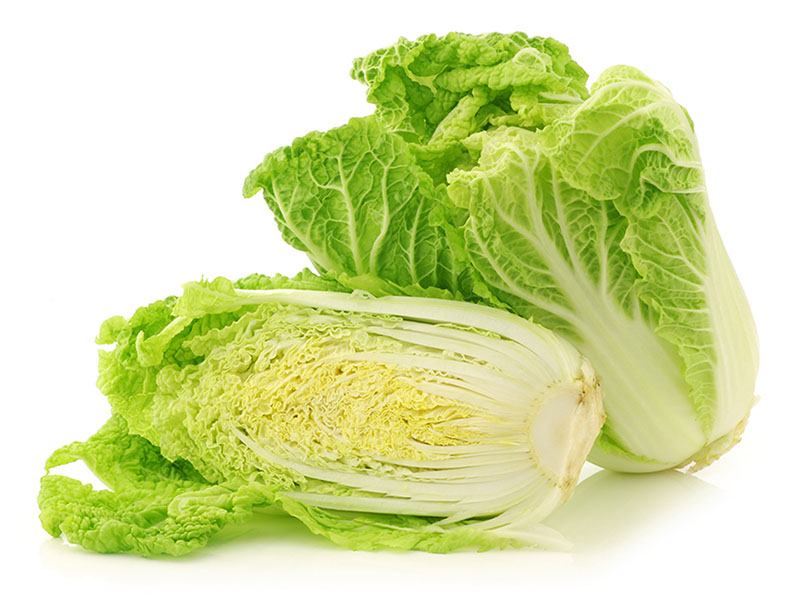
Chinese cabbage
Vegetables and Fungus
Nutrients
Vitamin K, Vitamin C, Vitamin B1, B2, B6, Calcium, Phosphorus, Iron, Manganese, Carotenoids, Fibre
Pregnancy
Eating Chinese cabbage during pregnancy can boost your immunity, improve your baby’s bone development, and prevent anemia. Chinese cabbage also contains a lot of crude fibre which can helps in digestion and preventing constipation.
Postpartum
Postpartum mothers can eat Chinese cabbage. It can improve digestion and improve skin texture.
Breastfeeding
Of course, you can also eat Chinese cabbage during breastfeeding. It is good for breastfeeding mothers and helps improve your baby’s immunity through breast milk.
Baby
Your baby can eat Chinese cabbage! The nutrients in Chinese cabbage can improve your baby’s immunity and vision development.
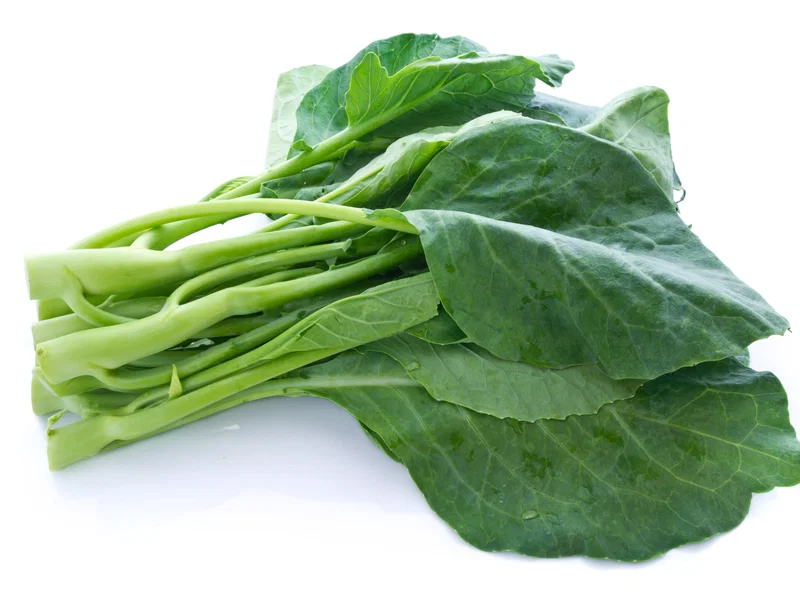
Chinese kale ( gai lan )
Vegetables and Fungus
Nutrients
Vitamin C, Calcium, Iron, Protein, Carotene
Pregnancy
Mums-to-be, you can eat Chinese kale. It can help reduce inflammation and detoxify your body. The nutrients are also good for your developing baby’s overall health.
Postpartum
Chinese kale is rich in nutriends and new mums should eat it to help with faster Selepas bersalin recovery.
Breastfeeding
Nursing mums, you can eat Chinese kale. The nutrients it contains help keep your cholesterol levels healthy, relieve constipation and improve your blood flow. It is also known to prevent cancer, lower cholesterol, soften blood vessels, and relieve constipation. However, some mums might find that eating a lot of Chinese kale reduces their milk supply. If this happens to you, reduce the amount you eat.
Baby
Your little one can eat Chinese kale at around 6 months of age. It can help improve baby’s eyesight, boosts immunity and the dietary fibre can help prevent constipation. Make sure you wash the the leaves well before cooking.
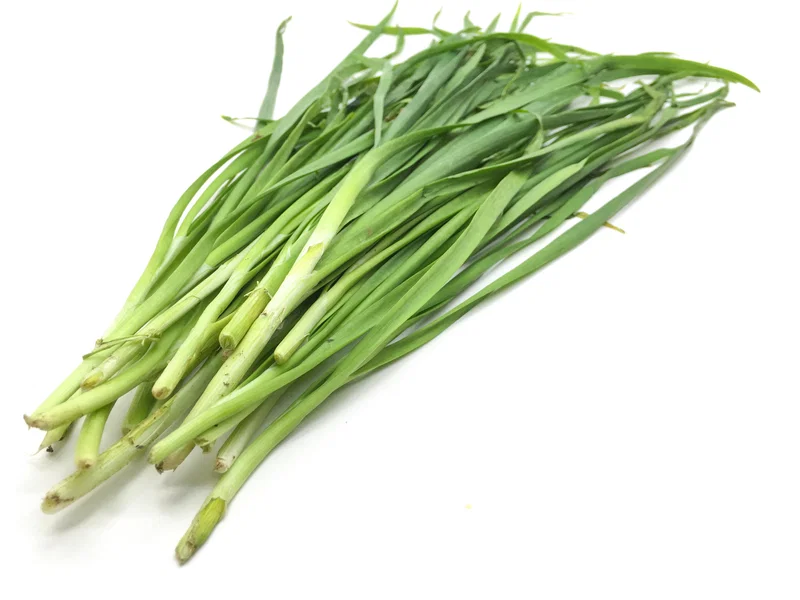
Chinese leek
Vegetables and Fungus
Nutrients
Vitamin C and A, Protein, Phosporous, Iron, Calcium and Some fibre
Pregnancy
You can eat Chinese leeks, mums-to-be. These help boost your immune system, reduce the appearance of stretchmarks, regulate your blood sugar and contribute to your baby’s healthy growth. Don’t eat them raw, and wash them well before eating.
Postpartum
Chinese leeks are good for you to eat in the Selepas bersalin period. It can help prevent Selepas bersalin constipation and promotes faster Selepas bersalin recovery. Remember not to eat them raw, and wash well before cooking.
Breastfeeding
Breastfeeding mums, it’s perfectly fine for you to eat Chinese leeks as it helps boost your immunity and are a great addition to a balanced and healthy breastfeeding diet.
Baby
Chinese leeks are not suitable for babies under the age of 11 months.
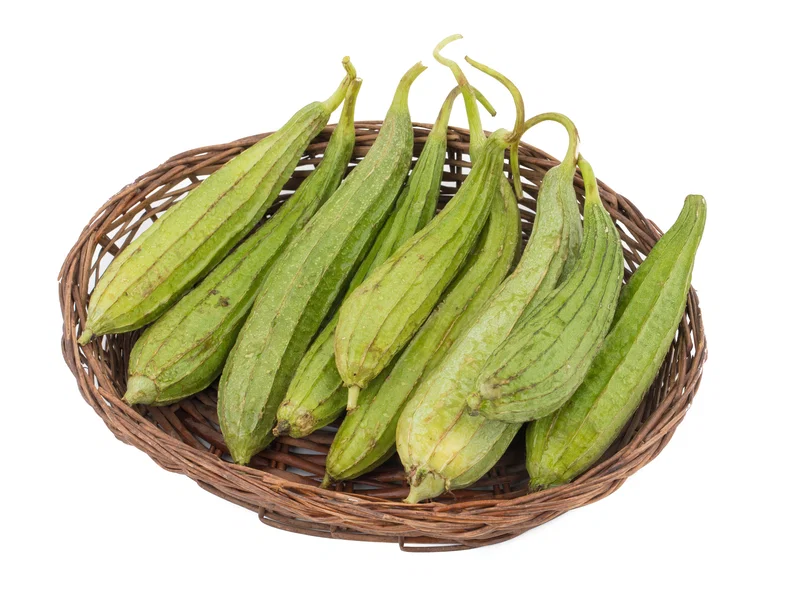
Chinese okra
Vegetables and Fungus
Nutrients
Protein, Vitamins B and C, Folic acid, Calcium, Cellulose, Phosphorus, and Iron
Pregnancy
You can eat Chinese okra, mums-to-be. It helps improve your immunity and prevent foetal deformity. Moreover, Chinese okra is rich in vitamin B and C, which can help reduce the appearance of pigmentation, stretchmarks and other skin issues. But, some people experience diarrhea, abdominal pain and other discomforts after eating it, so eat with caution.
Postpartum
Although Chinese okra is rich in nutrients, some mums experience abdominal pain, diarrhea and other discomforts, after eating it. So consume in moderation if you too have this reaction. However, if there is no such problem, eating Chinese okra is good for reducing stretch marks, pregnancy spots, and improving immunity.
Breastfeeding
Chinese okra is rich in nutrients making it a good food for breastfeeding mums. But some mums experience diarrhea, abdominal pain and other discomforts after eating it. If this happens to you too, reduce the amount you eat.
Baby
Chinese okra tastes sweet and is nutritious, providing baby with essential nutrients like protein, vitamins and carotenoids needed for growth and immunity. Introduce it in small quantities once baby’s digestive system has matured a bit, at around 9 months of age.
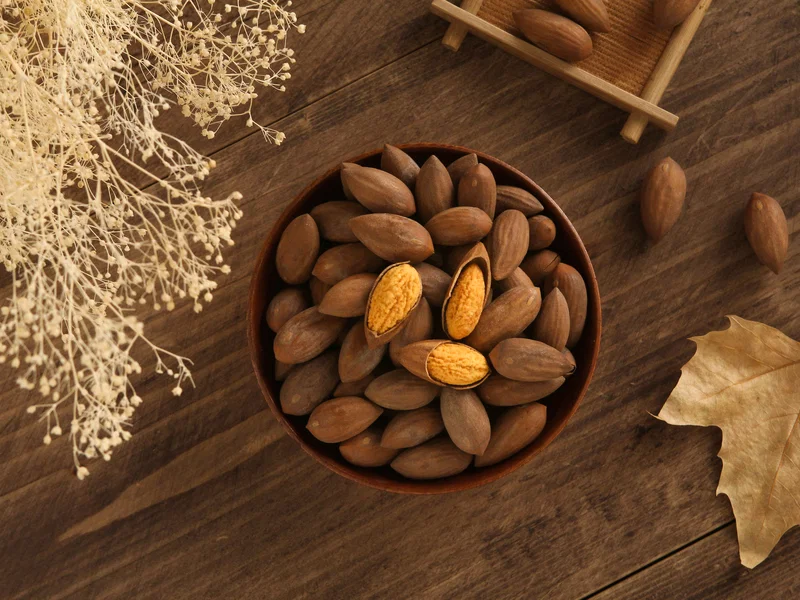
Chinese torreya
Vegetables and Fungus
Nutrients
Vitamin A and E
Pregnancy
Torreya seeds effectively kills intestinal parasites. It is therefore not recommended for expectant mothers, especially during early pregnancy or the third trimester, as it may stimulate contractions.
Postpartum
You can eat Chinese torreya after childbirth. It is known help moisturise skin and prevent obesity. It helps prevent obesity and relieve dry eyes and night blindness. It is also known to help treat diarrhea, stomachache and other intestinal diseases, and it is an effective analgesic.
Breastfeeding
BreastfeedingTorreya is not advisable for breastfeeding mums as it is believed to reduce breast milk supply.
Baby
Chinese torreya is not suitable for babies under the age of 11 months.
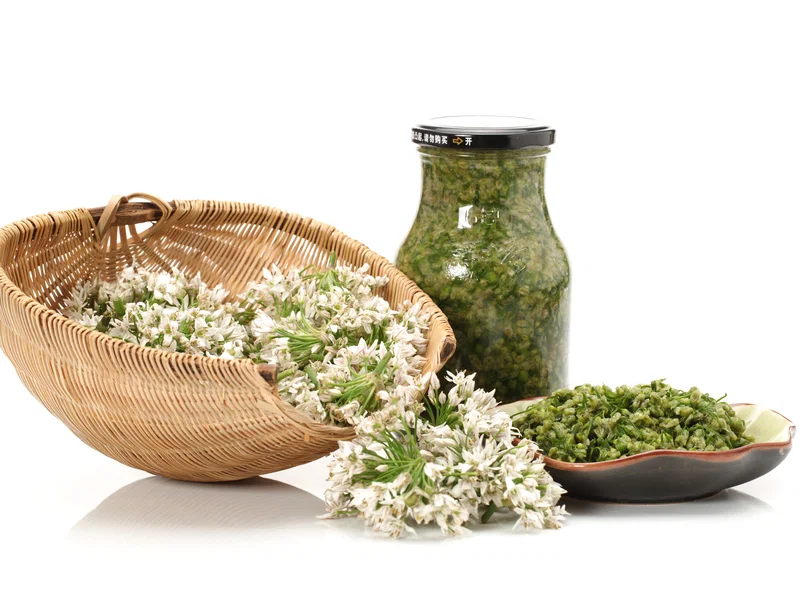
Chives flower
Vegetables and Fungus
Nutrients
Calcium, Phosphorus, Iron, Carotene, Dietary fibre and Other nutrients
Pregnancy
You can eat chives flowers, mums-to-be. It helps keep your bones healthy and contributes to your baby’s overall development. Some women experience stomach discomfort when they eat too much chives flowers. If this happens to you, please reduce the amount you eat.
Postpartum
Chives flowers are fine to eat during your Selepas bersalin period as it helps prevent infection and keep you healthy. Some women experience stomach discomfort when they eat too much chives flowers. If this happens to you, please reduce the amount you eat.
Breastfeeding
Chives flowers contains variety of healthy ingredients which are great for breastfeeding mums’ health. Some women experience stomach discomfort when they eat too much chives flowers. If this happens to you, please reduce the amount you eat.
Baby
Chives flowers are not suitable for babies under the age of 11 months.
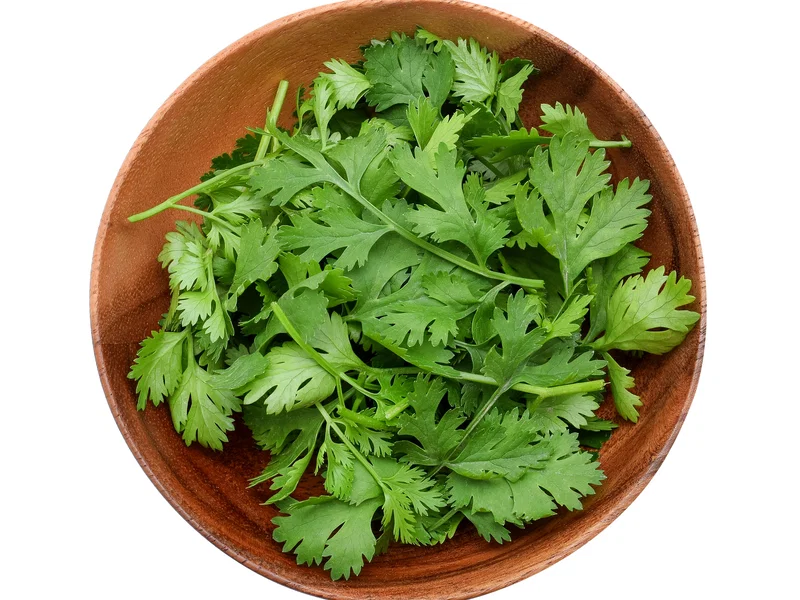
Coriander
Vegetables and Fungus
Nutrients
Fibre, Manganese, Iron, Magnesium, Protein, Vitamins C and K.
Pregnancy
Mums-to-be, avoid eating coriander. This popular herb contains traces of phytoestrogens that perform the function of the hormone estrogen by stimulating uterine contractions. This can lead to miscarriage or premature labour.
Postpartum
You may eat coriander after giving birth to your little one. It contains Vitamin K which helps with blood clotting after labour and the fibre can help bowel movements.
Breastfeeding
You can eat coriander while breastfeeding. It is high in vitamin C which has antioxidant properties to protect you from illness. Wash the leaves well before eating.
Baby
Coriander is not suitable for babies under the age of 11 months.
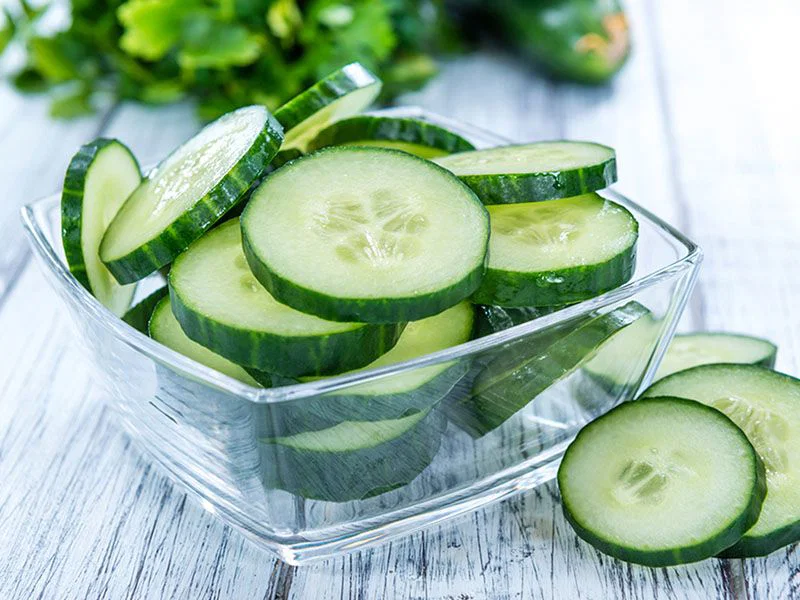
Cucumber
Vegetables and Fungus
Nutrients
Vitamin C, Vitamin B, Potassium
Pregnancy
Cucumbers serve as a great snack for pregnant mothers! Cucurbitacin C in cucumber can improve baby’s and your immunity.
Postpartum
After you give birth, you can continue to eat cucumbers. Cucumbers can help cool you down and quench thirst. Vitamin C in cucumber can also improve iron absorption, so that postpartum mothers can recover from iron loss during childbirth.
Breastfeeding
Breastfeeding mothers can eat cucumbers to improve overall immunity. Cut into sticks, they are a great snack to have on hand while breastfeeding.
Baby
Babies can eat cucumbers as they can help prevent constipation and discomfort. Cut into sticks, they are a great finger food for older babies aged 9-10 months.
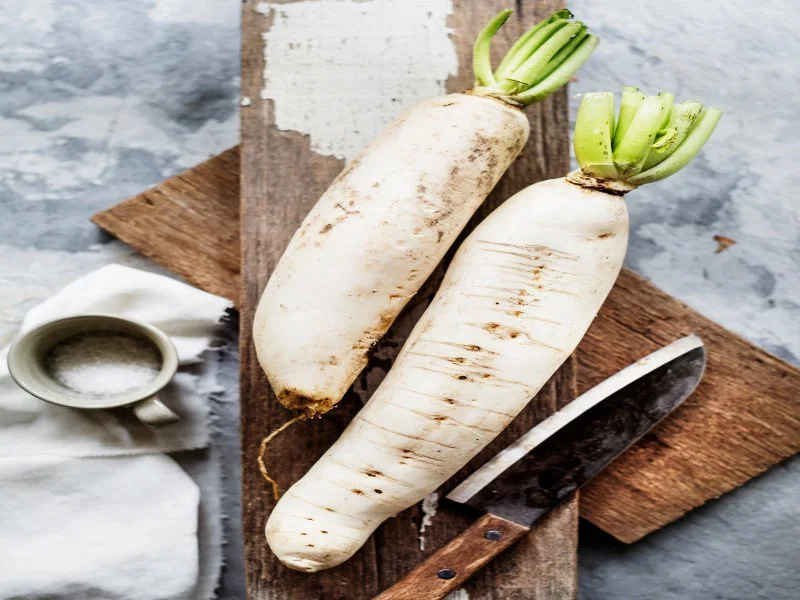
Daikon
Vegetables and Fungus
Nutrients
Carbs, Protein, Fiber, Vitamin C, Folate (B9), Calcium, Magnesium, Potassium, Fiber
Pregnancy
Daikon is also rich in folate which are particularly important during pregnancy, as this nutrient plays an integral role in the growth and development of the baby. Although it is generally safe to eat, women who are pregnant should avoid more than the usual amount.
Postpartum
Daikon is a low caloric energy food. It contains antioxidants, vitamins, minerals, and fiber. Therefore, it is a great vegetable to include in your diet for weight management.
Breastfeeding
Daikon is high in nutrition and prompts lactation. Although it is generally safe to eat, women who are breastfeeding should avoid more than the usual amount.
Baby
Daikons are perfect health supplements for your baby. It is easily digestible and can be introduced to your child when he/she is 6-8 months old.
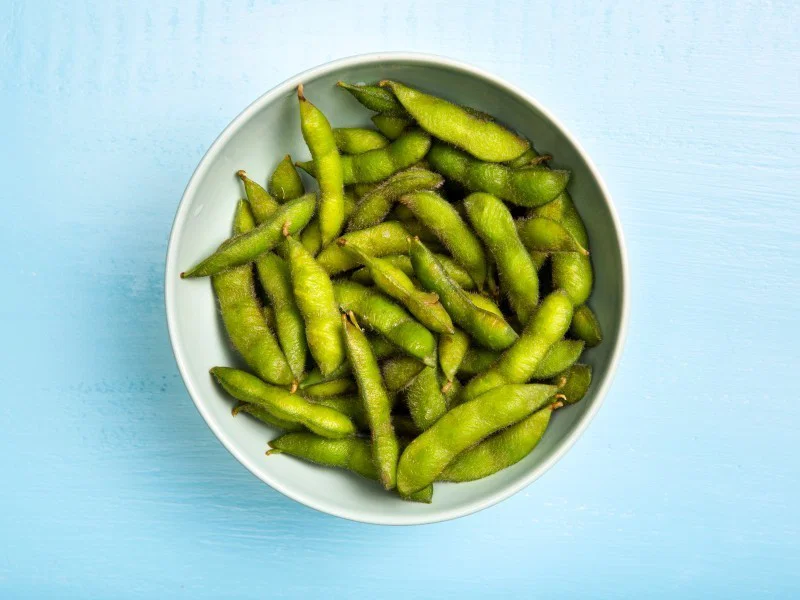
Edamame
Vegetables and Fungus
Nutrients
Folate, Vitamin K1, Thiamine, Riboflavin, Iron, Copper, Manganese
Pregnancy
Edamame is a good source of folate which minimizes the risk of birth defects in fetuses. Pregnant women who follow a vegetarian or a vegan diet can regularly eat edamame for their protein intake. But you must only consume any type of soy product after the approval of your doctor.
Postpartum
Edamame is rich in healthy fiber, antioxidants, vitamin K ,and folate. It is a perfect nutrient-dense food for new moms.
Breastfeeding
Edamame is rich in iron and protein. Adding protein to the diet helps to build the protein in breast milk and helps grow, maintain, and repair cells.
Baby
Edamame can be introduced as soon as your baby is ready to start solids. It contains plenty of protein and essential amino acids to power cell and tissue growth in your baby’s growing body. But be careful when you give it to your baby as they are a choking hazard and common allergen.
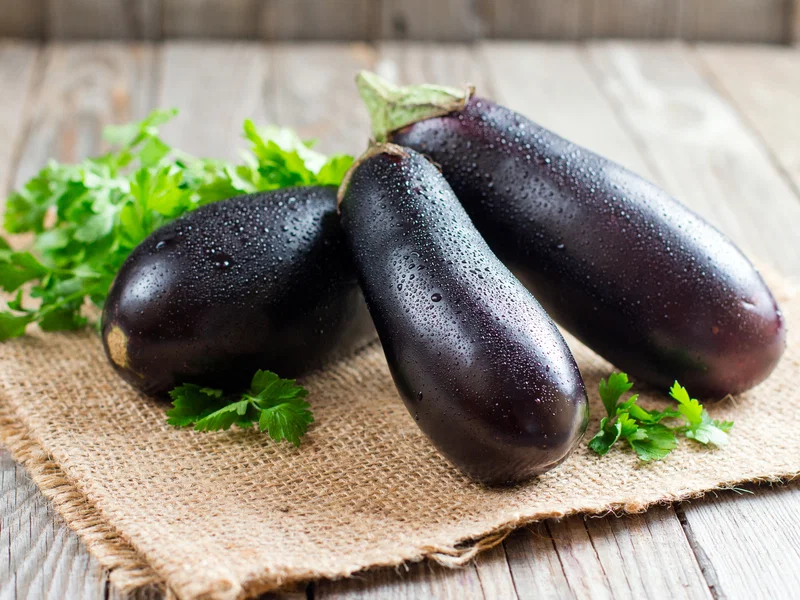
Eggplants
Vegetables and Fungus
Nutrients
Manganese, Folate, Potassium, Carbohydrates, Vitamin C, K
Pregnancy
Mums-to-be can eat eggplant to boost heart health and immunity, help stabilise blood pressure and contribute to baby’s overall development.
Postpartum
Mummies, you can eat eggplant to give you much-needed energy and strength after giving birth, and improve your heart’s health for better blood circulation.
Breastfeeding
Breastfeeding mums, eggplants are perfectly safe and healthy for you to eat. Packed with nutrients and energy-giving carbohydrates, consuming this vegetable keeps you healthy, so you can continue giving your child the best food possible: your breast milk.
Baby
Eggplant is good for baby’s growth and development, and can be safely give when your baby starts solids at around 6 months of age.
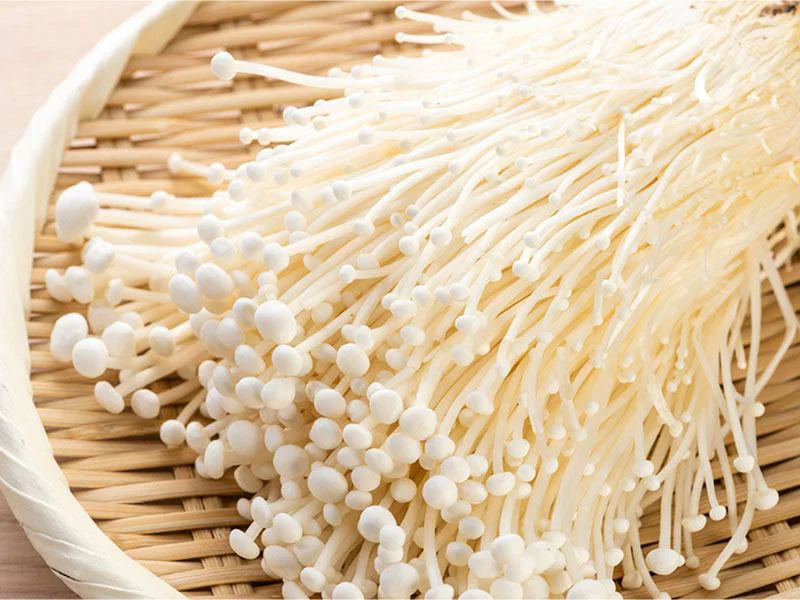
Enokitake
Vegetables and Fungus
Nutrients
Amino Acids, Zinc, Calcium, Iron, Protein, Vitamin B, Vitamin C, Caretonoids
Pregnancy
Mummies-to-be can eat enokitake mushroom. Rich in cellulose, these mushrooms are good for your skin and hair, as well as baby’s skin. High in essential nutrients, enoki mushrooms also improve your body’s metabolism, and prevent indigestion. Avoid eating raw.
Postpartum
You can eat enokitake mushroom in the postpartum period. The nutrients in these mushrooms can help control high blood pressure, constipation and swelling. They can also lower cholesterol, improve metabolism, and improve digestion. Avoid eating raw.
Breastfeeding
Breastfeeding mothers can eat enokitake mushrooms to increase breast milk secretion and stimulate baby’s brain and intellectual development. The antioxidants protect you from illness. Do not eat raw.
Baby
Babies can eat enokitake mushroom once they start solids after 6 months. The nutrients in the mushroom can improve bone development and prevent anemia. Select white/ cream coloured mushrooms that are dry and not slimy. Never give raw enoki mushrooms to your baby.
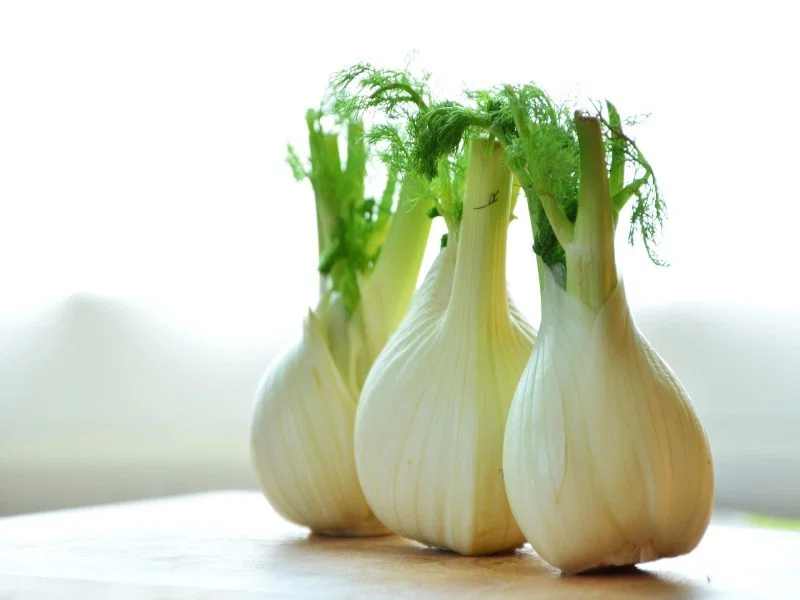
Fennel
Vegetables and Fungus
Nutrients
Protein, Fat, Carbohydrates, Fiber, Natural Sugars, Calcium, Iron, Magnesium, Potassium, Vitamin A, Vitamin C
Pregnancy
Fresh fennel bulb and fennel seeds are safe in pregnancy in moderate amounts as food. Pregnant women should avoid fennel tea, essential oil and fennel supplements. Fennel is a good source of vitamin C. It contains small amounts of important minerals such as potassium, manganese, calcium, potassium and iron. It is also a good source of fiber which helps to prevent constipation.
Postpartum
Fennel seed is a postpartum beauty aid, improving skin tone and hair health, as well as promoting sound sleep and even soothing digestive issues in mom.
Breastfeeding
Fennel is believed to be a substance that increases breast milk. It is a well-known herbal galactagogue (a substance that helps in increasing breastmilk supply) and has been used to increase the supply of milk in nursing women for centuries.
Baby
Giving fennel to your baby is completely safe, as long as the quantity is controlled. Fennel water or fennel oil can be quite effective in reducing the colic problems in babies. Fennel seeds contain various properties that are antimicrobial. These provide protection from multiple pathogens. But it is not recommended to give fennel seeds directly to an infant.
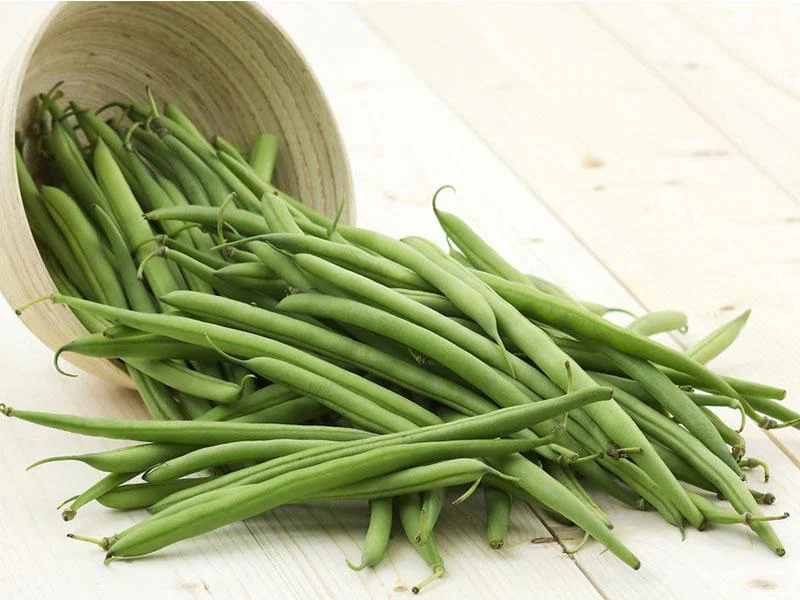
French bean/ Green bean
Vegetables and Fungus
Nutrients
Vitamin A, C, K, B6, Folic acid, Calcium, Silicon, Iron, Manganese, Potassium, Copper, Fibre, Magnesium, Saponin
Pregnancy
During pregnancy, it is safe to consume french beans. They are rich in vitamins and nutrients that boost the body’s immunity. The iron helps in producing more blood that is needed during pregnancy and the antioxidants help to eradicate free radicals. Thus, helping both, the mother-to-be and the unborn child.
Postpartum
French beans are very nutritious as they are rich in iron, vitamins and other essential nutrients that help you to get back your stamina after delivery.
Breastfeeding
While breastfeeding you can eat french beans. These can help boost metabolism, aid the body’s recovery and improve skin condition.
Baby
You can introduce French beans to your baby at around 7 months (steamed and chopped) and later as finger food at around 10 months. They are rich in nutrients that boost immunity, brain and physical growth in your baby.
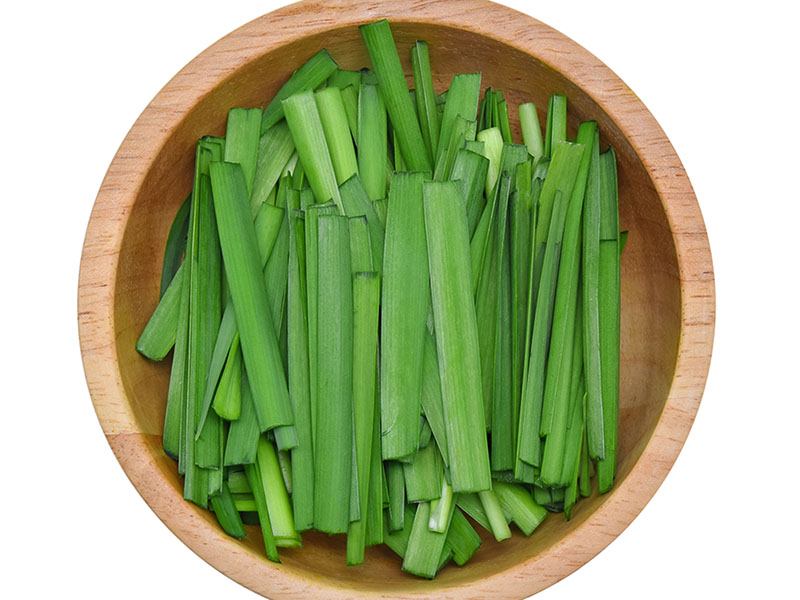
Garlic chives
Vegetables and Fungus
Nutrients
Dietary Fibre, Protein, Vitamin C, Carotene, Calcium, Vitamin B1 and B2
Pregnancy
Chives add excellent taste to food and are safe to eat while pregnant. The nutrients protect you from illness, protect your bones and enhance your digestion.
Postpartum
Confinement food can be bland, so spice it up with chives! While they add flavour to food, the fibre will help keep your gut healthy, while the calcium with help prevent osteaoporosis.
Breastfeeding
It’s perfectly safe to eat chives while you’re breastfeeding. Some mums even find it a breastmilk booster. It also adds great taste to food.
Baby
Some babies like the taste of garlic-tasting chives in their food. But, others may become fussy and irritated. If you believe garlic is causing issues for your child, you may want to try eliminating it from the baby’s food for a while to see if it makes any difference. Still, you can introduce chives when your baby is around 6 months old.
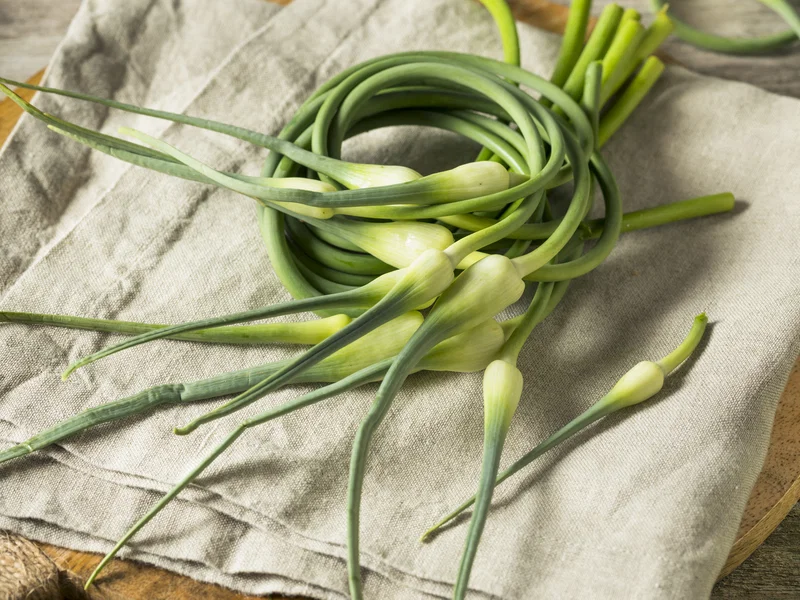
Garlic scapes
Vegetables and Fungus
Nutrients
Allicin, Carotene, Cellulose, Niacin, Phosphorus, Calcium, Iron
Pregnancy
It’s okay to eat the flower buds of the garlic plant – or garlic scapes – while pregnant. Garlic scapes are rich in and other nutrients. These protect you against disease, help prevent constipation, and improve your overall health.
Postpartum
You can eat garlic scapes, mums. The nutrients packed in garlic scapes help you regain strength, reduce the appearance of stretch marks, relieve constipation and prevent diseases.
Breastfeeding
Garlic scapes are rich in nutrients, so go ahead and eat them, breastfeeding mums. Just watch out for digestive issues if you eat too many of them. If you experience this, reduce the quantity you consume.
Baby
Garlic scapes are not suitable for babies under the age of 11 months.
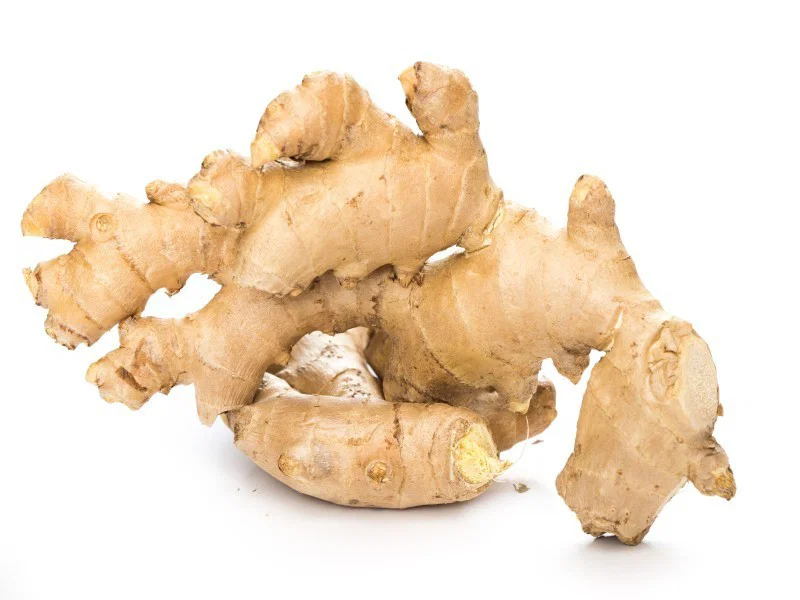
Ginger
Vegetables and Fungus
Nutrients
Carbohydrates, Protein, Fat, Vitamin C, Folate, Magnesium, Potassium, Fiber
Pregnancy
Ginger could ease morning sickness during pregnancy. But pregnant women should be careful with ginger. Some experts worry that it could raise the risk of miscarriage, especially in high doses.
Postpartum
Ginger is believed to help a mother heal from childbirth. Ginger is also an effective blood thinner, There for moms who suffer from bleeding should avoid ginger in early postpartum. This would include mothers who had a cesarean delivery.
Breastfeeding
Ginger is believed to increase breast milk production. Consuming ginger in small doses as a spice may not lead to side effects.
Baby
You can start giving ginger in small amounts when your baby is 9 months old. It helps the baby to reduce gas and constipation. It also boosts immunity.
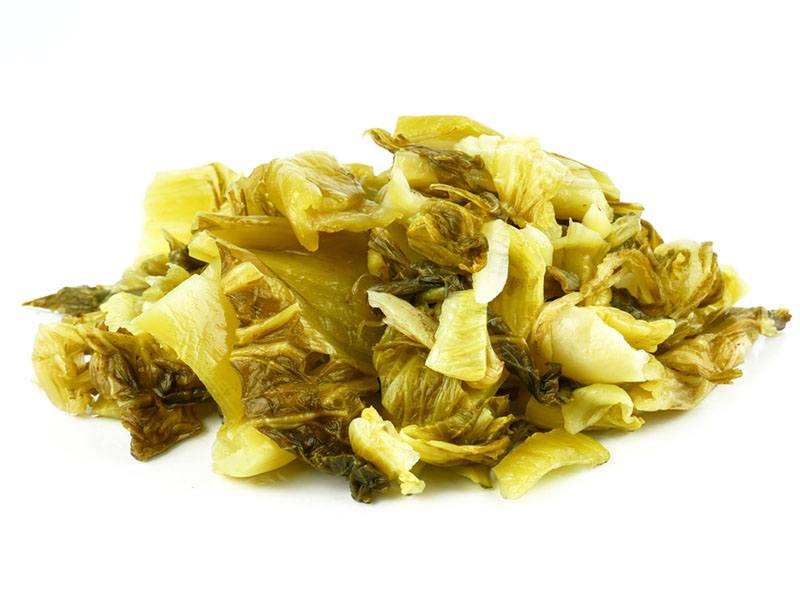
Gong Cai (Tribute Vegetable)
Vegetables and Fungus
Nutrients
Protein, Pectin, Amino Acid, Calcium, Iron, Zinc, Carrotene, Potassium, Sodium, Phosphorus, Carbohydrate, Vitamin E
Pregnancy
Gong cai is a delicacy that is safe for pregnant women to eat. The nutrients in it contribute to baby’s development, especially skeletal and brain. Just eat it fresh and avoid the pickled variety because it may contain unsafe additives.
Postpartum
New mummies can eat gong cai during postpartum recovery. Its high nutritional content is great for recovering mummies, to help replenish what was lost during delivery.
Breastfeeding
Mums can eat gong cai during breastfeeding as it is a highly nutritious food and can enhance boost your overall health.
Baby
Gong cai is not suitable for babies under the age of 11 months.
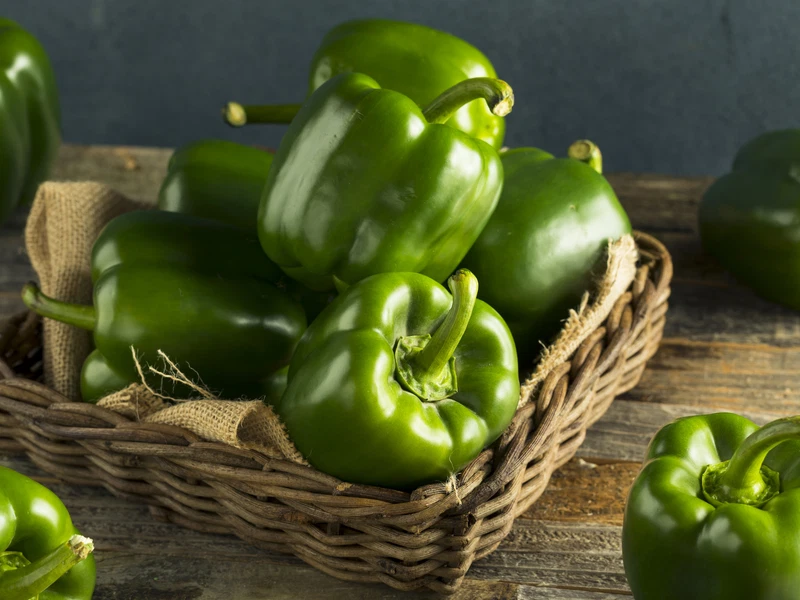
Green capsicum
Vegetables and Fungus
Nutrients
Silicon, Choline, Phosphorous, Copper, Manganese, Iron, Vitamins C and K, Folate, Carotene
Pregnancy
Mums-to-be, go ahead and eat green capsicum. The silicon in capsicum is great for healthy hair, skin and nails. Its strong antioxidant properties protect you from illnesses and the folate and other nutrients it contains are great for baby’s healthy development.
Postpartum
You can eat green capsicum during the Selepas bersalin period. High in vitamin C and iron, it promotes calcium absorption and helps prevent anemia.
Breastfeeding
Rich in carotene and other nutrients, green capsicum is a good addition to a balanced diet while breastfeeding. It also helps ease digestion woes because of the fibre it contains.
Baby
Introduce green capsicum to your little one once their digestive system has matured at around 9 months of age. Its strong antioxidant properties protect baby from illnesses and the folate and other nutrients it contains are great for baby’s healthy development.
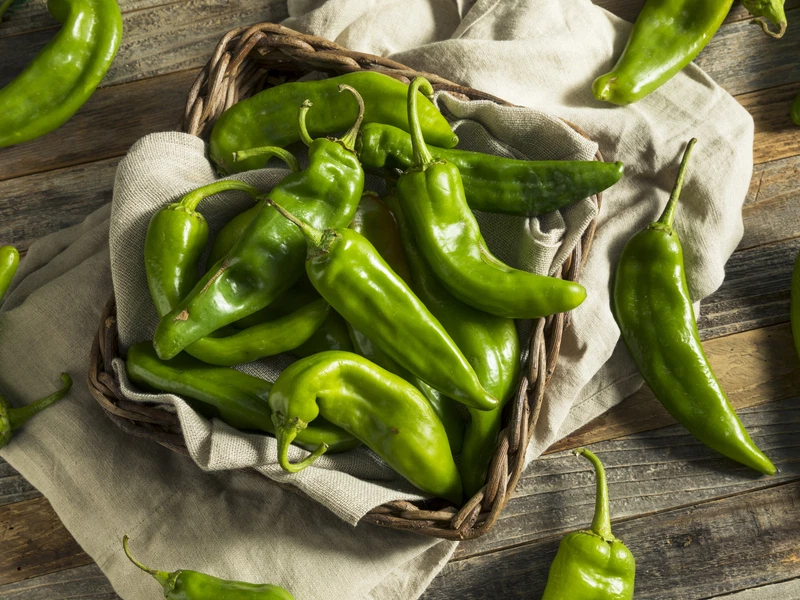
Green chili
Vegetables and Fungus
Nutrients
Folate, Niacin, Magnesium, Vitamins A, C and K.
Pregnancy
You might crave the fire of chili on your tongue during pregnancy, but try to eat less of it. While it does contain nutrients, eating too many green chillies can give you heartburn and gastric discomfort.
Postpartum
While eating green chillies after delivering your baby won’t harm you, it may cause you gastric discomfort. So hold off on the chillies until your body has recovered from childbirth.
Breastfeeding
It’s fine to eat green chillies while breastfeeding if you want to. Some say that it makes your milk “spicy” but this is really not the case. However, if you see any discomfort in your baby after you eat green chillies, do try cutting them out of your diet for a while.
Baby
Do not give your baby green chillies. They’re too spicy for baby’s under-developed palate and will cause a burning sensation in his/ her mouth.
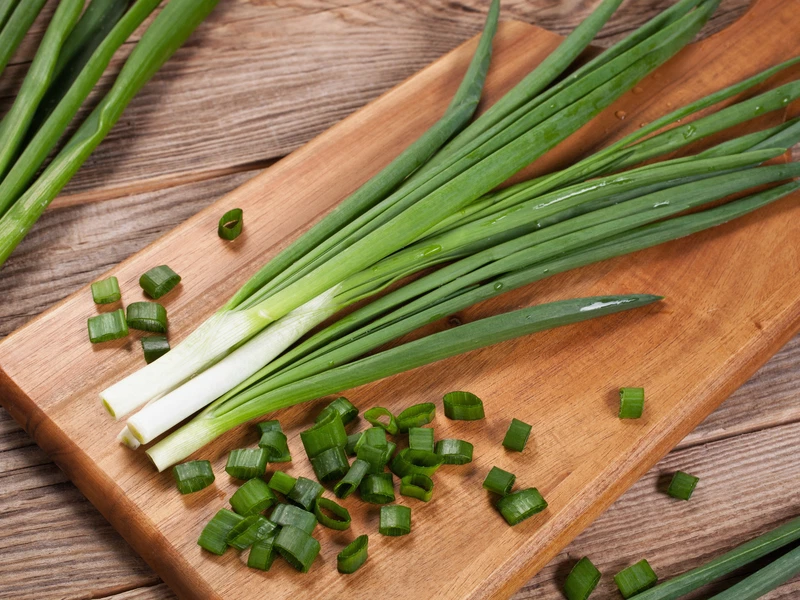
Green onions
Vegetables and Fungus
Nutrients
Vitamins C and K, Fibre, Protein, Carbohydrates
Pregnancy
Pregnant women can eat green onions. Vitamin K is important for blood clotting so it’s important you and your baby get enough of it, starting now.
Postpartum
Green onion is excellent for mums to eat in their Selepas bersalin period. It’s rich in vitamin K which helps clot your blood, helping to stop any Selepas bersalin bleeding.
Breastfeeding
Breastfeeding mums, go ahead and eat green onions. With a good mix of vitamins and mineral, green onions help keep you healthy, protect you from illness and aid in digestion.
Baby
Green onion is not suitable for babies under the age of 11 months.
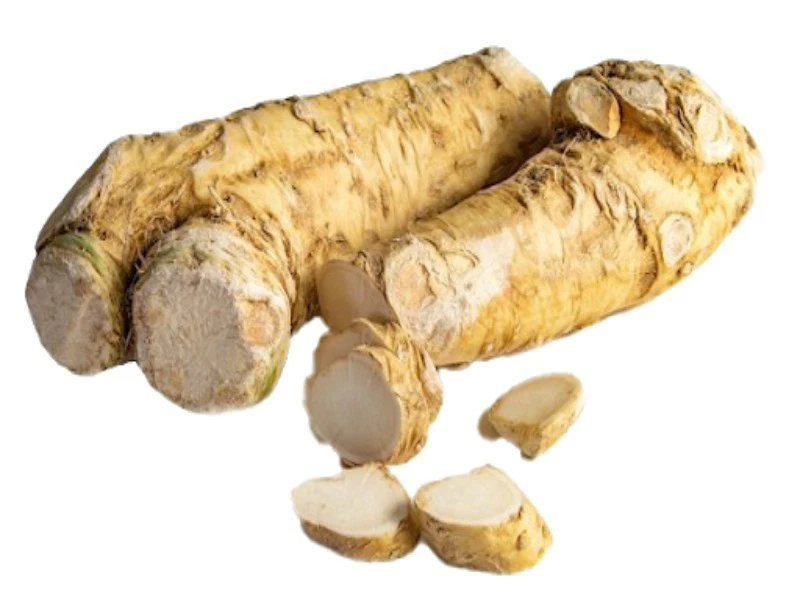
Horseradish
Vegetables and Fungus
Nutrients
Calcium, Magnesium, Potassium, Folates, Vitamin C, Zinc
Pregnancy
Horseradish can be toxic and irritating. It is unsafe when using regularly or in large amounts because it might cause a miscarriage.
Postpartum
Horseradish can be toxic and irritating. It is unsafe when using regularly or in large amounts.
Breastfeeding
Horseradish can be toxic and irritating. It is unsafe when using regularly or in large amounts. Horseradish can impart a bitter and pungent taste to milk, causing the baby to give up breast.
Baby
It is better to avoid horseradish when you prepare food for your child less than 4 years old. It can cause digestive tract problems, skin irritation and allergic reactions.
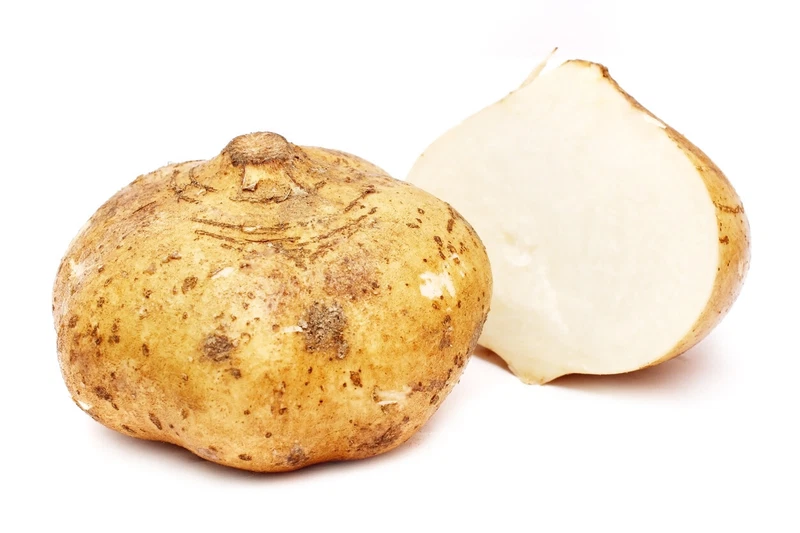
Jicama
Vegetables and Fungus
Nutrients
Calories, Carbs, Protein, Fat, Fiber, Vitamin C, Folate, Iron, Magnesium, Potassium, Manganese
Pregnancy
During pregnancy, it’s even more important to eat enough fiber. This is because the hormones and changes that take place in your body make you more susceptible to gut problems such as heartburn, constipation, and inflammatory bowel disease. Jicama is an excellent source of fiber and hence is safe to eat during pregnancy.
Postpartum
If you want to return to your exact pre-pregnancy weight or shape you can add raw jicama to your diet. It is best to wait at least 2 months for your body to recover from childbirth.
Breastfeeding
Consuming Jicama will only benefit your health while also establishing good eating habits for your baby to follow when she begins consuming solids around six months of age.
Baby
Jicama contains a significant amount of dietary fiber which helps digestion. It is also rich in antioxidants. You can add jicama to your baby’s diet, as soon as the baby starts eating solids, from 6 months onwards.
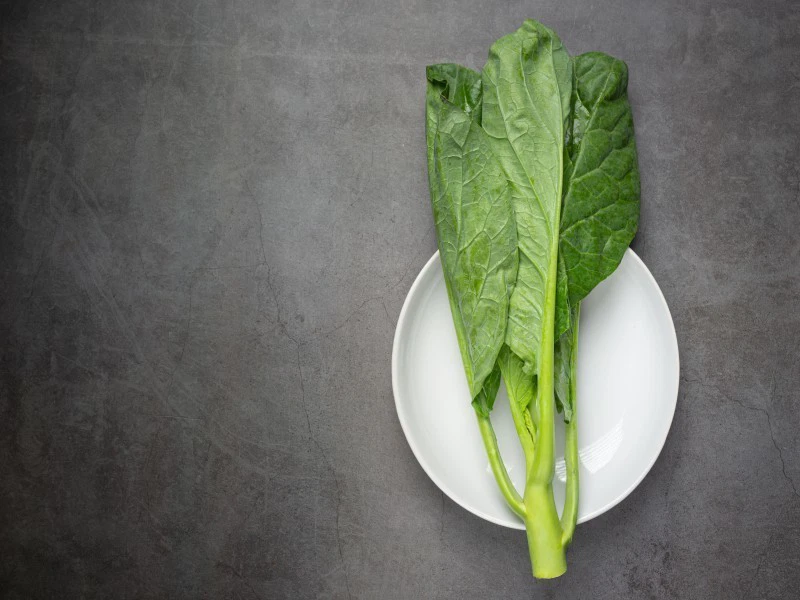
Kale
Vegetables and Fungus
Nutrients
Vitamin A, Vitamin K, Vitamin C, Vitamin B6, Manganese, Calcium, Copper, Potassium, Magnesium, Vitamin B1 (thiamin), Vitamin B2 (riboflavin), Vitamin B3 (niacin), Iron and Phosphorus
Pregnancy
The nutritional value of kale helps build a healthy baby inside. Vitamin A and C content in kale builds stronger immune system, Vitamin K helps keep the blood vessels strong during pregnancy. The rich calcium component in kale helps build a stronger bone and teeth built in your growing baby. Kale comes packed with fiber content ideal for smooth digestion.
Postpartum
You can eat kale during your Selepas bersalin period. This dark green leafy vegetable contains Magnesium which can help you with relaxation.
Breastfeeding
Kale is a dark green, leafy vegetable which has an excellent source of nutrients for mom and baby including fiber, folate, calcium and several kinds of vitamins.
Baby
Kale is super food for babies from 8 months onwards. It is loaded with many nutrients. Kale helps support a healthy heart, promotes eye health, and aides in brain development in babies.
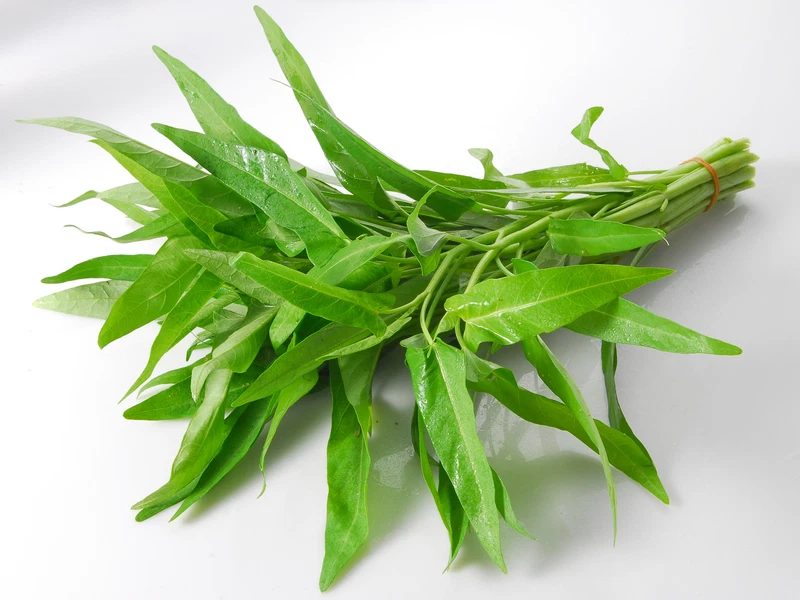
Kangkong
Vegetables and Fungus
Nutrients
Carotene, Potassium, Phosphorus, Iron, Vitamin C, Calcium, Niacin, Dietary fibre
Pregnancy
You can eat kangkong while pregnant, mums-to-be. Its nutrients promote good digestive health and keep your immune system healthy.
Postpartum
Kangkong is rich in nutrients that are good for you in the Selepas bersalin period. These green, delicious leaves contain iron which helps you regain strength following childbirth, and prevent Selepas bersalin anemia.
Breastfeeding
Go ahead and eat kangkong, breastfeeding mums. Kangkong can help digestion, prevent constipation and is good for your health in general.
Baby
Your baby can eat kangkong when he/she is ready for solids at around 6 months of age. Kangkong is good for baby’s digestive health and growth.
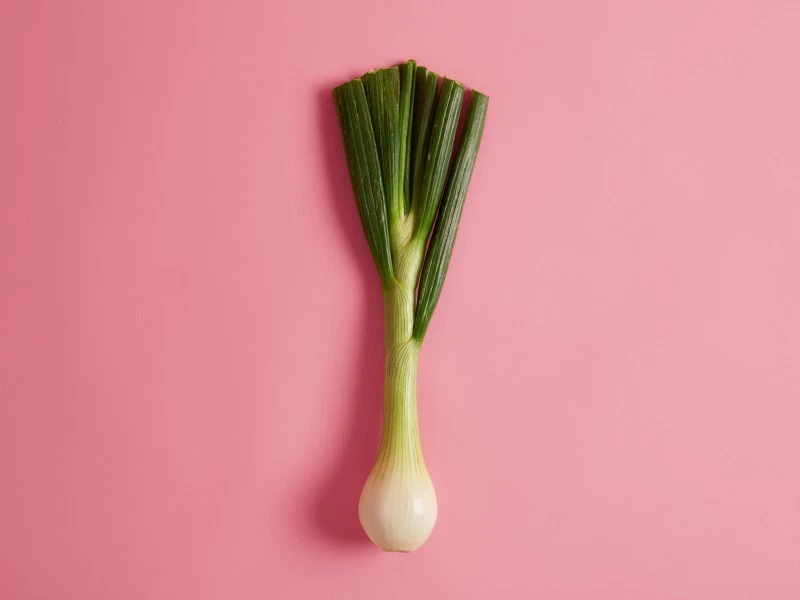
Leeks
Vegetables and Fungus
Nutrients
Vitamin K, Manganese, Copper, Folate, Iron, Vitamin C, Vitamin B6
Pregnancy
Leeks contain vitamin B6 and Vitamin K. Vitamin B6 is necessary for your body to metabolize energy from the carbohydrates, fats and proteins in your diet. Vitamin K is needed for proper blood-clot formation and healthy bone growth and manganese helps support normal skeletal development in the baby.
Postpartum
Although leeks are very nutritious, it can cause heat in the body which is in general unhealthy for your weak body.
Breastfeeding
Leeks have been found to decrease breast milk secretion. It is better to avoid leek.
Baby
Your baby must avoid leeks. It can cause heat which will harm the healthy development of the baby.
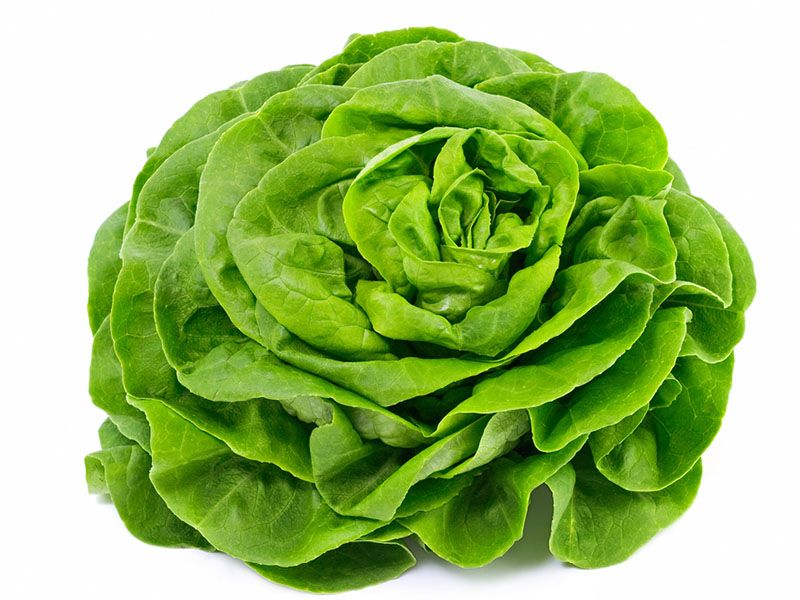
Lettuce
Vegetables and Fungus
Nutrients
Dietary fibre, Manganese, Potassium, Biotin, Vitamin B1, Copper, Iron, Vitamin C, B2 and K, Omega-3 fatty acids, Vtamin B6, Phosphorus, Chromium, Magnesium, Folic Acid, Calcium and Pantothenic Acid
Pregnancy
Mums-to-be can eat lettuce. Full of nutrients, it protects you from illness, gives you glowing skin and lush hair, and also provides baby with important nutrients to grow well. Wash the lettuce well to get rid of any pesticide residue.
Postpartum
You can eat lettuce after childbirth, as it can help prevent anemia if you lost a lot of blood during childbirth.
Breastfeeding
Lettuce is safe to eat during breastfeeding. Natural fibre in it helps prevent constipation and because it has no fat, you don’t have to worry about putting on weight.
Baby
Your baby can eat lettuce once he/she is around 6 months old. The nutrients boost baby’s immunity and brain development. Remember to wash it well to remove any pesticide residue before giving it to baby.
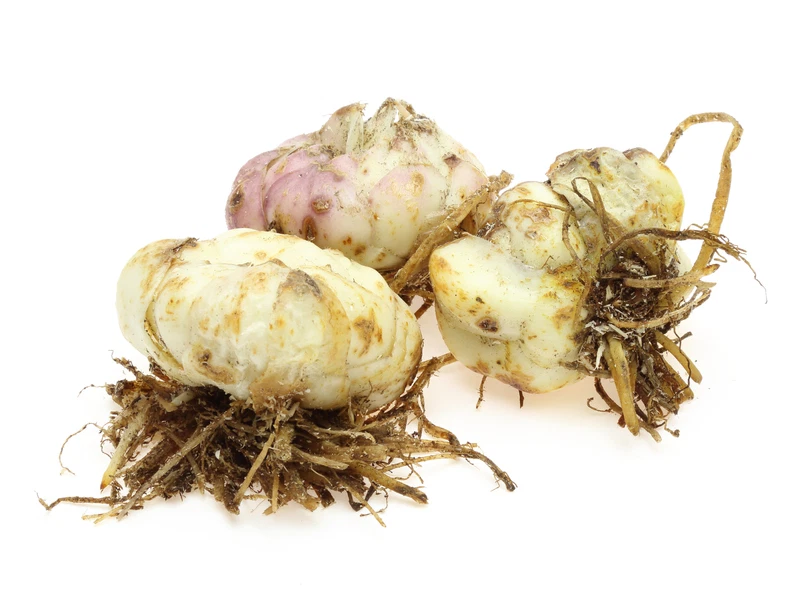
Lily bulbs
Vegetables and Fungus
Nutrients
Proteins and starches, calcium, iron, phosphorus, and vitamins B1, B2 and C
Pregnancy
Cooked lily bulbs are fine for mums-to-be to consume. Note though that raw lily bulbs are toxic. Direct contact may cause your skin to itch. Eating it raw may cause symptoms such as vomiting or diarrhea.
Postpartum
Lily bulbs are rich in nutrients and good for you to eat in the Selepas bersalin period. It gives you energy and rejuvenates your body. Cook them well before eating as raw lily bulbs are toxic and may cause vomiting or diarrhea. Direct contact may cause your skin to itch.
Breastfeeding
Lily bulbs are okay for breastfeeding mummies. It promotes good health in you, and when you are healthy, so is your baby. Cook them well before eating as raw lily bulbs are toxic and may cause vomiting or diarrhea. Direct contact may cause your skin to itch.
Baby
Lily bulbs are not suitable for babies under the age of 11 months.
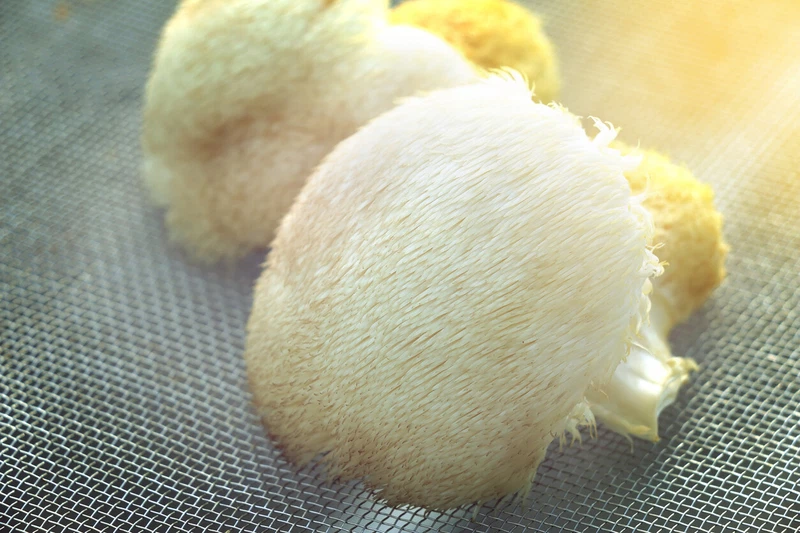
Lion’s Mane Mushroom
Vegetables and Fungus
Nutrients
Carbs, Dietary Fiber, Fat, Sodium, Potassium, Vitamin A, Vitamin C, Calcium, Iron
Pregnancy
Pregnant women should avoid using Lion’s Mane Products as insufficient evidence is available to determine if any dosage is safe during pregnancy.
Postpartum
There has been no concerted investigation into the use of Lion’s Mane Mushroom for new mothers.
Breastfeeding
There has been no concerted investigation into the use of Lion’s Mane Mushroom during breastfeeding.
Baby
The reaction children have to many substances is completely different from what is seen in adults. Substances, and doses, that are fine for adults can be toxic for children. Best to discuss it with the child’s psychiatrist or pediatrician.
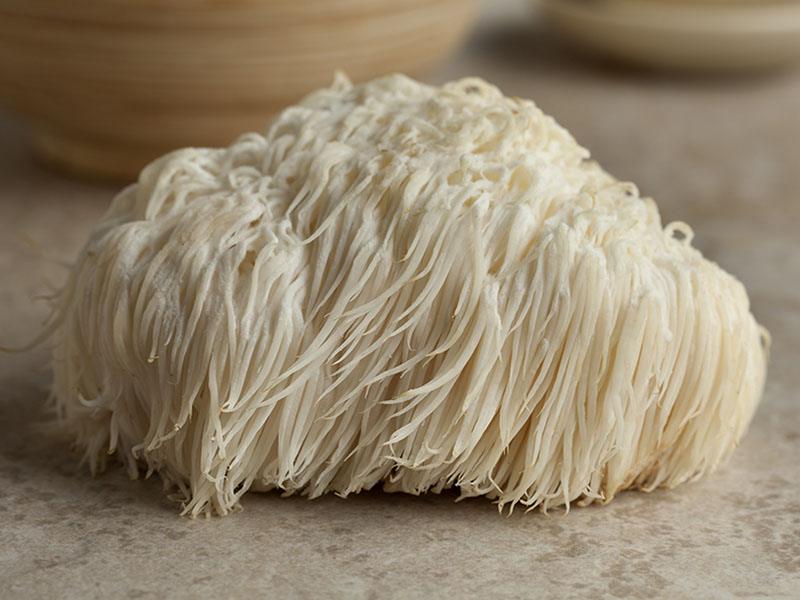
Lion’s mane mushroom
Vegetables and Fungus
Nutrients
Carbohydrates, Protein, Antioxidants
Pregnancy
The safety of lion’s mane mushroom is not studied in pregnant women. It may be safe when properly cooked, and provide you with nutrients as well. However, we urge you to discuss it with your doctor before eating, as there is nothing there that you cannot already get from other foods.
Postpartum
This dainty-looking mushroom adds beauty and taste to many soups. However, the safety of the mushrooms is not studied in post-partum women. While properly-cooked mushrooms are safe to consume, it is best to discuss it with your doctor before consumption.
Breastfeeding
Safety data about the consumption of this mushroom while nursing is not available. We urge you to err on the side of caution and avoid it. If you are going to consume it, ensure that it is properly cooked.
Baby
Lion’s mane mushroom is not suitable for babies under the age of 11 months.
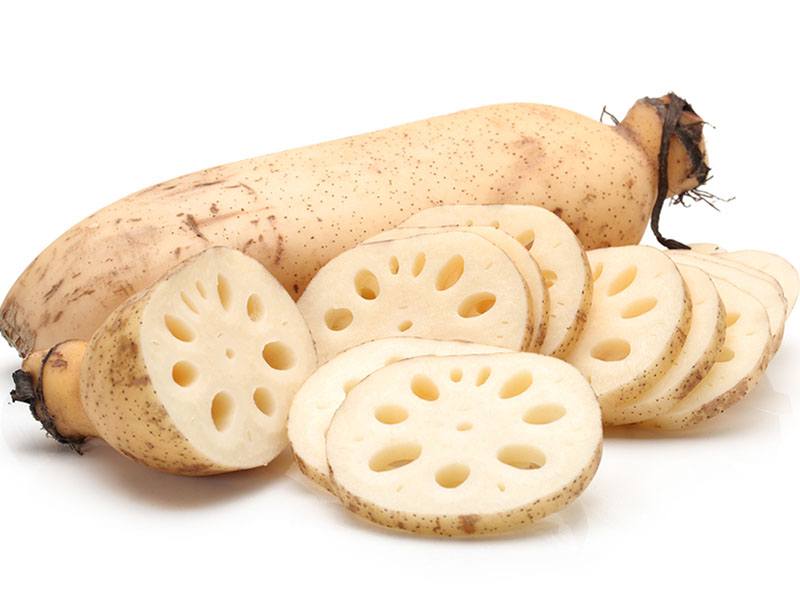
Lotus root
Vegetables and Fungus
Nutrients
Fibre, Vitamic C, Folates, Potassium, Phosphorous, Copper, Iron, Manganese, Thiamin, Pantothenic Acid, Zinc, Vitamin B6
Pregnancy
Lotus root is easy to eat and high in nutritional value. Low in carbs and high in fibre and other nutrents, this tasy food is a nutritional all-rounder for pregnant mums.
Postpartum
You can eat lotus root after giving birth to your child. A rich source of fibre, it will make your bowel movements one less thing to worry about!
Breastfeeding
Breastfeeding mothers can eat lotus root as it provides comprehensive nutrition for mothers to improve immunity. It is a breast milk booster for some mums.
Baby
Weaned babies can have lotus root at around 6 months of age, as it is a good source of carbs, fibre, and vitamin C for general health.
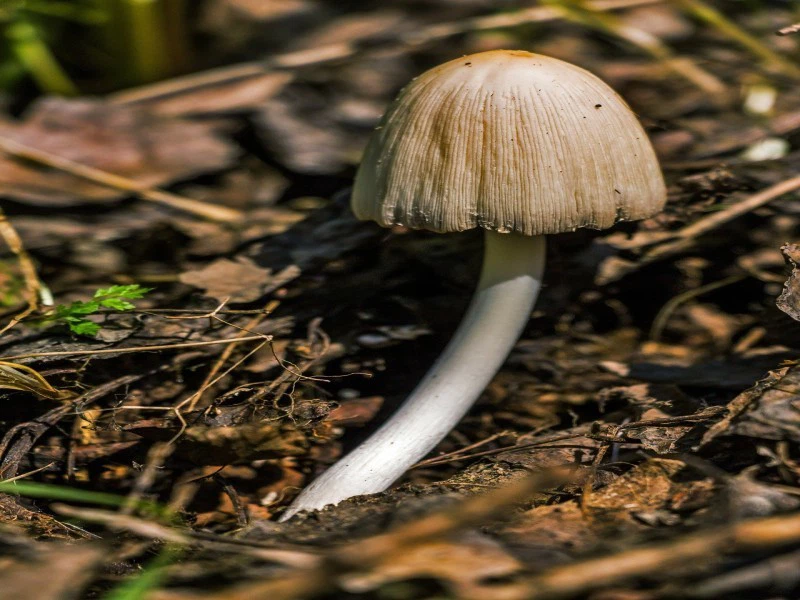
Mushroom
Vegetables and Fungus
Nutrients
Selenium, Copper, Thiamin, Magnesium, Phosphorous, Zinc
Pregnancy
Mushrooms contain vitamins and minerals in large quantities which makes them a powerhouse of nutrition. But it may cause pregnant women with allergies to have side effects.
Postpartum
Mushroom contains copper, magnesium and zinc which are some of the important nutrients for new mothers. Zinc helps in maintaining a healthy immune system, and promotes cell reproduction, wound healing, tissue growth, and repair, which are all important functions during postpartum recovery.
Breastfeeding
Mushrooms are good a source of beta-glucan thought to be the main lactation agent responsible for mushroom’s galactagogue properties.
Baby
Mushrooms are a good source of fiber, and selenium, an important mineral. Some babies may be allergic to mushrooms.
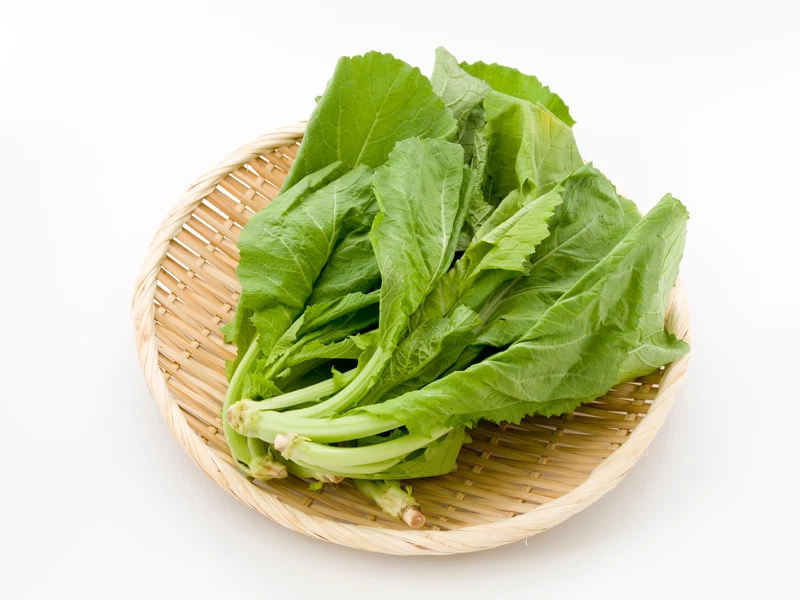
Mustard leaves
Vegetables and Fungus
Nutrients
Vitamins K, A and C, Iron, Folate, Manganese, Dietary fibre, Calcium, Protein
Pregnancy
Mum-to-be, stock up on green, delicious and healthy mustard leaves! They are packed with nutrients and aids with digestion. The vitamins boost your immune system and baby’s brain and body development. Avoid eating pickled mustard leaves as they may contain nitrites, which are bad for you and the baby.
Postpartum
You can eat mustard leaves during your Selepas bersalin period. This dark green leafy vegetable contains iron, which helps prevent anemia especially if you lost a lot of blood during delivery. The vitamins help protect you from infections. Avoid eating pickled mustard leaves as they may contain nitrites.
Breastfeeding
Breastfeeding mummies can eat mustard leaves. Mustard leaves can also aid digestion and is an anti-inflammatory food. Some mums find that cooking mustard leaves with tofu and prawns may increase breast milk production. Avoid eating pickled mustard leaves as they may contain nitrites.
Baby
Your baby can eat mustard leaves when he or she is old enough for solids, at around 6 months of age. These leaves really pack a power-punch in nutrition for your little one. Never give baby pickled mustard leaves as these may contain harmful nitrites.
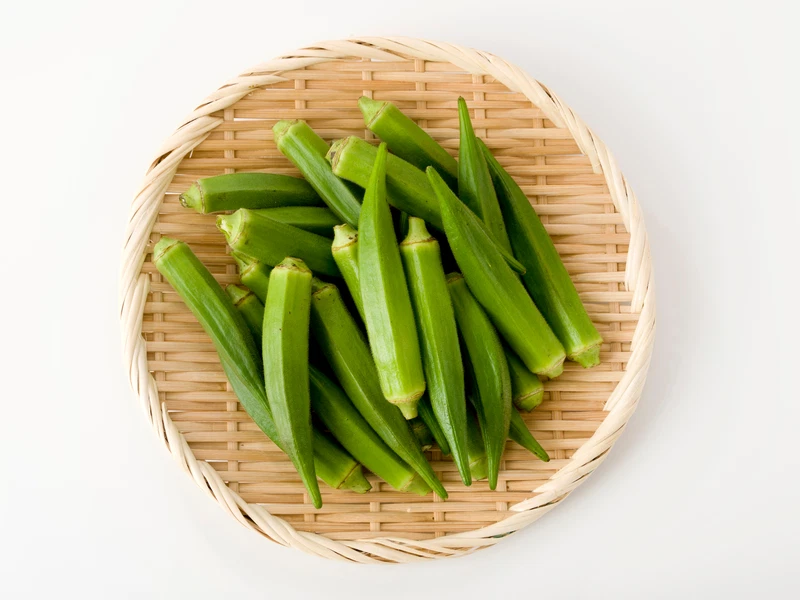
Okra
Vegetables and Fungus
Nutrients
Protein, Riboflavin, Niacin, Phosphorus, Potassium, Vitamins A, C and K
Pregnancy
Pregnant women can eat okra. Eating it can promote good heart health and also ensure healthy weight gain. The fibre in it helps prevent constipation.
Postpartum
Yes, mums can eat okra during the Selepas bersalin period. It can help reduce the appearance of stretch marks, and protect you from illness.
Breastfeeding
Breastfeeding mums can eat okra which helps in keeping you healthy so that you can nurse without a problem.
Baby
You can introduce okra to your baby when he/she is around 8 months old. Eating okra may help improve your baby’s vision and stimulate overall growth and development.
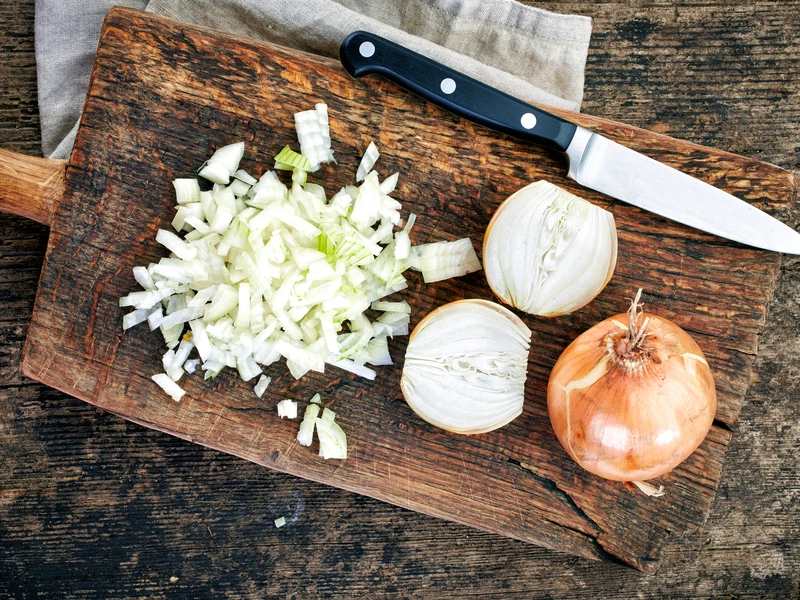
Onion
Vegetables and Fungus
Nutrients
Folate, Fibre, Vitamin C, Calcium, Quercetin
Pregnancy
Mums-to-be can eat onion. It is rich in essential nutrients for your good health and also for baby’s optimal brain, bone and nervous system development. If you hate the sensation of stinging eyes while cutting onion, dip your knife in cold water first.
Postpartum
Mummies may eat onions after childbirth. Onion contains quercetin, a natural anti-cancer substance, that helps prevent cell mutations and boosts your strength.
Breastfeeding
Yes, lactating mothers can eat onions. With a good amount of calcium, onion is great for your bones and can help prevent osteoporosis.
Baby
Your baby can eat small portions of onion after he/she starts on solids after 6 months. It contains important nutrients essential for baby’s proper development.
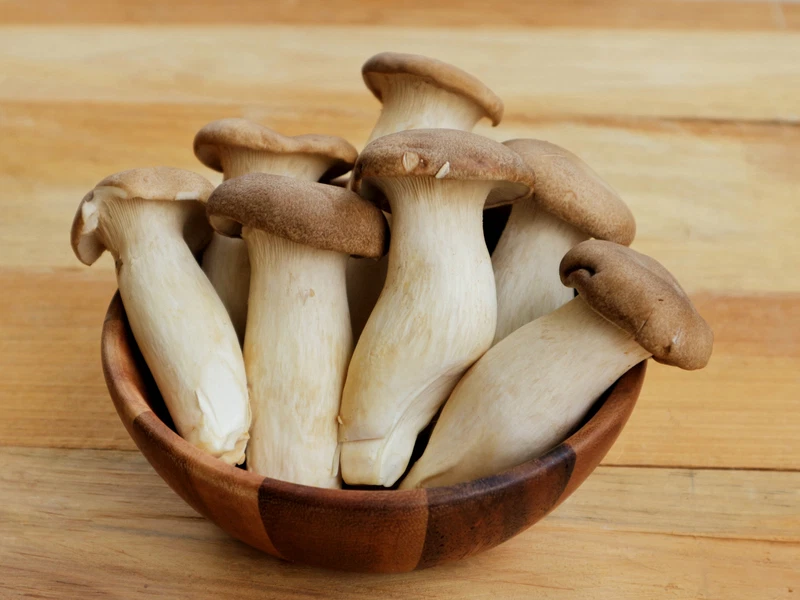
Oyster mushrooms
Vegetables and Fungus
Nutrients
Protein, Amino acids, Vitamins and Minerals
Pregnancy
Mums-to-be can eat delicious oyster mushrooms. They will help give you energy, boost your immune system and stimulate baby’s healthy development.
Postpartum
Mums can eat oyster mushrooms in the Selepas bersalin period. The protein in oyster mushrooms is higher than shiitake mushrooms, helping you prevent Selepas bersalin anemia. These mushrooms also contain 8 kinds of amino acids necessary for the human body and can especially help your body recover faster and re-gain strength and energy.
Breastfeeding
Breastfeeding mothers can eat oyster mushrooms. Oyster mushroom is a high-protein, low-fat, vitamin-rich fungus, especially suitable for mothers with diabetes and obesity.
Baby
You can introduce oyster mushrooms to your baby when he/she starts on solids at around 6 months of age. Delicious and rich in nutrients, these mushrooms help make your baby strong and healthy.
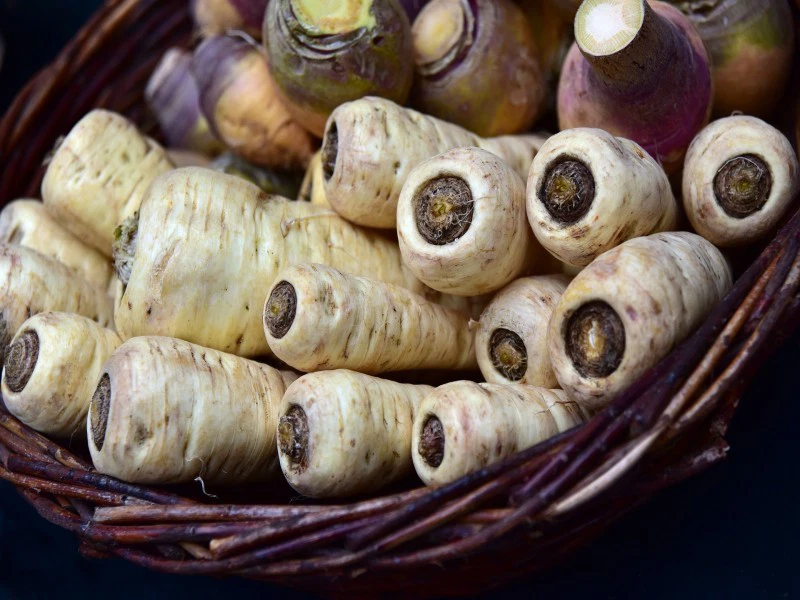
Parsnip
Vegetables and Fungus
Nutrients
Calories, Carbs, Fiber, Protein, Fat, Vitamin C, Vitamin K, Folate, Vitamin E, Magnesium, Thiamine, Phosphorus, Zinc, Vitamin B6
Pregnancy
Parsnip is a super healthy food for pregnant women. It is rich in potassium which can help lower blood pressure. It’s also a good source of dietary fibre and folate.
Postpartum
Parsnip helps new mothers to cope with postpartum depression.
Breastfeeding
It is very important to eat warming and nourishing foods during breastfeeding. Parsnip is a warm food which you can add to your diet.
Baby
Parsnips are full of vitamin C, lots of energy-enhancing B vitamins and a wide variety of minerals. Parsnips also provide lots of fiber that may help prevent digestive issues and colon problems down the road.
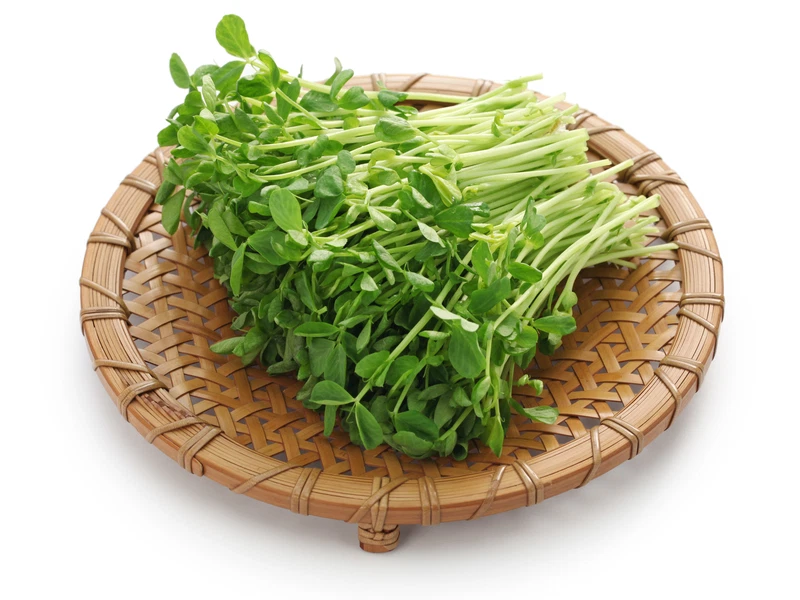
Pea shoots
Vegetables and Fungus
Nutrients
Beta Carotene, Magnesium, Folate, Lutein, Fibre, Chlorophyll
Pregnancy
Pregnant women can safely eat pea shoots. They contain folate which is essential for baby’s brain development and to prevent conditions like spina bifida. Other nutrients in pea shoots contribute to overall health while boosting immunity. Wash pea shoots well before cooking and do not eat them raw.
Postpartum
You can eat pea shoots during your Selepas bersalin period. Pea shoots contain a range of minerals, vitamins and other nutrients that can help you recover from birth faster. Magnesium and chlorophyll in pea shoots help remove toxins from your body and protect your liver.
Breastfeeding
Pea shoots are a great food for breastfeeding mums to include in a balanced diet. Just remember to wash the pea shoots well before consuming.
Baby
Pea shoots are rich in nutrients like magnesium and folate that can improve baby’s health and immunity. It’s best to introduce at around 8 months when your baby’s digestive system is better used to solids. Remember to wash them well before cooking.
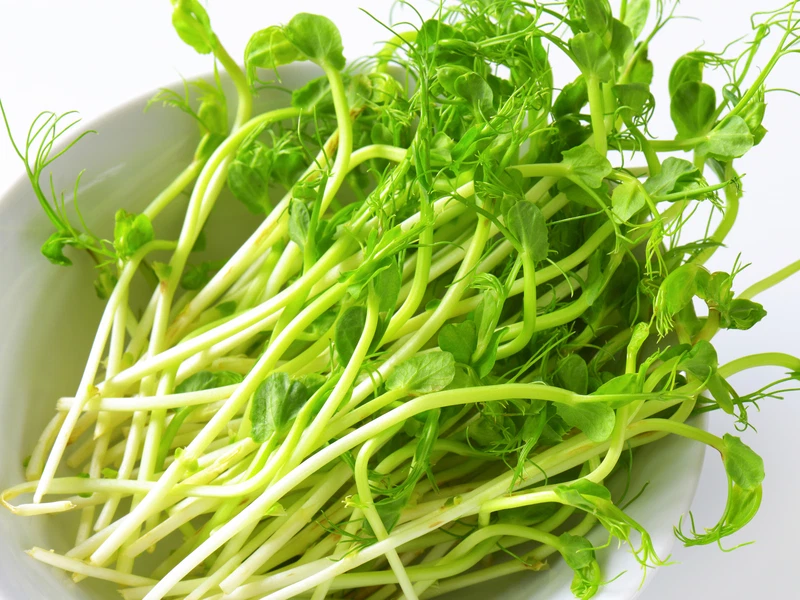
Pea sprout
Vegetables and Fungus
Nutrients
Calcium, Vitamin B, C, and Carotene, Ascorbic acid, Riboflavin
Pregnancy
Mums-to-be, it’s okay to eat pea sprouts, but always cook them and never eat them raw to avoid contamination. Eating pea sprouts may improve digestion, prevent diarrhea, reduce swelling and pain, increase disease resistance, and stimulate baby’s bone and brain development.
Postpartum
You can eat pea sprouts in your Selepas bersalin period. They help boost energy, restore physical strength, relieve Selepas bersalin edema, and prevent constipation. Remember to wash well before cooking or eating.
Breastfeeding
Yes, breastfeeding mummy, you can eat pea sprouts. Delicious and nutritious, they contribute to your health with a variety of vitamins and amino acids, improving your immunity.
Baby
Your little one can eat pea sprouts when he/ she is ready for solids at around 6 months of age. Pea sprouts can stimulate baby’s brain and bone development, and enhance baby’s resistance to mild illnesses.
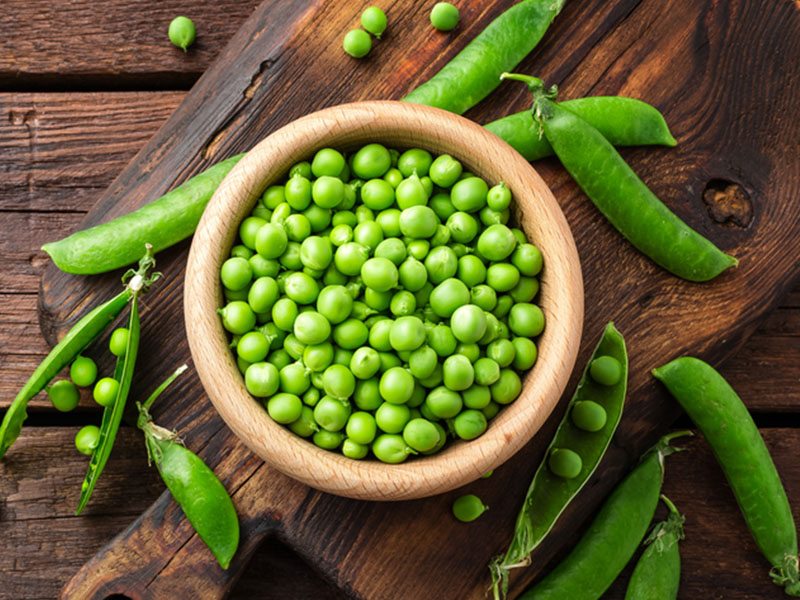
Peas
Vegetables and Fungus
Nutrients
Vitamin K, Manganese, Dietary fiber, Vitamin B1, Copper, Vitamin C, Phosphorus, Folate, Vitamin B6, Niacin, Vitamin B2, Molybdenum, Zinc, Protein, Magnesium, Iron, Potassium, Choline
Pregnancy
As you need folic acid for your healthy pregnancy, good sources like peas should always be welcomed. It is rich in fibre that eases your constipation and also boasts special substances that is anti-bacterial and anti-inflammatory. Peas are also rich in minerals and vitamins that together boost fetus’ immunity, growth, and development.
Postpartum
You should add peas to your diet after delivery as it has anti-bacterial and anti-inflammatory properties that help in faster recovery. The fibre in peas can relieve postpartum constipation as well. Plus, minerals and vitamins keep blood sugar in control and aid digestion.
Breastfeeding
You can consume peas even while breastfeeding. But limit your consumption as more than two cups a week can cause undesired bloating. Peas are rich in proteins and other essential nutrients that can help nourish your body, prevent constipation, and boost breastmilk secretion.
Baby
Your baby can eat peas as early as 6 months old. A great source of many nutrients, including folic acid, peas can help brain development.
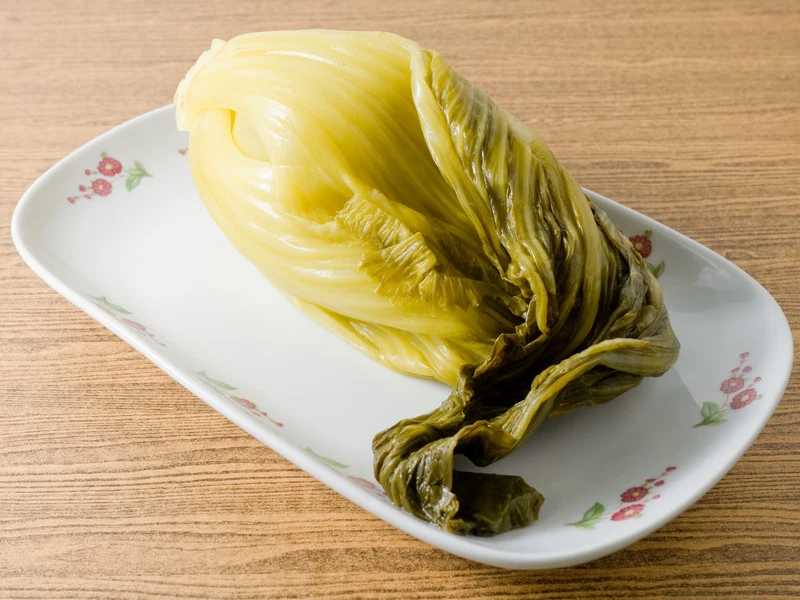
Pickled cabbage
Vegetables and Fungus
Nutrients
Carotene, Thiamine, Riboflavin, Vitamins, Minerals and Fibre
Pregnancy
If you’re craving something sour to eat, then go ahead and eat pickled cabbage. However, you should always choose fresh vegetables over pickled ones.
Postpartum
Pickled cabbage is good for you to eat after you give birth to your baby as it can prevent Selepas bersalin constipation. However, you should always choose fresh vegetables over pickled ones.
Breastfeeding
You can eat pickled cabbage while breastfeeding as it is very good for your digestive health. However, you should always choose fresh vegetables over pickled ones.
Baby
Although pickled cabbage contains lots of nutrients, it can cause digestion issues. Give it only to babies 10 months old and above and in tiny quantities.
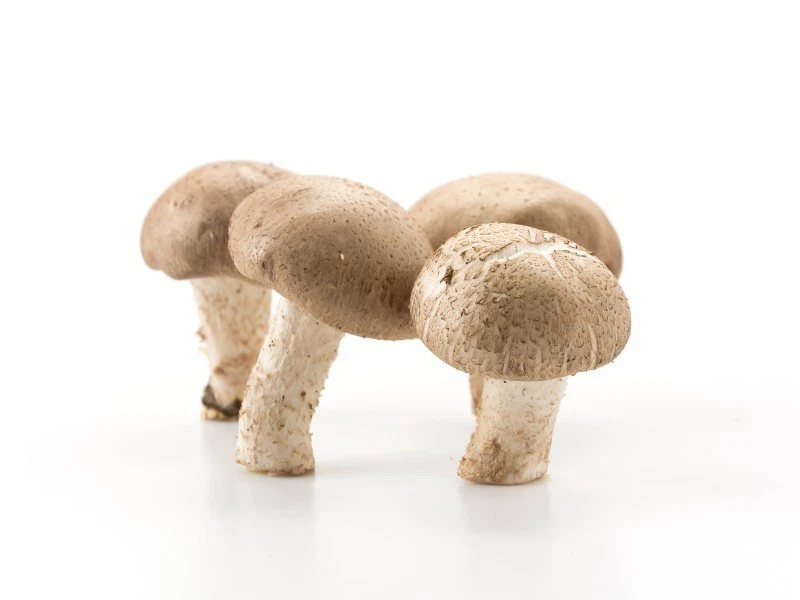
Porcini mushroom
Vegetables and Fungus
Nutrients
Carbohydrates, Fiber , Protein, Iron
Pregnancy
Porcini mushrooms, if cooked, are safe for pregnant women to eat.
Postpartum
Mushrooms are also anti-inflammatory and a good source of amino acids. Mushrooms should be fully cooked and should be consumed warm with broth to get the added benefits.
Breastfeeding
Porcini is safe to eat during breastfeeding. It reduces inflammation.
Baby
Mushrooms are an excellent source of non-animal protein, and also contain a good amount of dietary fiber.
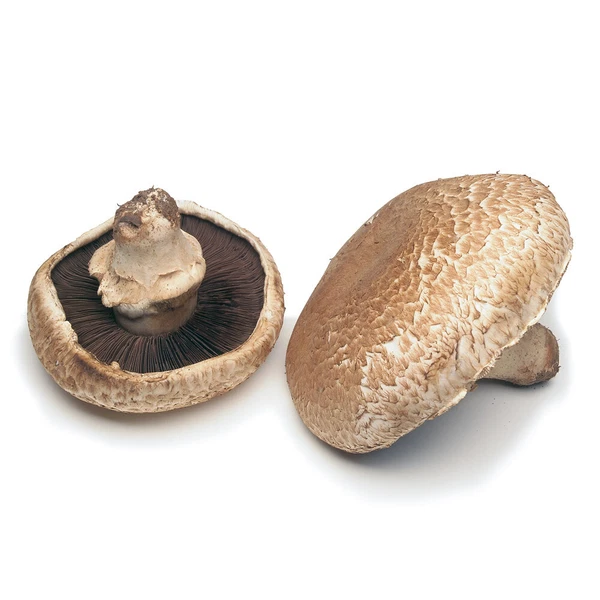
Portobello mushroom
Vegetables and Fungus
Nutrients
Calories, Protein, Fat, Fiber, Riboflavin, Niacin, Phosphorus, Potassium, Copper, Selenium
Pregnancy
You need to eat cooked portobello mushrooms during pregnancy. It is a powerful food that contains high in potassium, fibre, and folate. The B vitamins in portabella mushrooms are great for your baby’s red cell production and nervous system function.
Postpartum
Portobello mushrooms can increase metabolism in the body. Mushrooms are also a good source of proteins and contain Vitamin D which is very essential for growth.
Breastfeeding
It is perfectly safe and very good to eat mushrooms during breastfeeding. Essential nutrients present in the mushrooms will boost your immune system.
Baby
Portobello mushrooms should be introduced as soon as a baby is ready to start solids, which is generally around 6 months of age. Although it has many nutrients it can be a common choking hazard for babies.
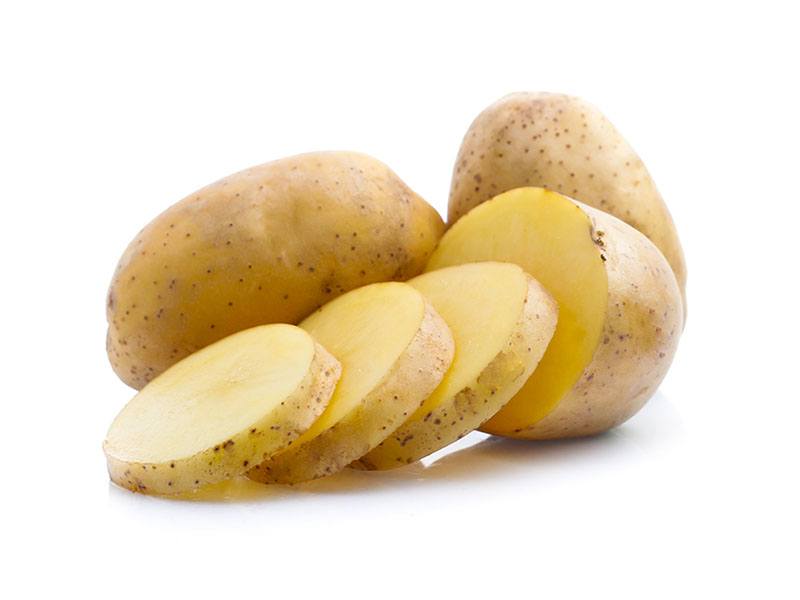
Potato
Vegetables and Fungus
Nutrients
Fibre, Potassium, Vitamin C, Folate, Vitamin B6
Pregnancy
Pregnant women can eat potatoes. They can stimulate digestion, improve your immunity and help your baby’s growth and development. Stay away from green potatoes, which may contain toxins.
Postpartum
Mothers can eat potatoes during the postpartum period, as they are a rich source of energy and minerals that will help your body recover faster.
Breastfeeding
Breastfeeding mothers can eat potatoes as it a rich source of energy. Some mums find that baked potatoes help to increase breast milk supply.
Baby
It is okay for your baby to eat potatoes, and many little one’s love the creamy texture and delicious taste of mashed potatoes. Offer as part of a balanced diet.
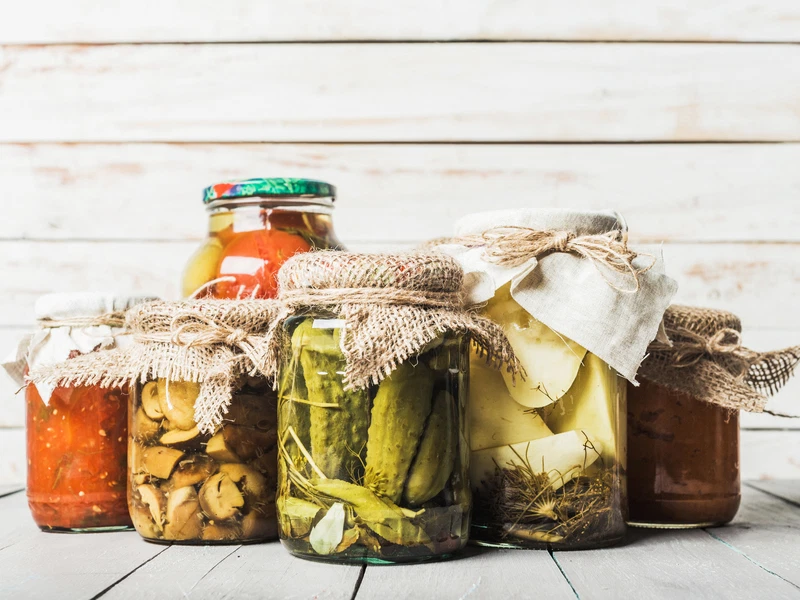
Preserved vegetables
Vegetables and Fungus
Nutrients
Sodium, Carotene and Magnesium
Pregnancy
Mums-to-be, it’s best to avoid eating preserved vegetables. The salt content can be extremely high. Also, they are often preserved with nitrites which are cancer-causing and can be harmful to you and your baby. It’s always best to eat fresh vegetables.
Postpartum
New mums should avoid preserved vegetables as they contain high levels of nitrite which are not good for your health.
Breastfeeding
Preserved vegetables, which contain a lot of salt and nitrites, are not beneficial for breastfeeding mums. It’s better to eat fresh vegetable, rich in high-quality nutrients.
Baby
Preserved vegetables are not suitable for babies or children of any age.
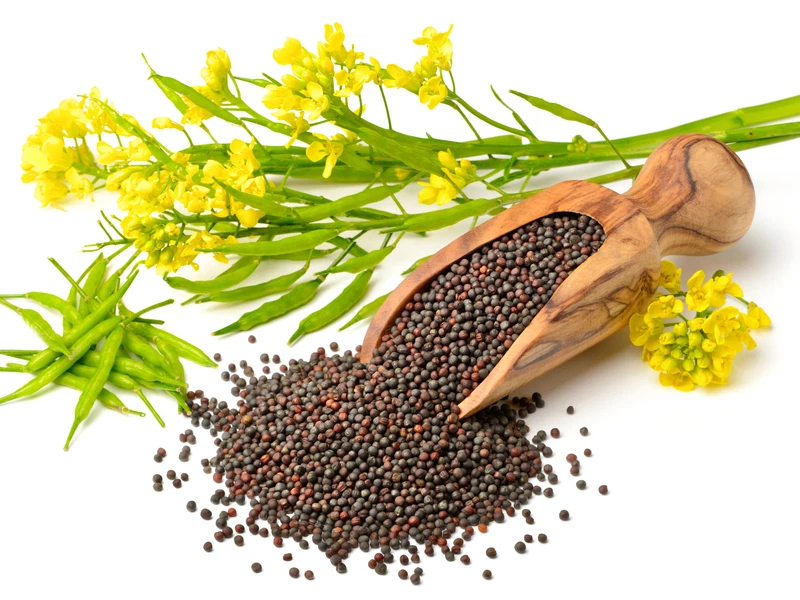
Rapeseed (Canola seed)
Vegetables and Fungus
Nutrients
Fatty acids, Vitamins K and A, Fibre, Carotenoids
Pregnancy
You may eat rapeseed in moderation, mums-to-be. It’s full of nutrients that are great for heart health, blood clotting and yours and baby’s eyesight. However, it may cause uterine contraction which is why you shouldn’t eat too much of these seeds.
Postpartum
You can eat rapeseeds during the Selepas bersalin month. These tiny seeds are rich in vitamins and dietary fibre. It helps you improve metabolism and prevent constipation. Its rich minerals can help prevent Selepas bersalin osteoporosis and anemia. In addition, rapeseeds may have a therapeutic effect on Selepas bersalin lochia.
Breastfeeding
Rapeseeds are good for breastfeeding mothers to eat. Rich in fatty acids, it could even work as a breastmilk booster. Additionally, the nutrients it contains help prevent osteoporosis and anemia, and improve maternal and child resistance to illnesses.
Baby
Your baby can eat rapeseed around 8-9 months old. Canola is rich in vitamins and carotenoids that boost your child’s immune system and help prevent mouth ulcers. Rapeseeds ares also rich in dietary fibre, which can prevent constipation. The calcium it contains builds strong bones and teeth. If your baby has diarrhea, don’t give rapeseeds.
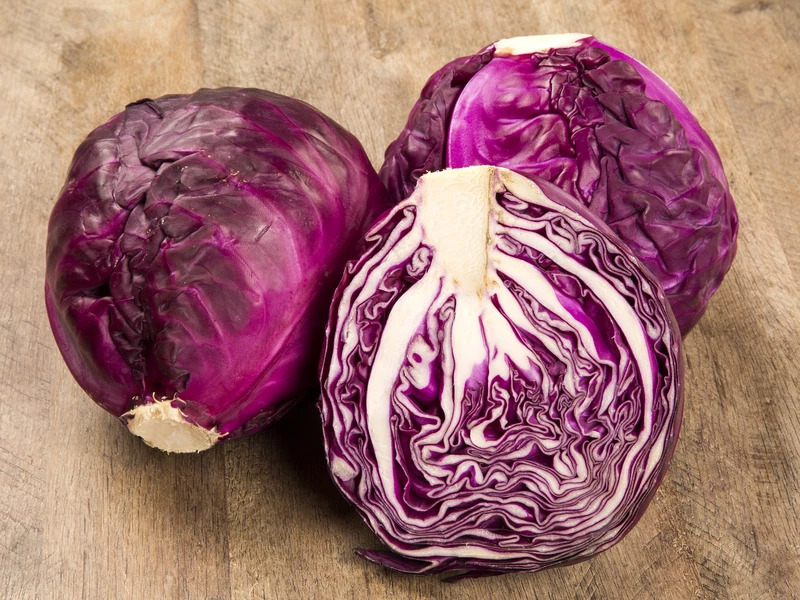
Red cabbage
Vegetables and Fungus
Nutrients
Thiamin, Riboflavin, Folate, Calcium, Iron, Magnesium, Vitamin A, K and B6, Potassium, Manganese, Phytoncide
Pregnancy
Yes you can eat red cabbage, mum-to-be. It is low in saturated fat and cholesterol and its nutrients protect you from illness, improve your skin, hair and nails and help prevent nueral tube deficiencies in your baby.
Postpartum
Red cabbage is beneficial for Selepas bersalin health. It contains phytoncide, which can help improve your immunity, promote digestion and nutrients absorption.
Breastfeeding
Mums, you can eat red cabbage during breastfeeding. Red cabbage is rich in nutrients and fresh in taste. Its many nutrients strengthen your resistance against illness, enabling you to breastfeed without a problem.
Baby
Your little one may eat red cabbage after he/she starts solids at 6 months of age. Red cabbage can provide a variety of nutrients for baby’s growth and development.
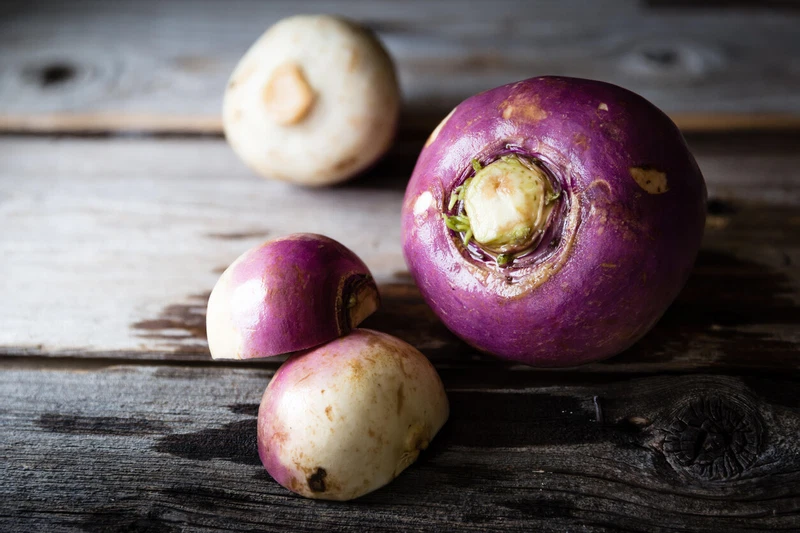
Rutabaga
Vegetables and Fungus
Nutrients
Calories, Carbs, Protein, Fat, Fiber, Vitamin C, Potassium, Magnesium, Calcium, Vitamin E
Pregnancy
You can eat Rutabaga during pregnancy and it does not cause any harmful side effects. However, if you are allergic to cruciferous vegetables, then please consult your doctor before consuming them.
Postpartum
Rutabaga is safe to consume for new mothers unless you are allergic to cruciferous vegetables.
Breastfeeding
Cruciferous Vegetables like Rutabaga have many proven health benefits. Its most prominent health benefit, the protection against some cancers, may even be passed down via mom’s diet during pregnancy and lactation. If you are allergic to cruciferous vegetables, then please consult your doctor before consuming them.
Baby
It is often recommended that rutabaga be introduced to babies between 8-10 months of age. Rutabaga is good for your child’s metabolism. It also strengthens the bones, boosts your child’s digestive functions, improves your child’s overall immunity, controls your child’s mood, induces proper sleeping habits for your child.
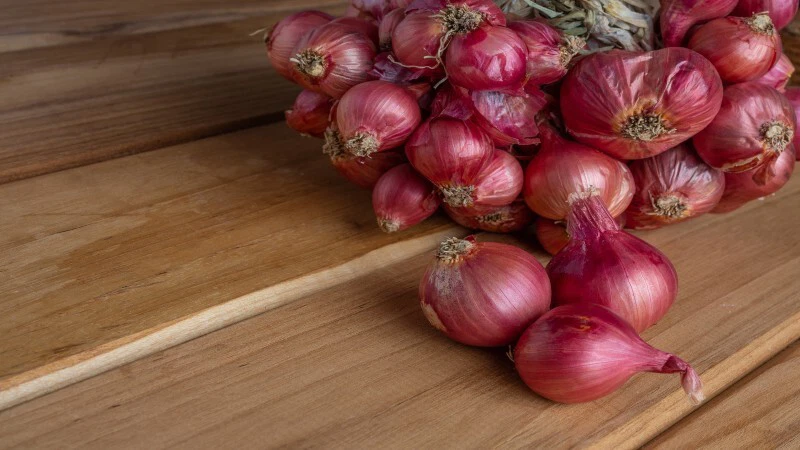
Shallots
Vegetables and Fungus
Nutrients
Calories, Protein, Fat, Carbs, Fiber, Calcium, Iron, Magnesium, Phosphorus, Potassium, Zinc, Folate
Pregnancy
Eating shallots pregnant happens to not be a risk for pregnancy. This vegetable will be edible by a pregnant woman. There are various measures to take before consuming it. However, the only risk that this vegetable could transmit is toxoplasmosis. Toxoplasmosis will be a pathology related to a parasite that will be present in water and soil.
Postpartum
If you are allergic to certain food elements, it is better to consult your dietician and then include such vegetables in your diet. People intolerant to shallots may suffer from red and itchy eyes.
Breastfeeding
Shallots are rich sources of essential nutrients and antioxidants. But excessive consumption of shallots can elevate the tendency of heartburn in lactating mothers.
Baby
You can give Shallots to your baby from 8 months. It contains essential minerals and vitamins.
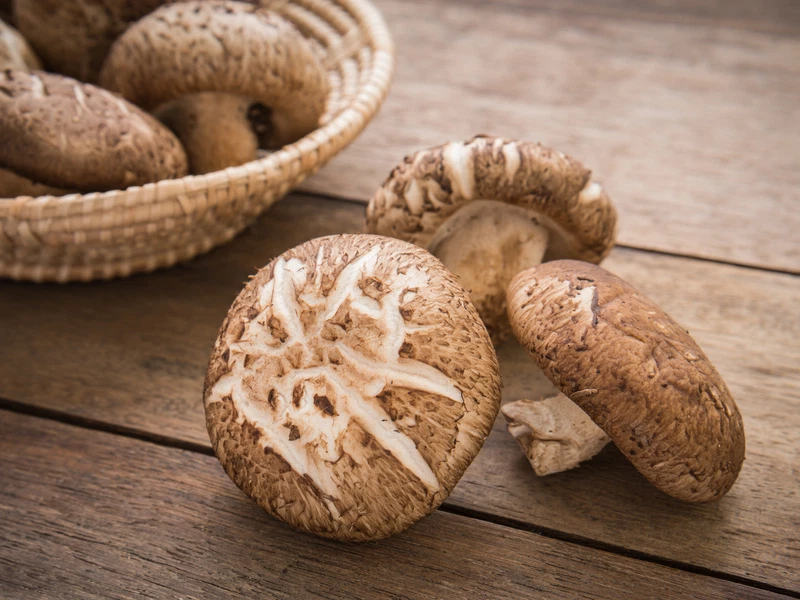
Shiitake mushrooms
Vegetables and Fungus
Nutrients
Vitamin B5, Copper, Niacin, Riboflavin, Fibre, Protein
Pregnancy
You can eat shiitake mushrooms during pregnancy. They are good for your liver health, enhance your immunity and boost the development of baby’s skeletal system.
Postpartum
Mummies can eat shiitake mushrooms during the Selepas bersalin period. These mushrooms are rich in high-quality protein and a variety of amino acids that can help your body recover faster and protect you from Selepas bersalin anemia. Shiitake mushroms can also help boost your immune system.
Breastfeeding
Yes, you can eat shiitake mushrooms while breastfeeding. These delicious mushrooms are rich in beta-glucans, which may help you produce more milk. Choose fresh shiitake mushrooms over the dried ones if possible.
Baby
Your baby can eat shiitake mushrooms once they start solids ataround 6 months old. These mushrooms are rich in vitamins and protein to make your baby healthy and strong. The mushroom cap also contains ribonucleic acid, which can help protect baby from catching colds by enhacing his/her immunity.
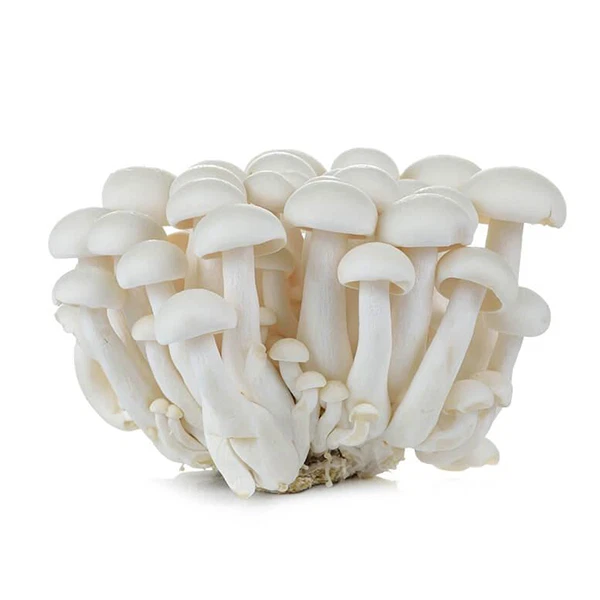
Shimeji mushroom
Vegetables and Fungus
Nutrients
Fiber, Carbohydrate, Potassium, Calcium, Zinc, Iron, Phosphorus
Pregnancy
Shimeji mushrooms show antioxidants and anti-inflammatory properties. As they are rich in nutrients they definitely should be included in the diet.
Postpartum
Shimeji mushrooms are good a source of beta-glucan thought to be the main lactation agent responsible for mushroom’s galactagogue properties.
Breastfeeding
Shimeji mushrooms increase the milk production in the mother and are extremely rich in potassium, calcium, phosphorus which are essential for the growth of the brain in babies.
Baby
Babies under the age of 1 should avoid the consumption of Shimeji mushrooms.
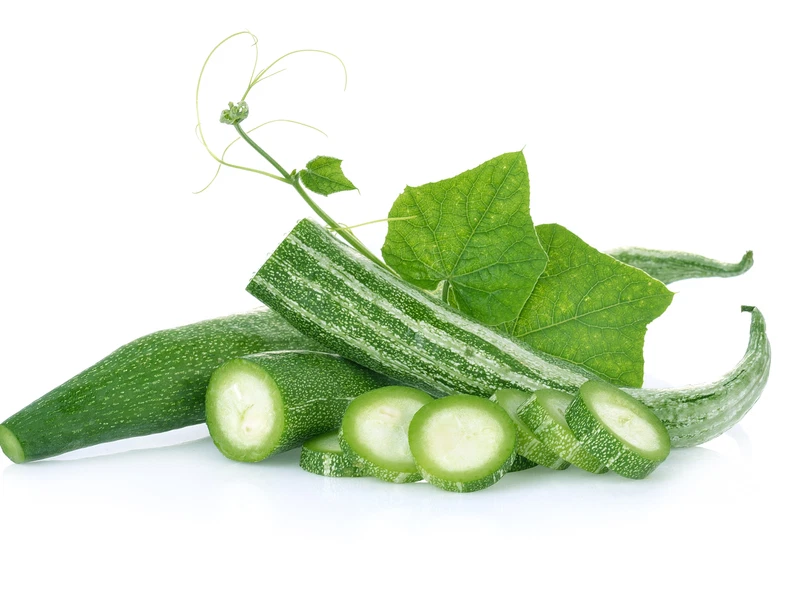
Snake gourd
Vegetables and Fungus
Nutrients
Vitamins A, B, C, Manganese, Magnesium, Calcium, Iron, Potassium, Iodine
Pregnancy
Mums-to-be, go ahead and eat this delicious vegetable. Its nutrients help detoxify the body, prevent constipation, and contribute to your baby’s healthy development.
Postpartum
You can eat snake gourd in your Selepas bersalin period. Its high potassium levels can help relieve Selepas bersalin fatigue. Nutrients like iron it contains increase physical strength and promote physical recovery.
Breastfeeding
Breastfeeding mums can eat snake gourd. It’s relatively pesticide free and is high in fibre, protein and vitamins making it a wonderful addition to your breastfeeding diet.
Baby
You can give snake gourd to your baby when he/she starts solids, at around 6 months of age. Baby’s growth will get a boost from the many nutrients in this vegetable. The fibre in snake gourd will keep your baby’s digestive system healthy.
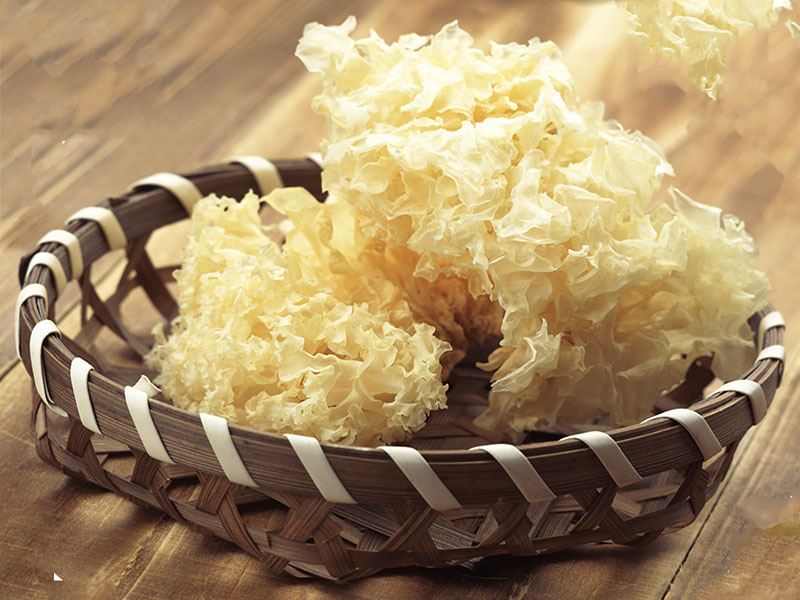
Snow fungus
Vegetables and Fungus
Nutrients
Vitamin D, Vitamin B2, Calcium, Iron, Potassium, Magnesium, Selenium, Amino Acids
Pregnancy
If you are craving for some snow fungus soup, you should get some, mummy-to-be! The fungus is rich in natural gelatin that helps your connective tissues and makes your skin glow. The fibre helps with digestion.
Postpartum
Postpartum mothers can eat snow fungus. Rich in vitamin D, eating this fungus helps strengthen your bones. Iron in snow fungus helps prevent postpartum anemia.
Breastfeeding
You can eat snow fungus when breastfeeding. The fungus is rich in nutrients which can improve mother’s and child’s immunity. In addition, fibre in snow fungus help you in digestion, as well as maintain your lipid balance.
Baby
Snow fungus is not suitable for babies under the age of 11 months.
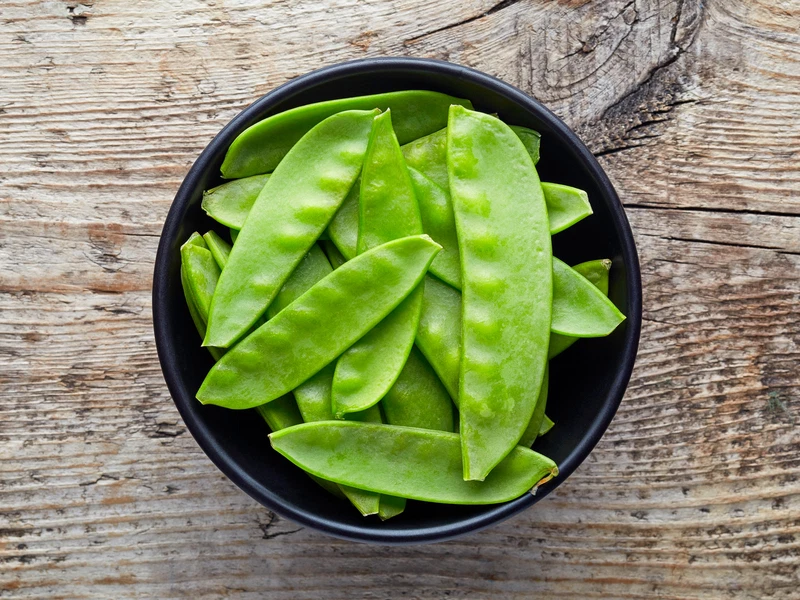
Snow pea
Vegetables and Fungus
Nutrients
Riboflavin, Vitamins B6, A, C and K, Pantothenic Acid, Magnesium, Phosphorus, Potassium, Fibre, Thiamin, Folate, Iron and Manganese
Pregnancy
Snow peas are fine for mums-to-be to eat. They boost immunity, protect against diseases like cancer and help baby develop well. The fibre helps prevent constipation.
Postpartum
Yes, you can eat snow peas in your Selepas bersalin period. Snow peas have anti-bacterial and anti-inflammatory properties. Consuming them can improve your metabolism and immunity, stimulate digestion, and help your recovery.
Breastfeeding
You can eat snow peas while nursing. Eat them often to ensure a healthy, balanced diet that breastfeeding mums should eat.
Baby
Your little one can eat yummy snow peas at around 8 months of age. Rich in vitamins and carotene, giving your baby snow peas to eat will help his/her growth, protect vision, and boost immunity. Always wash the snow peas well before cooking them.
Spelt
Vegetables and Fungus
Nutrients
Carbs, Fiber, Protein, Fat, Manganese, Phosphorous, Vitamin B3 (Niacin), Magnesium, Zinc, Iron
Pregnancy
Pregnant women can eat Spelt. It is full of nutrients and digests easier. Spelt is high in fibre and helps to prevent constipation during pregnancy. As Spelt contains gluten, you should avoid spelt if you have celiac disease or gluten intolerance.
Postpartum
Spelt will keep you feeling fuller longer and may help you lose the baby weight.
Breastfeeding
Having Spelt will give you an added boost of protein which is very essential during breastfeeding.
Baby
Spelt is beneficial for babies. It contains several essential minerals that play a stellar role in strengthening bones. It also boosts the immunity system. While spelt Increases energy in babies. It stimulates growth and development. But Spelt contains gluten. Therefore, you should avoid spelt if your baby has celiac disease or gluten intolerance.
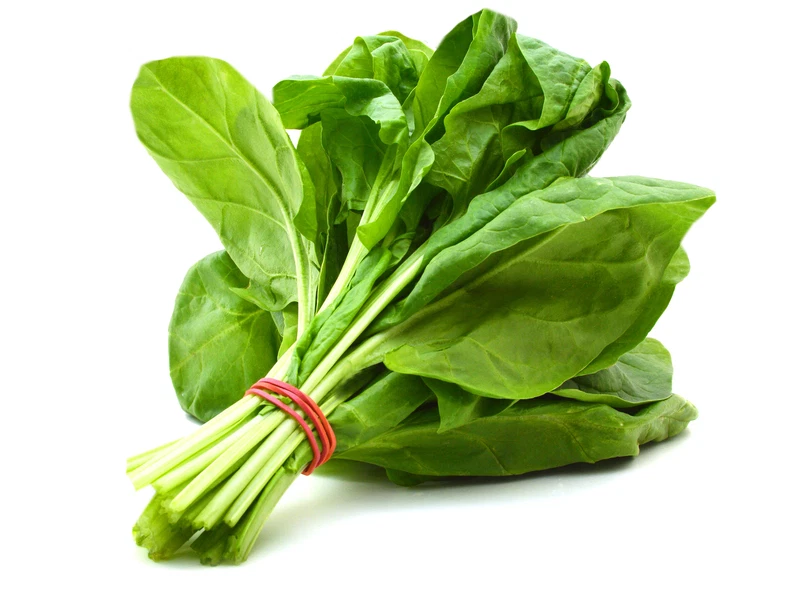
Spinach
Vegetables and Fungus
Nutrients
Vitamin A, C, E, and K, Calcium, Magnesium, Folate, Potassium, Iron, Copper, Omega 3 fatty acids, Fibre, Flavonoids
Pregnancy
You can eat spinach during your pregnancy. Spinach can help prevent anemia, maintain your blood pressure and relieve constipation. It is also good for your baby’s bone development.
Postpartum
Go ahead and eat spinach after you give birth. A wonderful source of iron, spinach can help prevent anemia especially if you lost a lot of blood during birth.
Breastfeeding
You can eat spinach while breastfeeding. It is rich in nutrients to provide the nourishment you need to produce milk and continue breastfeeding your child.
Baby
Spinach is great for your baby to eat once he/she is ready for solids at 6 months of age. This dark green leafy vegetable is packed with nutrients that will give your baby strong bones and teeth, beautiful skin and hair and a healthy body.
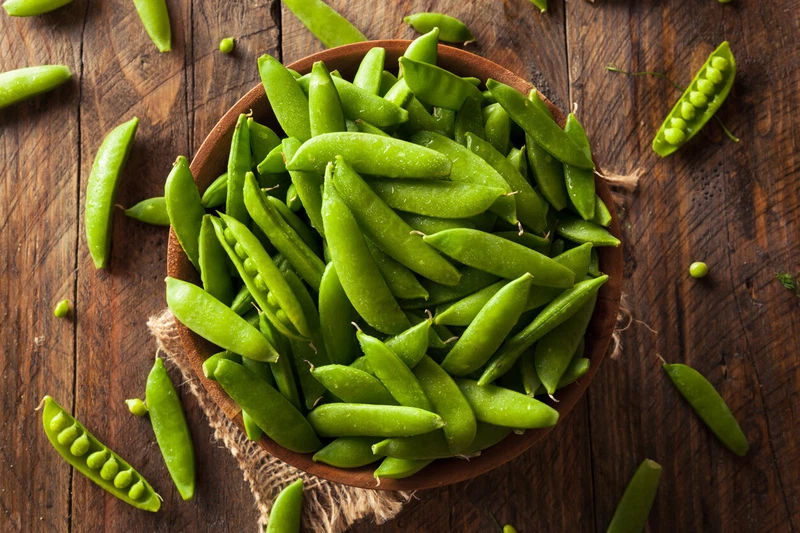
Sugar snap peas
Vegetables and Fungus
Nutrients
Calories, Carbs, Fiber, Protein, Vitamin A, Vitamin C, Vitamin K, Folate, Magnesium, Phosphorus, Potassium, Manganese
Pregnancy
In the last stage of pregnancy, your calorie intake needs to be increased. As it supports the growth of your baby. You can have sugar snap peas as a healthy snack.
Postpartum
Sugar snap peas are light on the stomach and make an easy snack for a new mother.
Breastfeeding
You can eat sugar snap peas during breastfeeding. It is a super healthy breastfeeding snack.
Baby
Sugar snap peas are difficult to chew into digestible pieces. Therefore it is best to introduce them to your baby after 15 months.
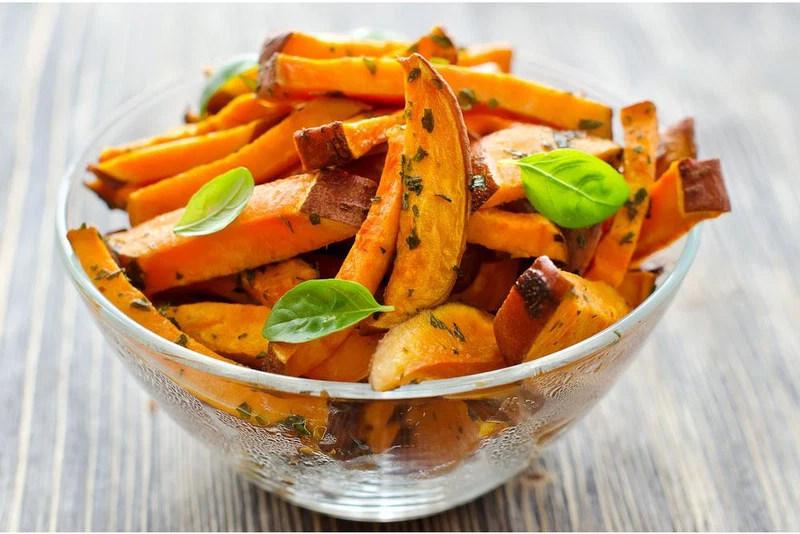
Sweet potato
Vegetables and Fungus
Nutrients
Fibre, Vitamin A, Vitamin C, Vitamin B6, Potassium, Small amounts of calcium, Iron, Magnesium, Phosphorus, Zinc, Vitamin E, Thiamin, Riboflavin, Folate
Pregnancy
Pregnant women can eat sweet potato. The nutrients present in sweet potatoes help stimulate digestive movement and prevent constipation. However, control your daily intake as too much vitamin A in the body is linked to miscarriage, stillbirth and birth defects.
Postpartum
After giving birth, you are allowed to eat sweet potatoes but, in controlled quantities. Eating sweet potatoes can boost immunity, improve the digestive system and prevent constipation.
Breastfeeding
You can eat sweet potatoes during breastfeeding. Vitamin A in sweet potatoes is beneficial for the development of vision and the immune system of babies.
Baby
Sweet potatoes are safe to be offered as baby’s first food (at 6 months+). Sweet potatoes are rich in vitamins and minerals, which are important for the healthy development of the baby.
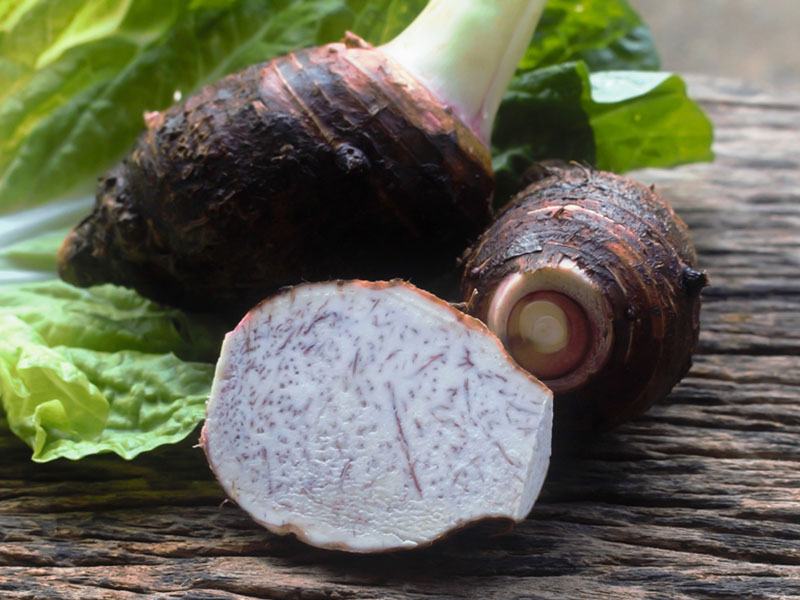
Taro
Vegetables and Fungus
Nutrients
Potassium, Calcium, Magnesium, Phosphorus, Folate, Fibre, Vitamins A, C, B and E, Iron, Florine, Starch, Carbohydrates
Pregnancy
If you are pregnant, taro leaves are good for you as they may reduce symptoms such as constipation and cramps during pregnancy.
Postpartum
You can eat taro after giving birth to your baby. The starch and carbs will give you much-needed energy to recover faster and the iron will help replenish lost blood.
Breastfeeding
You can eat taro during breastfeeding. Some mums find it increases their breast milk production. What’s more, because taro is high in carbs and starch, it gives you loads of energy to continue nursing.
Baby
Babies can eat mashed taro, which can stimulate their teeth and vision development, and help grow stronger bones.
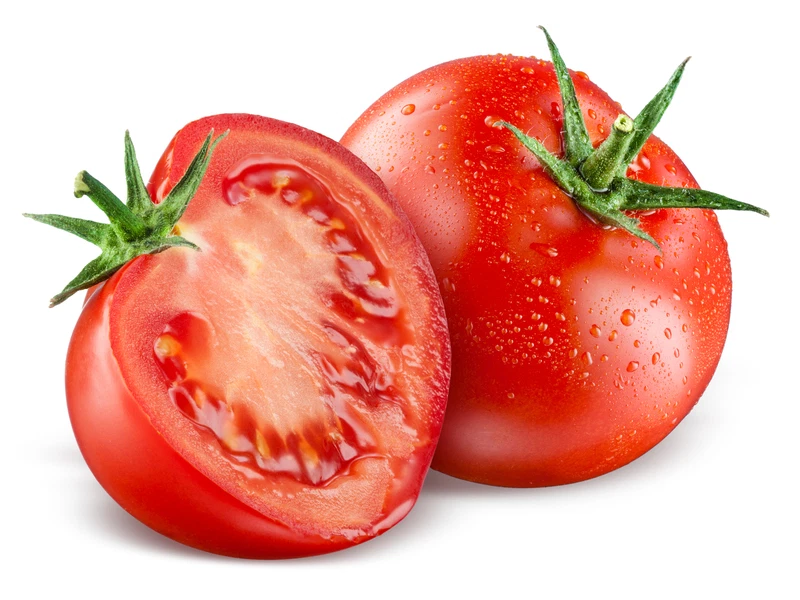
Tomato
Vegetables and Fungus
Nutrients
Vitamin C, Carotenoids, Lycopene, Potassium, Folate, Vitamin K
Pregnancy
Mums-to-be can eat tomatoes. They can help relieve morning sickness and the high levels of vitamin C improve your immunity. The folate in tomatoes is good for your baby’s brain development.
Postpartum
You can eat tomatoes during the Selepas bersalin period as they help your body recover faster, improve your immunity and help reduce pigmentation and stretchmarks. For your body to absorb lycopene best, tomatoes should be cooked for a long time and/or consumed along with a healthy fat.
Breastfeeding
Tomatoes are good for breastfeeding mothers as they boost your immunity, improve your skin tone and quench thirst.
Baby
Your little one can eat tomatoes when he/she starts solids at 6 months. They can improve your baby’s immunity and prevent sickness.
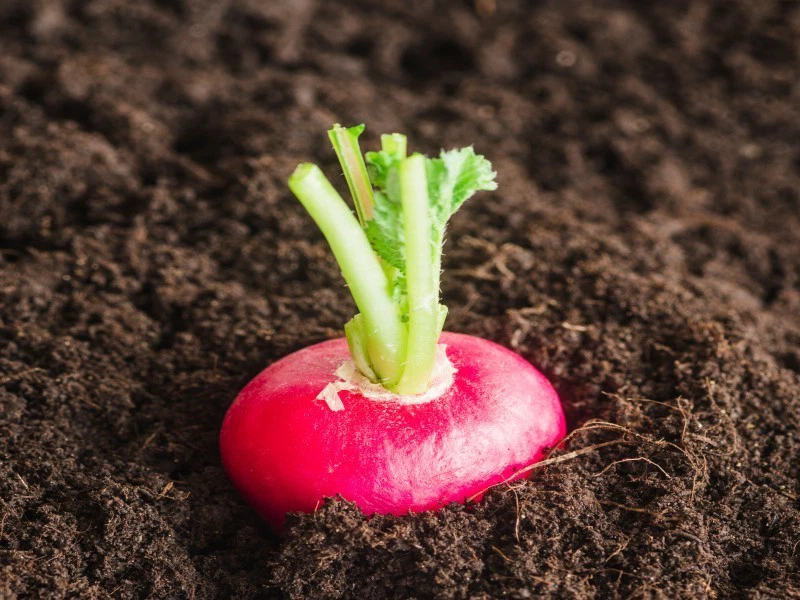
Turnip
Vegetables and Fungus
Nutrients
Calories, Carbs, Fiber, Protein, Vitamin C, Folate, Phosphorus, Calcium
Pregnancy
Eating Turnip is absolutely safe during pregnancy period, unless you are allergic to cruciferous vegetables. It is a rich source of vitamins and minerals which make you and baby healthy.
Postpartum
During postpartum you can eat turnip but you must eat cooked Turnip.
Breastfeeding
Though turnip is rich in many nutrients it may cause awful gas for your baby and you.
Baby
You can introduce turnips your six months old baby. It contains vitamin C and vitamin B, which is essential to ensure the nervous system develops properly.
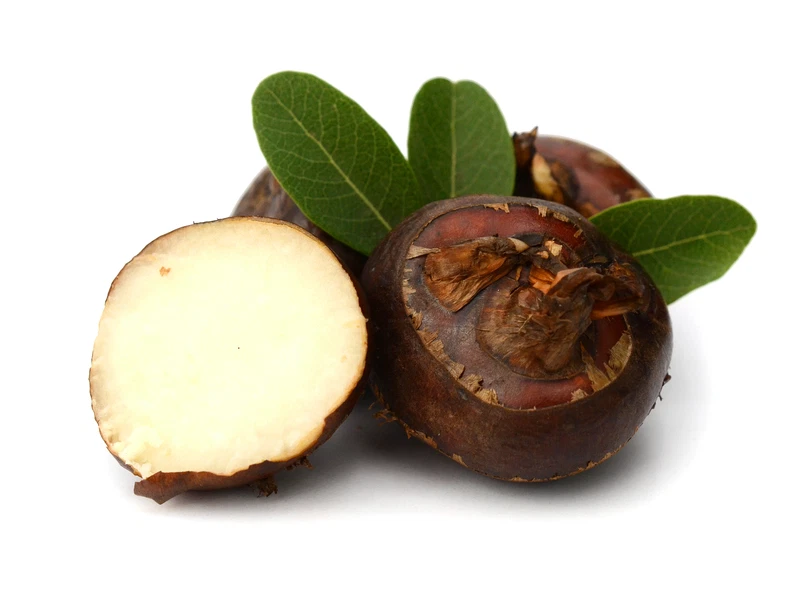
Water chestnut
Vegetables and Fungus
Nutrients
Protein, Calcium, Potassium, Phosphorus, Carotene, and Dietary fibre
Pregnancy
Mums-to-be can eat water chestnuts in moderation. It’s best to avoid these nuts in the first and last trimesters as they may stimulate uterine contractions. But go ahead and consume them in the second trimester. Its nutrients give your baby strong bones, and prevent constipation.
Postpartum
You may eat water chestnuts during your Selepas bersalin period. With a multitude of minerals and vitamins, these nuts will help re-energise you after giving birth and give you strength. Try water-chestnut seafood soup or water-chestnut pork belly soup.
Breastfeeding
You can safely eat water chestnuts while breastfeeding. With nutrients that have anti-bacterial and anti-inflammatory properties, water chestnuts can help protect you and your baby against illnesses like the common cold.
Baby
Water chestnuts are not suitable for babies under the age of 11 months.
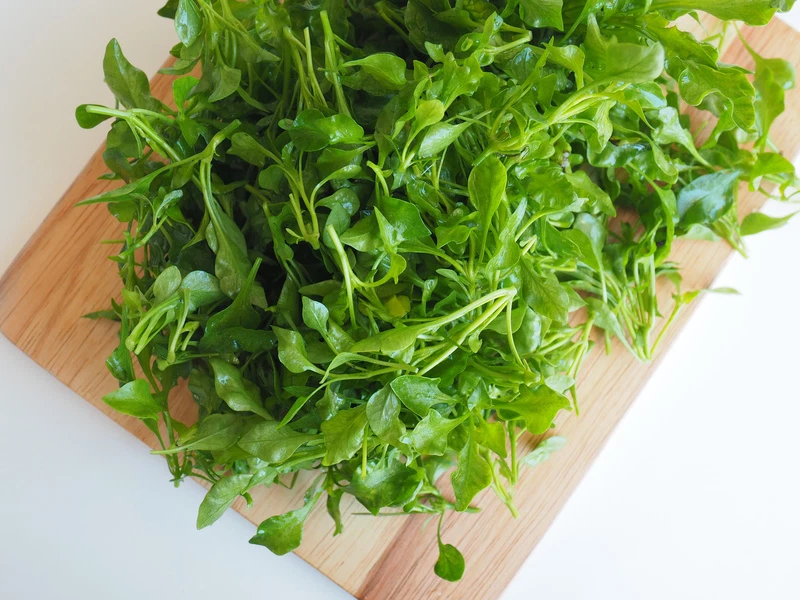
Watercress
Vegetables and Fungus
Nutrients
Vitamin C, E, B6, Thiamine, Riboflavin, Folate, Pantothenic acid, Magnesium, Phosphorus, Potassium, Sodium, Copper, Calcium
Pregnancy
Although watercress is rich in nutrients, it might stimulate uterine contractions, leading to miscarriage. Avoid it, mums-to-be.
Postpartum
Watercress is a good green vegetable to boost your immune system after birth and give you strength.
Breastfeeding
Watercress contains a lot of vitamin C and calcium, which can help breastfeeding mothers feel energised.
Baby
Watercress can help boost baby’s brain development, increase memory, and improve baby’s disease resistance. Give it when baby starts solids at 6 months of age.
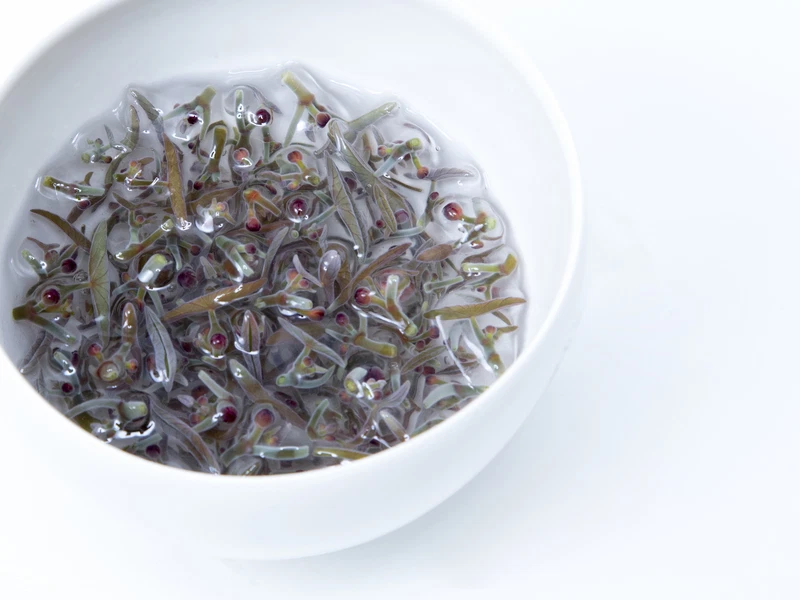
Watershield (Junsai)
Vegetables and Fungus
Nutrients
Vitamins B, C, E, Zinc, Iron, Calcium
Pregnancy
Mums-to-be, go slow on eating this Japanese vegetable. While it contains a variety of vitamins and minerals that detoxify your system and help prevent anemia, eating too much of it may cause stomach discomfort.
Postpartum
You can eat watershield in the post-partum period in moderation. It’s true that its nutrient content is rich and varied, benefitting your Selepas bersalin healing process. But eating too much watershield might cause stomach discomfort.
Breastfeeding
Breastfeeding mummies can eat watershield in moderation. Watershield is rich in nutrients that are good for liver and kidney health and helps boosts your immunity. But some mums find that their babies get gassy after mummy eats water shileld. So don’t eat too much of it.
Baby
Watershield is not suitable for babies under the age of 11 months.
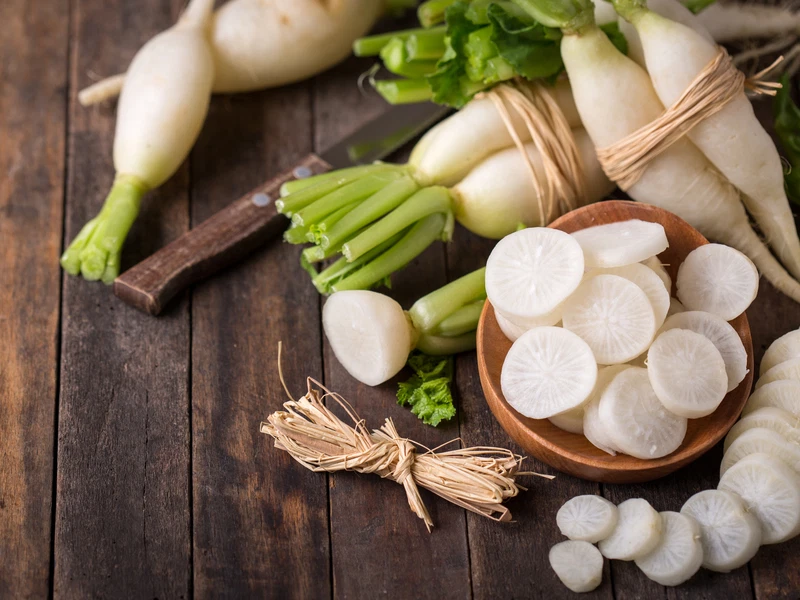
White radish
Vegetables and Fungus
Nutrients
Potassium, Folate, Calcium, Iron, Vitamin C, A, B, Zinc, Manganese
Pregnancy
Mums-to-be can eat white radish during pregnancy, but with caution. It contains nutrients good for your liver’s health, promoting toxin elimination and improving the flow of urine. It also boosts the development of your baby’s circulatory and skeletal systems and various organs. But it may cause digestive issues and discomfort.
Postpartum
White radish has a great mix of nutrients that can help give you energy and strength after labour. However, some mums experience gas and stomach discomfort after eating white radish.
Breastfeeding
White radish is okay for breastfeeding mothers to eat, as it contains a good range of nutrients. Some breastfeeding mums even find it increases their breastmilk supply. However, other mums experience stomach discomfort after eating white radish.
Baby
White radish is not suitable for babies under the age of 11 months.
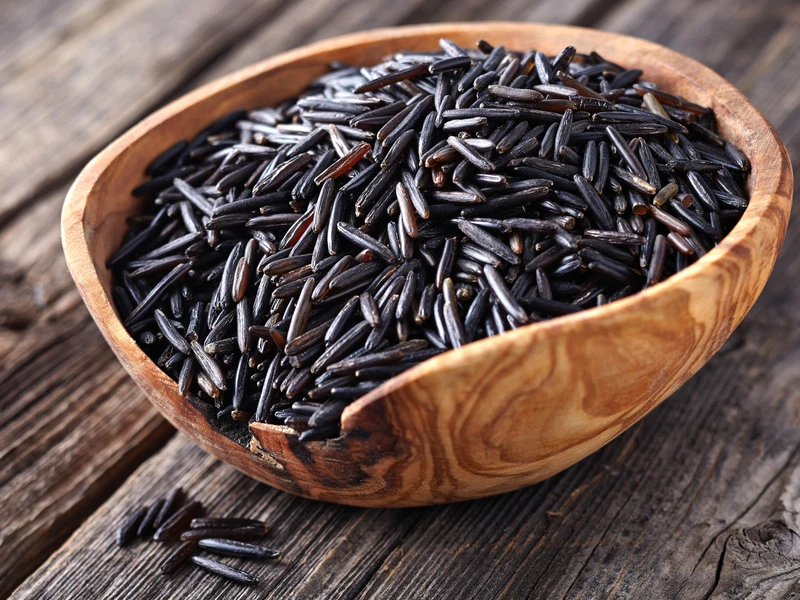
Wild rice
Vegetables and Fungus
Nutrients
Amino acids, Proteins, Carbohydrates, Dietary fibre, Carotene, Vitamins, Magnesium
Pregnancy
Mums-to-be can eat wild rice. Eating wild rice may help protect you from inflammation, detoxify your body, prevent constipation and improve your skin and hair. It is also rich in carotene and vitamins, which can encourage your baby’s visual development.
Postpartum
Wild rice is a healthy alternative to white rice, and is suitable to eat in your Selepas bersalin period. Rich in carbohydrate and protein, it can relieve fatigue, and promote body recovery. The high fibre content in wild rice means that by eating it, you’re looking after your digestive health too.
Breastfeeding
Wild rice is rich in nutrients and suitable for breastfeeding mothers. It is rich in minerals to boost your health, and with carbs for lots of energy to breastfeed.
Baby
Wild rice is great for babies, but because it is a low GI food, wait until baby’s digestive system is slightly matured (around 8-9 months) before you introduce it.
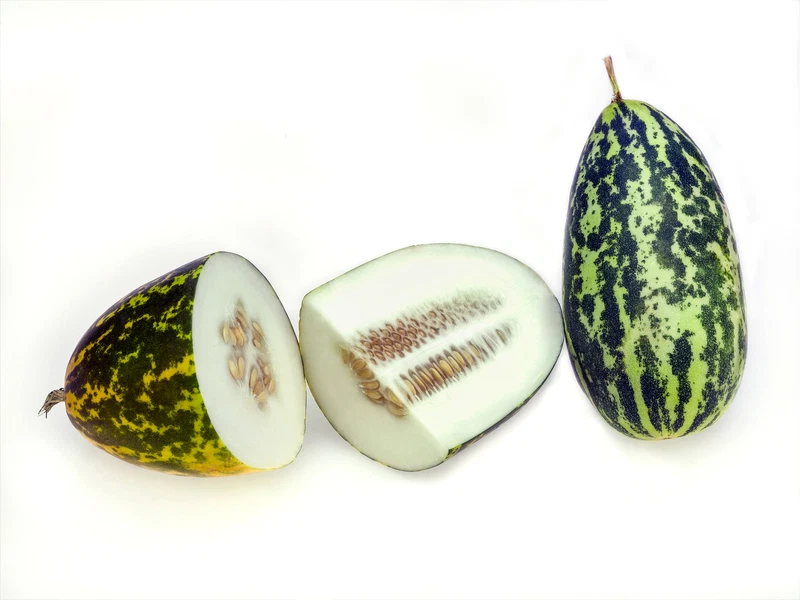
Winter gourd
Vegetables and Fungus
Nutrients
Vitamin C and Potassium, Protein, Carbohydrates, Calcium, Iron, Zinc, Folic acid, Niacin
Pregnancy
Mums-to-be, you can eat winter gourd. Winter gourd protects your heart’s health.Packed with nutrients, it can quench your thirst, reduce inflammation, and effectively prevent edema during pregnancy. Folic acid and niacin found in winter gourd can prevent fetal malformation. It can also stimulate baby’s brain development.
Postpartum
You can eat winter gourd during the Selepas bersalin period. Winter gourd is rich in nutrients that can help relieve swelling, prevent Selepas bersalin constipation, and improve disease resistance.
Breastfeeding
You can eat winter gourd while breastfeeding. The vitamins and minerals in it will help keep you healthy. Some mums say eating winter gourd helps them slim down.
Baby
Your little one can eat winter gourd when he or she is ready for solids at around 6 months of age. The taste is sweet and mild which baby will surely to love. Winter gourd not only helps baby grow well, but also helps prevent constipation.
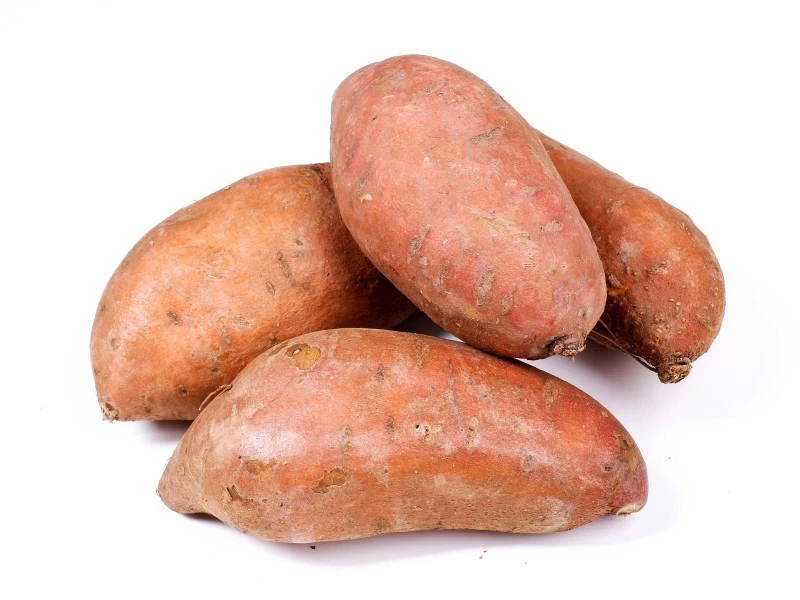
Yam
Vegetables and Fungus
Nutrients
Calories, Carbs, Protein, Fat, Fiber, Vitamin C, Vitamin B5, Manganese, Magnesium, Potassium, Thiamine, Copper, Folate, Iron
Pregnancy
Yams taste delicious and absolutely healthy when cooked well. It provides proper nutrients so that the baby grows and develops in a healthy way.
Postpartum
Yams are very nutritious and can serve as a good source of energy. They are rich in iron and copper which is important for formation of red blood cell and blood circulation.
Breastfeeding
Yam has a high level of vitamin C and other antioxidants which help to boost immune system of new mothers. On the other hand, yam can cause colic in your baby if you are breastfeeding.
Baby
Yam has a high content of vitamin C and antioxidant which are beneficial to your baby’s immune system. It is also rich in fluoride which can help to protect your child’s teeth. You can give Yam to your baby in moderation from 7th month.
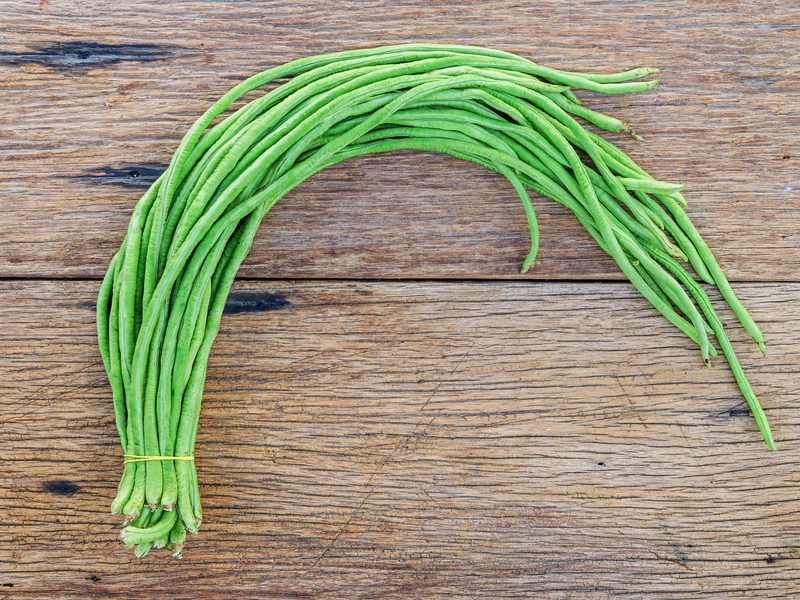
Yard-long beans
Vegetables and Fungus
Nutrients
Folate, Vitamins A and C, Thiamin, Iron, Riboflavin, Fiber
Pregnancy
Pregnant women can eat yard-long beans, which are both delicious and nutritious. Also, they are one of the finest sources of folate, which is essential for your baby’s brain development. It also helps improve your immunity and stimulate baby’s bones and brain development.
Postpartum
You can eat yard-long beans in your Selepas bersalin period. The beans are rich in many nutrients that are good for spleen and kidney health and aid digestion.
Breastfeeding
Breastfeeding mums can eat yard-long beans. The beans contain many vitamins and minerals that can promote good blood circulation, regulate blood pressure, improve your skin tone and boost your immunity. And when you are a healthy breastfeeding mother, your baby is healthy too.
Baby
Your baby can eat yard-long beans when he or she is ready for solids at around 6 months of age. The beans contain folate for baby’s brain health, vitamin A for good eyesight and vitamin C for immunity power. The fibre in yard-long beans helps keep baby’s digestive system healthy and prevents constipation.
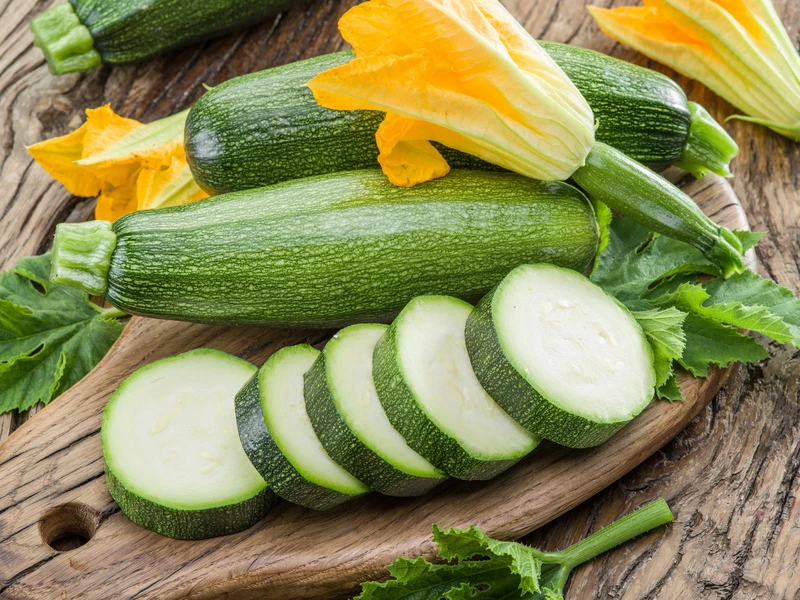
Zucchini
Vegetables and Fungus
Nutrients
Fibre, Vitamins – Riboflavin, Fructose, Carotene. Minerals – Phosphorus, Calcium, Iron
Pregnancy
Expectant women can eat zucchini. It contributes to a balanced diet, enhances baby’s development, and can even help prevent edema (swelling) that may occur in the third trimester.
Postpartum
Go ahead and eat zucchini during your Selepas bersalin period. Zucchini is highly nutritious, and the protein and carbohydrate it contains can help ward off anemia and give you energy after childbirth.
Breastfeeding
Lactating mothers can eat zucchinis. Rich in dietary fibre and carbs, this vegetable can help prevent constipation and provide you with much needed energy to breastfeed.
Baby
Your little one can eat zucchini when he/she starts solids at around 6 months of age. Vitamin C-rich zucchini contributes to baby’s growth. Other nutrients like protein and minerals improve immunity.