

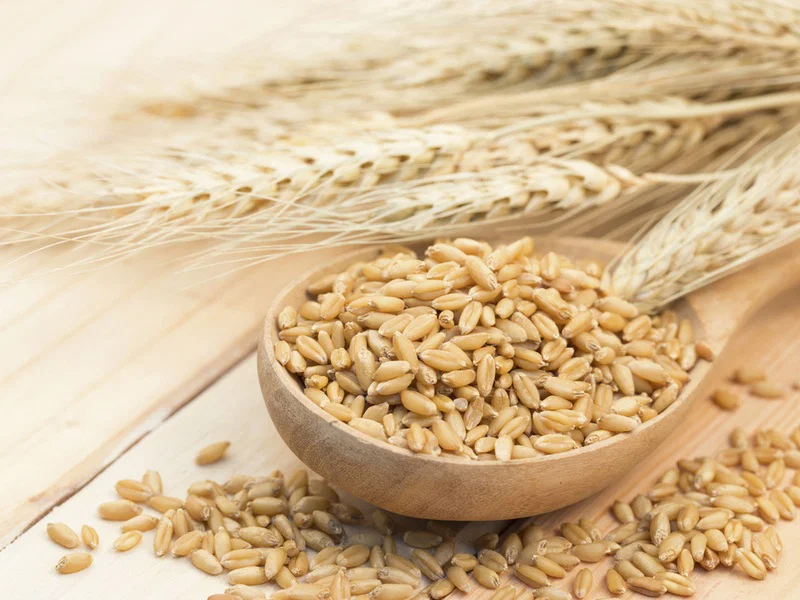
Barley
Whole Grains
 Nutrients
Fibre, Calcium, Iron, Thiamin, Riboflavin, Niacin, Vitamin B6, Folate, Magnesium, Phosphorus, Potassium, Zinc
 Pregnancy
Barley can be eaten in small amounts during pregnancy. It helps lower cholesterol, blood pressure, and blood sugar. Avoid eating barley in large amounts due to the small risk of miscarriage. Avoid sprouted barley due to the risk of bacteria that may cause infections.
 Postpartum
The nutrients in barley are excellent for your skin and hair.
Breastfeeding
Some mums find that consuming barley increases their milk production. You could try adding whole barley to soups, salads, and stew to boost breast milk supply.
Baby
If your baby is allergic to wheat, hold off on introducing barley, as he or she might be allergic to barley as well. Wait until your baby is 10-12 months before introducing barley water.
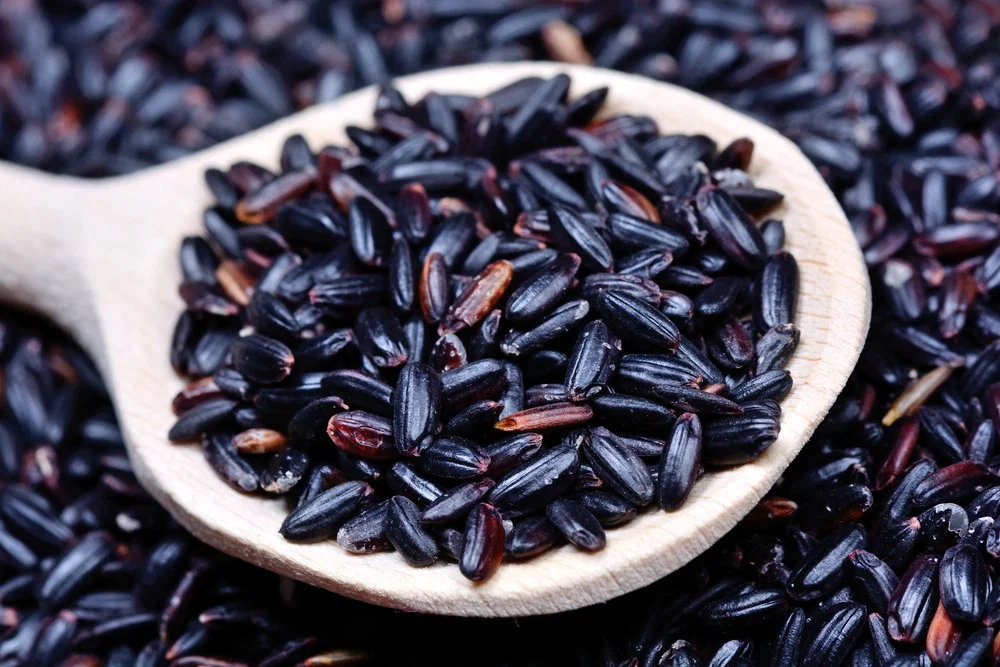
Black rice
Whole Grains
Nutrients
Antioxidants, Fibre, Proteins, Phytonutrients, Vitamin E, Phosphorus, Carbohydrates, Zinc, Potassium
Pregnancy
Mum-to-be, you can eat black rice as the vitamin, mineral, and fibre content in this grain is higher than ordinary white rice. Eating black rice can help prevent iron deficiency and anemia and promote baby’s development.
Postpartum
It is fine to eat black rice during the postpartum period. Black rice contains nutriets and antioxidants, all of which can help eliminate iron deficiency and anemia, nourish the body, and refresh energy.
Breastfeeding
Breastfeeding mothers can eat black rice. It contains several nutrients and antioxidants that aid in increasing immunity and nourishing your body.
Baby
Your baby can eat black rice once they start on solids at around 6 months. However, it might be hard for baby to digest, so you need to cook it as soft as possible. Because of its rich nutrients and antioxidants, black rice is good for your baby’s bones and brain development.
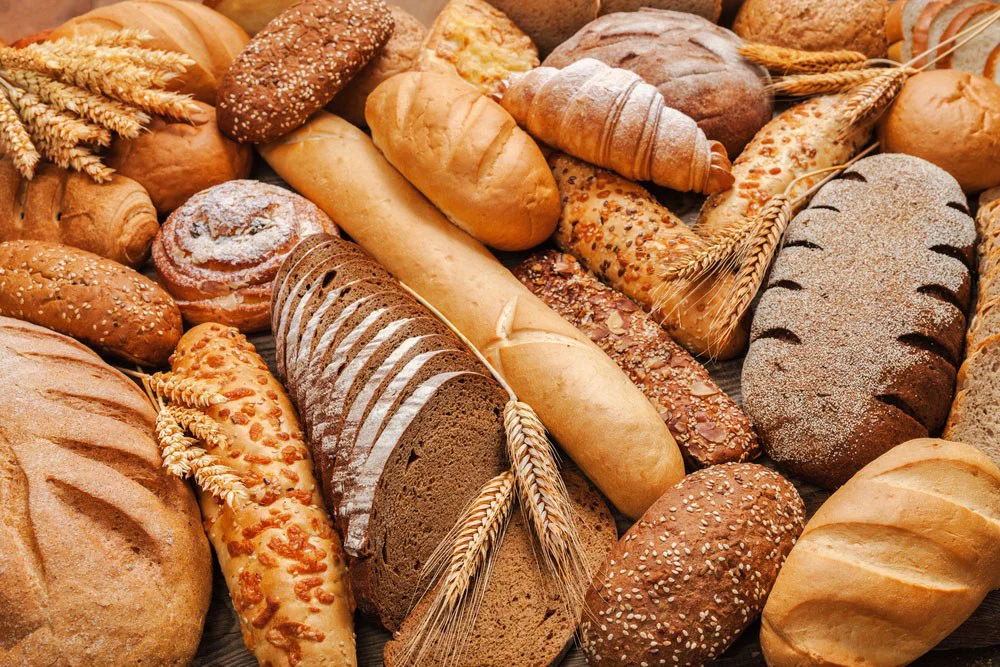
Bread
Whole Grains
Nutrients
Fibre, Calcium, Iron, Thiamine, Niacin, Folate
Pregnancy
If you must consume bread during pregnancy, opt for brown or wholemeal bread. White bread usually contains high proportions of gluten, and can aggravate constipation.The nutrients and fibre present in wholemeal bread can cater to the needs of a pregnant mum-to-be.
Postpartum
It’s fine to eat bread after giving birth, but opt for brown or wholegrain for a fibre boost. The carbuhydrates in bread will give you energy needed to recover.
Breastfeeding
Breads labelled “wholegrain”, “wholemeal” or “wholewheat” are better than white bread to eat while breastfeeding. The high fibre content in these breads is great for digestive health and will give you high energy levels.
 Baby
Baby
First, it is important to establish whether or not your baby is allergic to wheat. You might want to wait until your baby is 9-10 months old before you introduce bread. Brown or wholegrain bread will give your baby a good dose of fibre needed for healthy digestion.
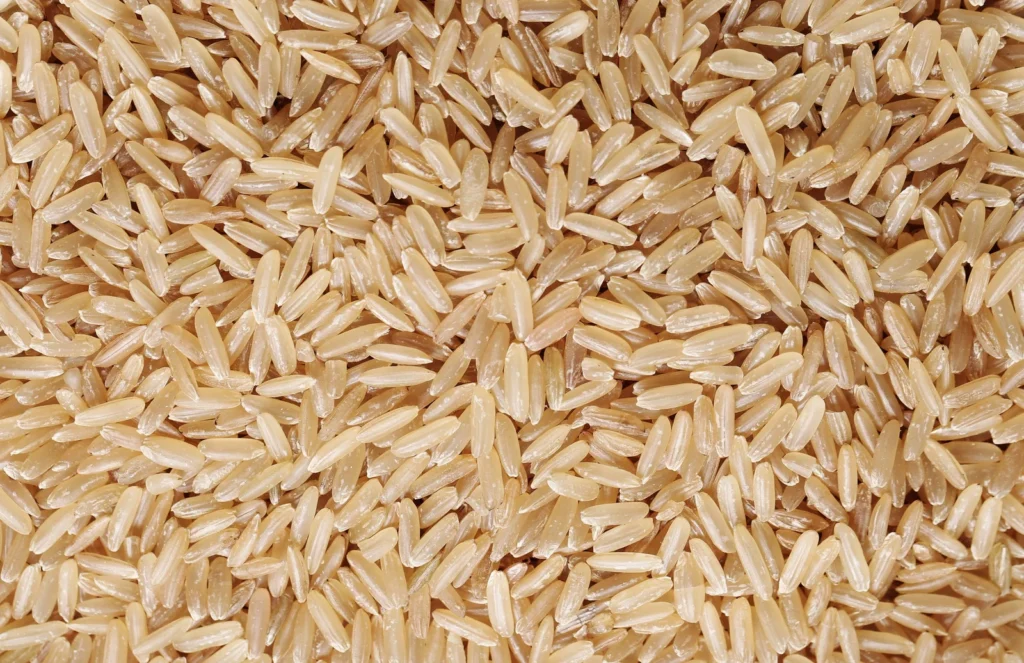
Brown rice
Whole Grains
Nutrients
Magnesium, Selenium, Manganese, Phosphorus, Vit B6, Copper, Zinc, Potassium, Calcium
Pregnancy
It has important nutrient content like magnesium, selenium, and manganese, making it a superfood if taken in moderation. But daily consumption of brown rice is not considered safe because it contains a high amount of arsenic which increases the risks of premature death of the fetus.
Postpartum
Brown rice is a high source of fiber which helps regulate bowel movement. It also helps prevent postnatal depression.
Breastfeeding
Brown rice provides your body the calories it needs to make the best-quality milk for your baby. It also keeps your energy levels high.
Baby
Brown rice is rich in nutrients and is a wonderful grain to offer your baby. It is a good choice as baby’s first food since the chances of it having any allergies is extremely low. Brown rice also contains fibre which helps baby to regulate bowel movement.
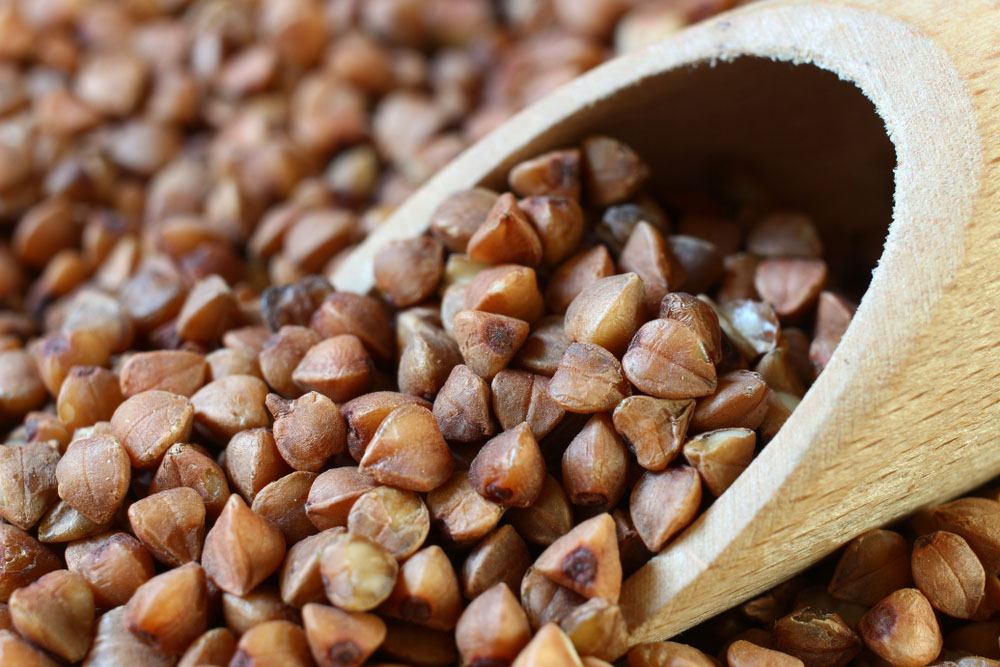
Buckwheat
Whole Grains
Nutrients
Calcium, Iron, Zinc, Phosphorus, Copper, Fibre, Protein, Mangenese, Magnesium, Carbohydrates, Antioxidants
Pregnancy
Buckwheat is a great source of dietery fibre and protein. So mummy-to-be, if you have no known allergy to this, you can safely consume it during pregnancy. Buckwheat helps improve immunity, lower cholesterol, improve digestion, and stimulate the baby’s brain development.
Postpartum
Buckwheat contains many essential nutrients and antioxidants that are needed by postpartum mothers. This grain has fibre, and aids in healthy digestion, which is something you need, mummy!.
Breastfeeding
Breastfeeding mums, if you like it, have it. Buckwheat contains essential nutrients and antioxidants that can improve vision, regulate blood sugar and blood lipids, and prevent iron deficiancy anemia.
Baby
This nutirient-rich grain can be given to weaned babies at around 6 months. It is rich in several nutrients and antioxidants that stimulate your baby’s brain development.
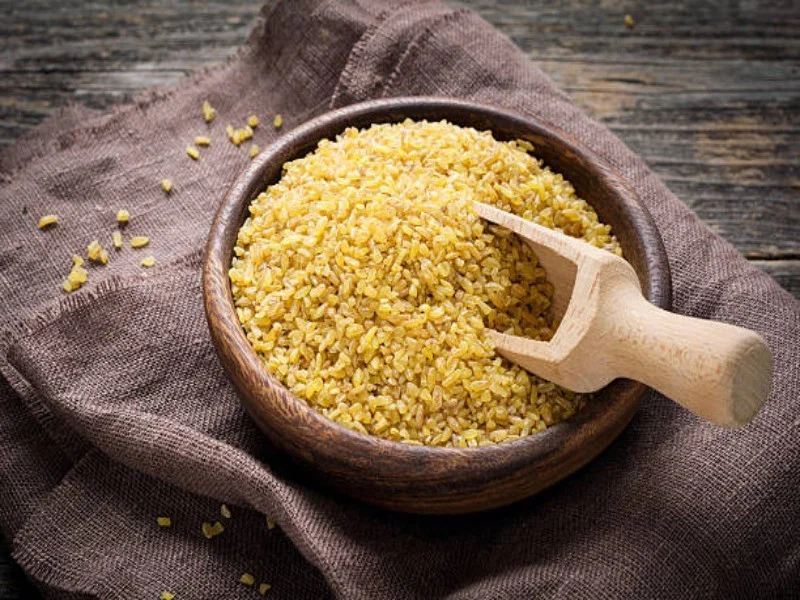
Bulgur
Whole Grains
Nutrients
Fiber, Manganese, Magnesium, Iron, Niacin, Vitamin B, Folate
 Pregnancy
Bulgur combats constipation and the low-blood-sugar crashes that lead to headaches, fatigue, and mood swings. It also contains a variety of essential nutrients which are needed by expectant moms and their growing babies. But Bulgur is a wheat product; anyone with a wheat or gluten allergy or intolerance should not eat it.
Postpartum
Bulgur is a fiber-rich whole grain; it may have a positive impact on heart health, weight loss, blood sugar control, and digestive health. It is an excellent addition to a new mom’s diet.
Breastfeeding
Bulgur is a superfood that contains vitamins and minerals for both you and your baby. It provides a healthy dose of fiber. Breastfeeding women need additional fiber to aid with digestion which is why it’s a great addition to your diet.
Baby
Bulgur is a nutritious baby food when you’re introducing them to solids. But bulgur is a wheat product if your baby is with a wheat or gluten allergy or intolerance you should avoid bulgur.
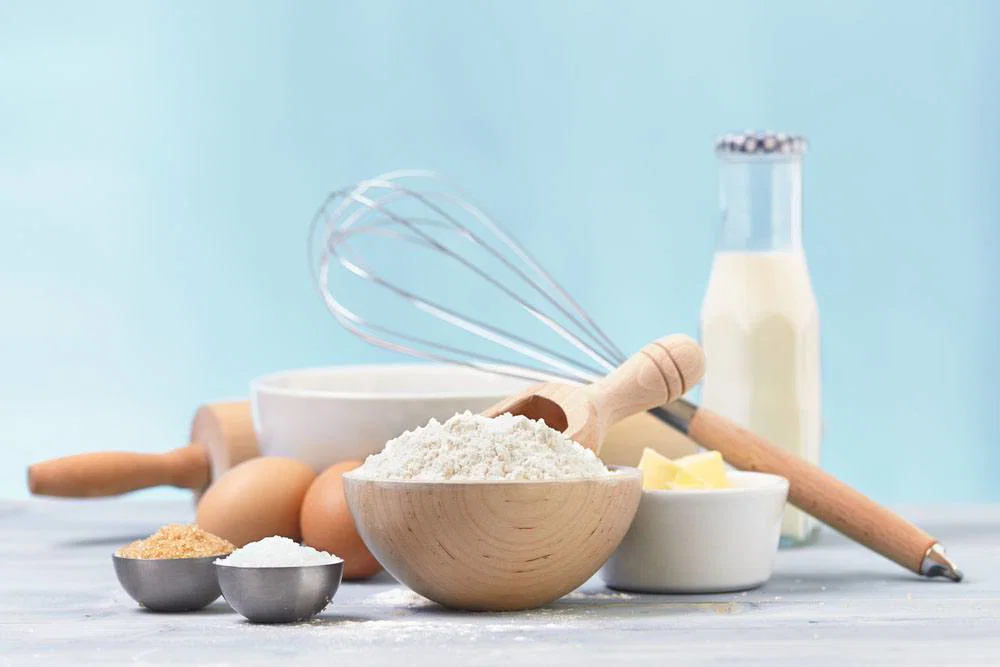
Cake flour
Whole Grains
Nutrients
Carbohydrates, sugar
Pregnancy
If you’re pregnant and you’re craving cake, go ahead and eat a slice (or two). Cake flour contains very little nutrients and often has added sugar, so please go easy on the cake if you have high blood sugar levels.
Postpartum
If you’re not allergic to cake flour, it’s okay to eat a slice or two of cake during your confinement period. Other than tasting delicious, cake make out of cake flour has very limited nutritional value.
Breastfeeding
Cake flour is mainly used for making cake, and while it’s fine to indulge in a slice or two, there’s very little nutritional benefit for you other than maybe a swift boost of energy.
Baby
Products made with cake flour are not suitable for babies under the age of 11 months.
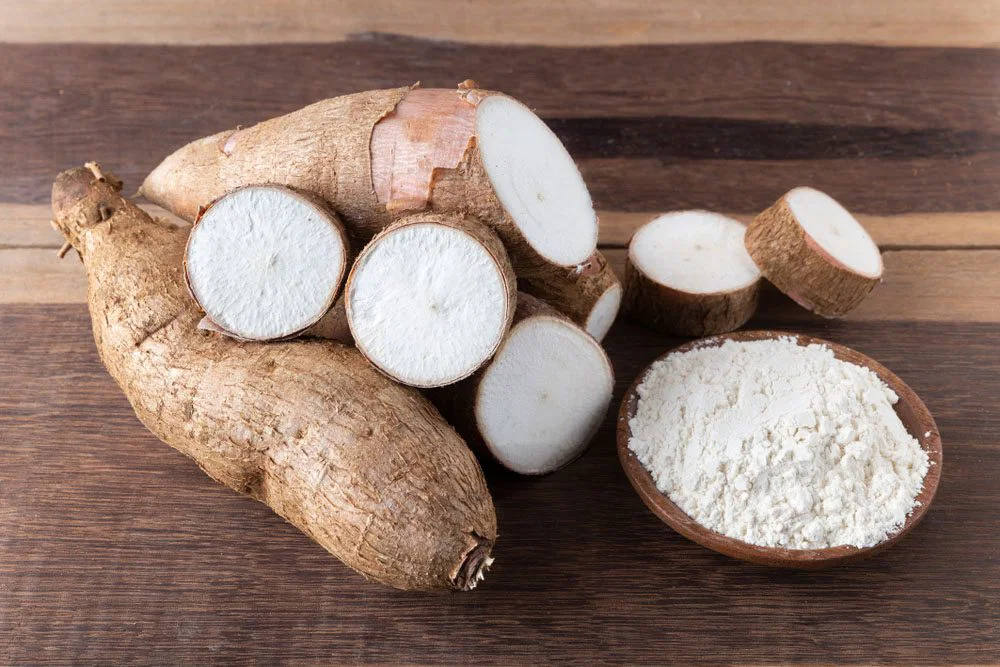
Cassava
Whole Grains
Nutrients
Folates, Thiamin, Vitamin B6, Riboflavin, Pantothenic Acid
Pregnancy
During pregnancy, avoid eating cassava. Cyanide substances in cassava when not cooked properly can negatively affect you and your developing baby. Raw or uncooked cassava is the most toxic and can cause food poisoning.
Postpartum
Avoid eating cassava after giving birth. A postpartum body is sensitive and in recovery. Cyanide substances in cassava, especially when undercooked, can release toxic hydrocyanic acid in the body.
Breastfeeding
Breastfeeding mothers should avoid eating cassava as it might contain cyanide substances, especially when undercooked or raw.
Baby
Cassava is not suitable for babies under the age of 11 months.
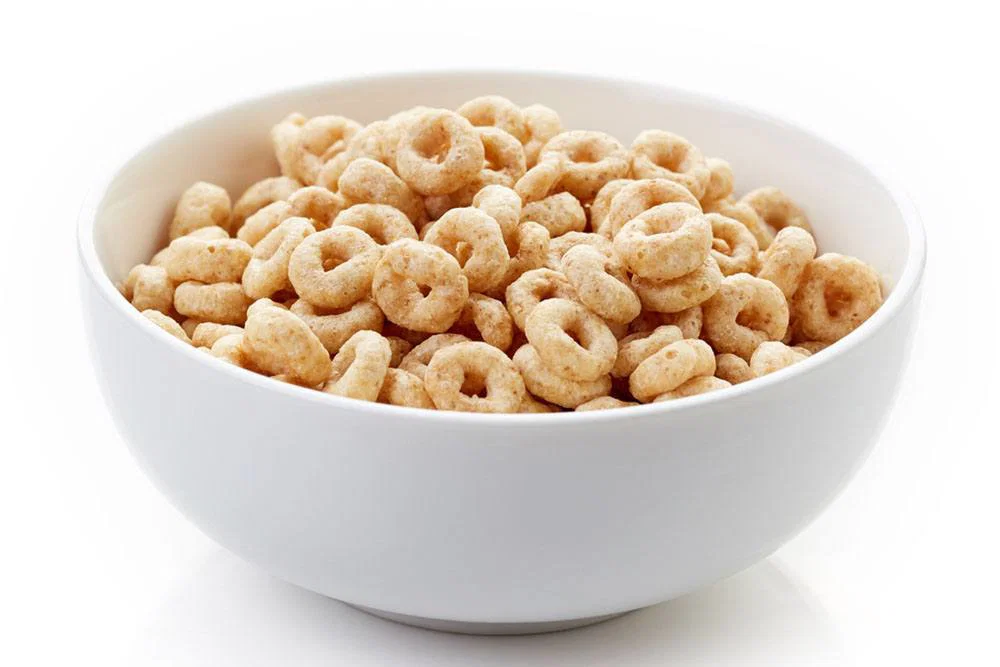
Cereal
Whole Grains
Nutrients
Pregnancy
Mums-to-be can eat cereal. Always choose those made with wholegrains and avoid those with added sugar. The fibre present in cereal can help relieve constipation and morning sickness and stimulate baby’s development.
Postpartum
After pregnancy, mums can continue to eat cereal. Choose those made out of wholegrains and avoid those with lots of added sugar. A good, wholegrain cereal can help ease digestive issues, including constipation.
Breastfeeding
A bowl of wholegrain cereal with low-fat milk and fruits is a great breakfast or snack option for hungry breastfeeding mums. The fibre in cereal will help prevent constipation and you will also get energy from the carbohydrates present in cereal.
Baby
Your baby can eat cereal in small quantities and after you have introduced vegetables and fruits. Opt for cereals made out of wholegrains so baby’s digestive system stays healthy, and ditch the add-ons: sugar, milk powder and creamer. Add breast milk or formula milk and fresh fruit for wholesome goodness.
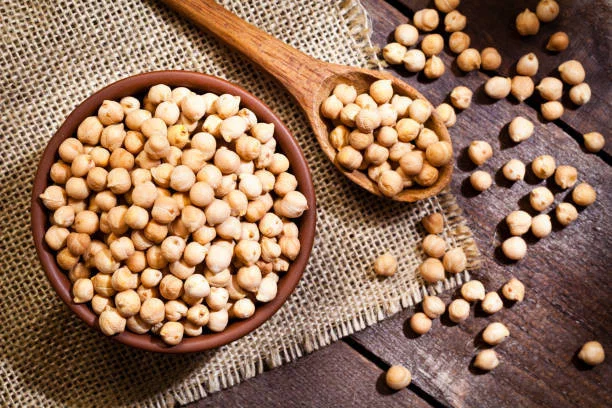
Chickpeas
Whole Grains
Nutrients
Folate, Protein, Fibre, Iron, Carbohydrates
Pregnancy
A natural source of folate, chickpeas are an ideal food for pregnant women to consume. Folate can help prevent neural tube disorders in developing babies. Because these legumes contain iron, they help boost your red blood cell count, supporting a healthy pregnancy. Chickpeas along with tahini are the two main ingredients in hummus. Avoid shop-bought hummus though, as tahini has been linked to food poisoning outbreaks.
Postpartum
Go ahead and snack on chickpeas during your postpartum recovery period. High in folate, carbohydrates and other nutrients, chickpeas promote overall recovery and healing. Use them in a homemade hummus.
Breastfeeding
You can eat chickpeas without a problem while breastfeeding. Vegetable sticks or crackers with a homemade hummus dip are the ideal snack for hungry breastfeeding mums, providing you with vital nutrients, including natural carbs for an energy boost.
Baby
Chickpeas are fine to give your baby after he or she starts solids at 6 months. Packed with nutrients that promote your baby’s brain and physical development, they can be boiled and mashed with a bit of unsalted butter. Do not give your baby whole chickpeas as they are a choking risk.
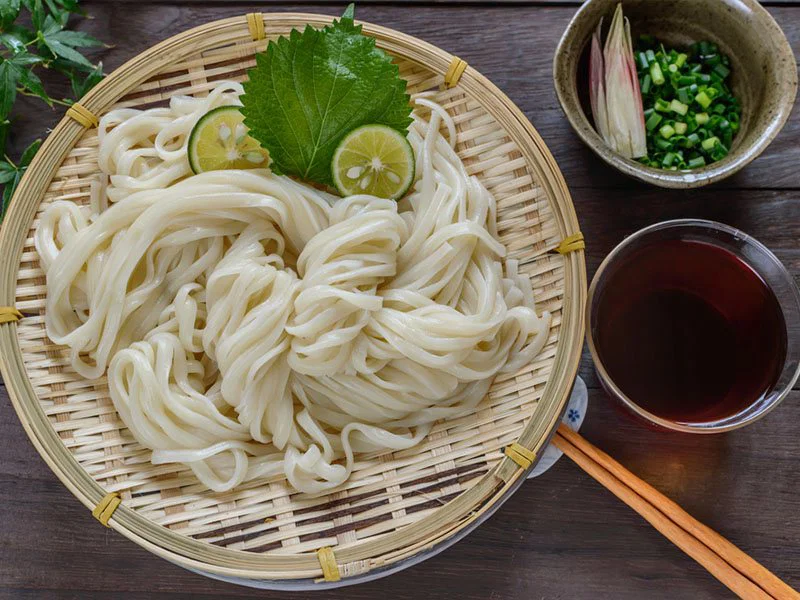
Cold noodles
Whole Grains
Nutrients
Zinc, Magnesium, Potassium, Phosphorous, Iron, Manganese, Thiamin, Protein, Soluble Fibre, Vitamin B
Pregnancy
In Korea and Japan, cold noodles are extremely popular. The nutrients in cold noodles help supply energy for your baby’s development and help the placenta grow. The folic acid in these noodles helps prevent birth defects in your baby.
Postpartum
You can eat cold noodles in the postpartum period. They can help lower cholesterol and sugar levels. Also it is a good option for those with celiac disease or non-celiac gluten sensitivity, since cold noodles don’t contain gluten.
Breastfeeding
Mums who are breastfeeding can eat cold noodles. They are a great option for those sensitive to gluten, and they can give you much-needed energy to nurse your baby.
Baby
Cold noodles are great for older babies to eat, but in moderation. For babies over 8 months old, you may chop the noodles into shorter segments and add veggies for extra goodness.
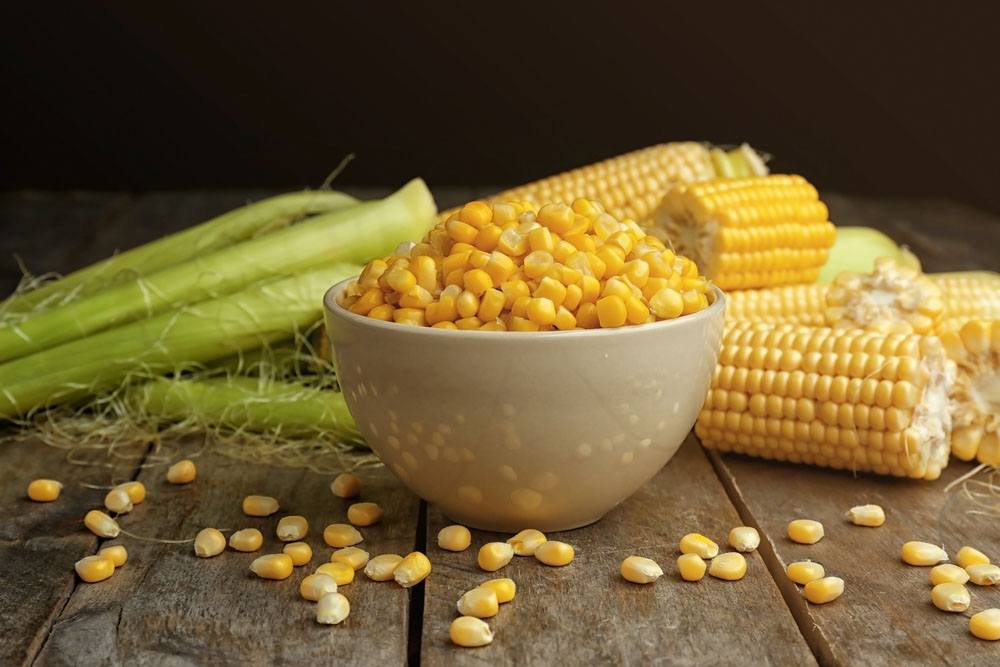
Corn
Whole Grains
Nutrients
Fibre, Vitamin B, Lutein, Vitamin E, Magnesium
Pregnancy
Corn is safe for consumption during pregnancy. It helps prevent cardiovascular disease, constipation, and especially boosts baby’s brain development. It is also good for your and baby’s skin.
Postpartum
After giving birth, you can continue to include corn in your diet. It can help with that notoriously hard first bowel movement and improve memory and vision.
Breastfeeding
If you’re breastfeeding, add some corn to your diet to improve your digestive health, prevent cardiovascular and cerebrovascular diseases, and provide energy for you to continue nursing.
Baby
Your baby can eat corn as early as when he/she is 6 months old. The nutrients in corn can improve baby’s visual development and immunity. Boil well until the kernels are soft to make it easier for baby to eat.
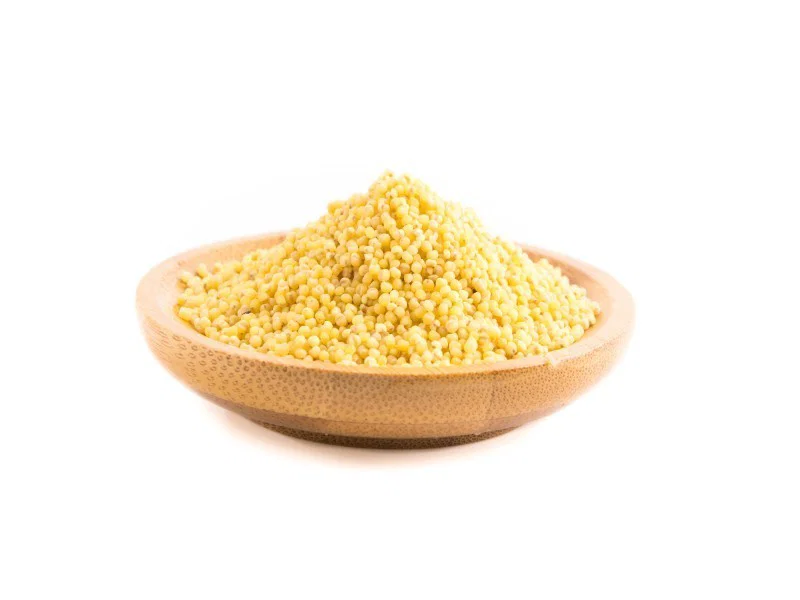
Couscous
Whole Grains
Nutrients
Thiamin, Niacin, Selenium, Folic Acid, Manganese, Sodium, Protein, Choline, Folate, Calcium, Magnesium, Potassium, Selenium
Pregnancy
Couscous keep your heart healthy and active. It is also useful in boosting the immunity level. It improves your metabolism. But couscous is not gluten-free. It would not be safe for someone with allergy or celiac disease.
Postpartum
Couscous is helpful during postpartum as it provides large amounts of protein. It is an integral part of healing wounds and in the metabolism of enzymes that assist in repairing wounds both externally as well as internally.
Breastfeeding
You can add couscous to your nutritionally balanced meal. It is an important source of energy.
Baby
Couscous may be introduced as soon as the baby is ready to start solids, which is generally around 6 months of age. If you haven’t already introduced wheat, start with a scant amount of couscous at the start, as couscous often contains wheat, a common food allergen in children.
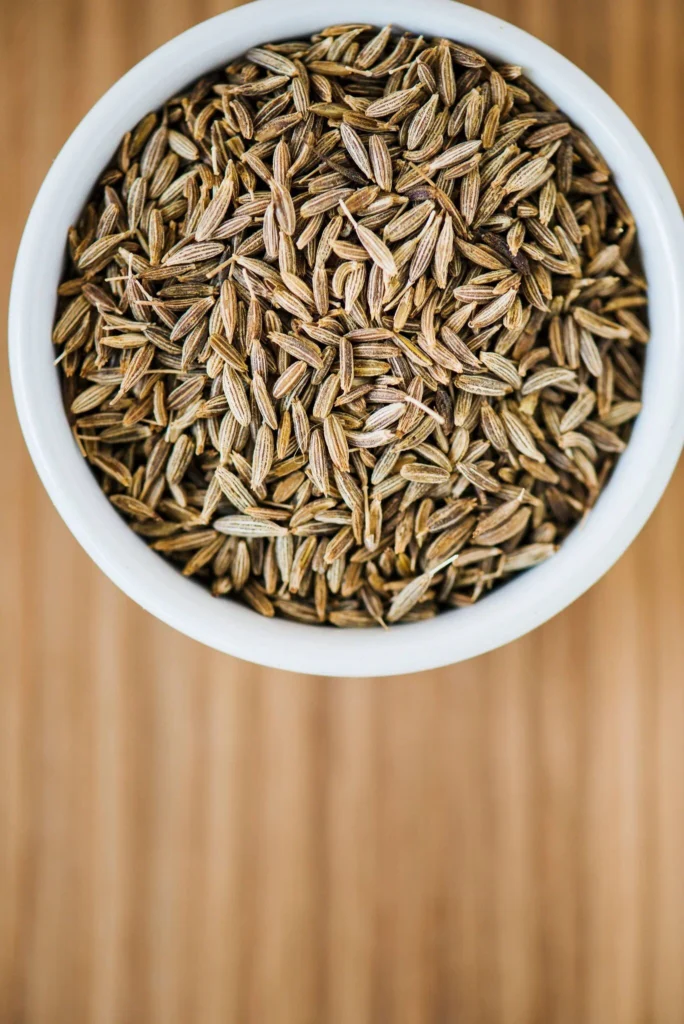
Cumin seeds
Whole Grains
Nutrients
Calories , Fat , Sodium , Potassium , Dietary fiber, Vitamin A, Vitamin C, Calcium, Iron, Vitamin B-6, Magnesium
Pregnancy
Cumin contains terpenes, phenols, and flavonoids which help in various gastric disorders, acidity and upset stomach are common during pregnancy. Its strong flavouring agents can help you to deal with morning sickness and insomnia.
Postpartum
Cumin seeds or jeera contains antoxidants which are beneficial for your health.
Breastfeeding
Cumin seeds boost milk supply but make sure to have them in moderation.
Baby
Cumin is a source of iron that can make for a flavorful and healthy addition to baby’s diet after 6 months. It also helps boost baby’s digestion and help baby’s immune system.
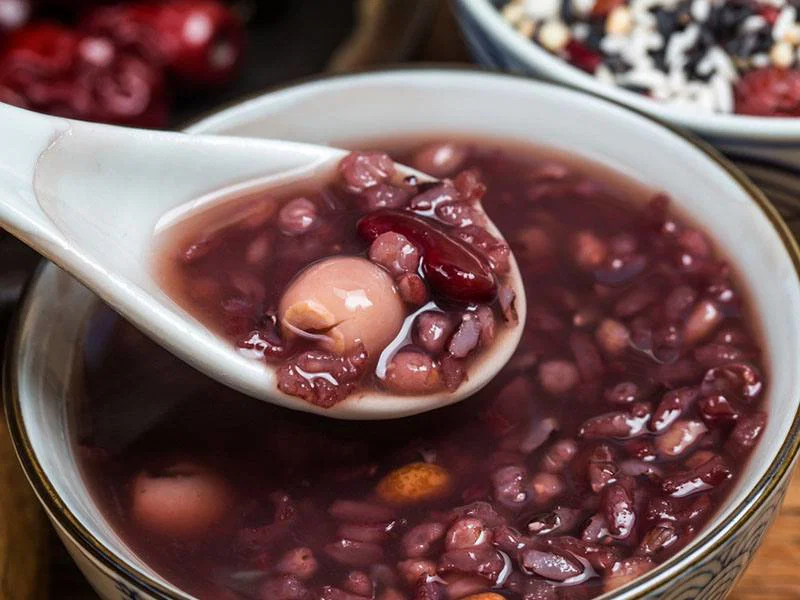
Eight-treasure congee
Whole Grains
Nutrients
Protein, Fat, Carbohydrates, Fibre
Pregnancy
Eight-treasure porridge can improve digestion and give you energy. Just be sure not to add any sugar or soy sauce to the porridge to avoid an excess of sodium.
Postpartum
Postpartum mummies can eat eight-treasure porridge. The barley, black sesame, sunflower seed, raisin, red skin peanut, and red dates found in this porridge help you recover strength and are good for your hair and skin. If you want to make it even more nutritious, add coarse grains that are rich in vitamins and fibre.
Breastfeeding
Breastfeeding mummies can eat eight-treasure porridge. It acts as a breast milk booster for some mummies. Eight-treasure porridge contains a variety of cereals and beans, which provide nutrients needed by breastfeeding mother. However, do not add too much sugar or salt into the porridge.
Baby
Eight-treasure porridge is not suitable for babies under the age of 11 months.
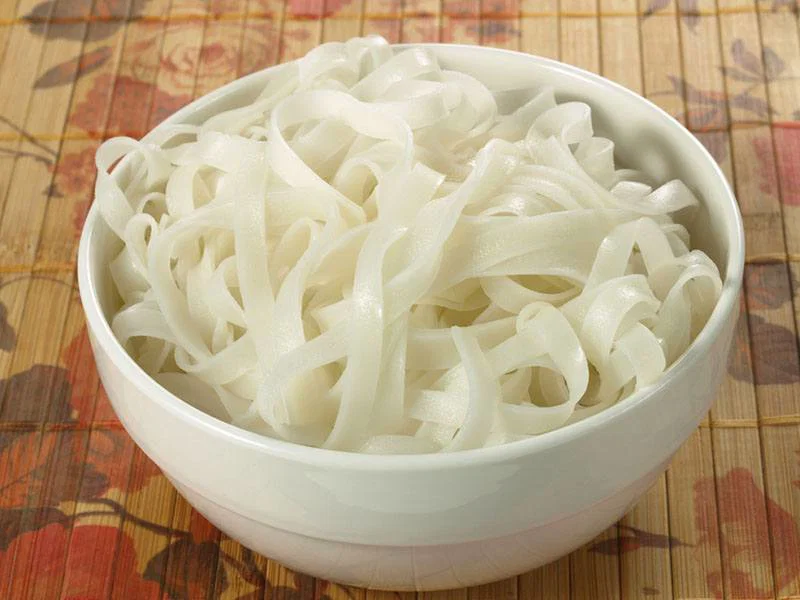
Flat rice noodles
Whole Grains
Nutrients
Calcium, Phosphorus, Magnesium, Potassium, Iron, Zinc, Thiamin, Riboflavin, Niacin, Vitamin B-6, Folate, Fiber, Carbohydrates
Pregnancy
Flat rice noodles are safe for consumption as part of a balanced diet for pregnant women. Noodles on their own contain less nutritive value, but when vegetables and meat are added, they are a healthy option. Avoid noodles with high salt and sugar content.
Postpartum
You may eat flat rice noodles during the postpartum period in controlled portions. High in carbs, these noodles will boost your energy and strength. Balance it out with added vegetables.
Breastfeeding
You can eat flat rice noodles during breastfeeding, but in controlled portions. As noodles have minimal nutrients, eating them on their own could cause unnecessary weight gain. The carbohydrates in flat rice noodles will give you energy.
Baby
Once baby is able to consume solids at around 6 months of age, you can introduce flat rice noodles. On their own, noodles provide little nutritional value, but when mixed with vegetables and meat, they are a healthy option.
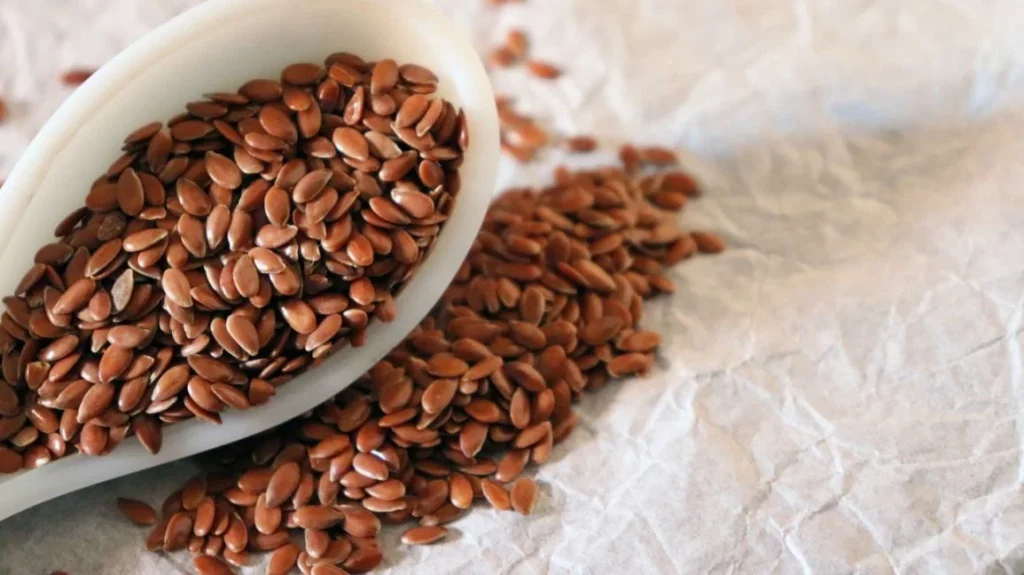
Flaxseed
Whole Grains
Nutrients
Omega-3 fatty acids, Carbohydrates, Protein, Fibre, Antioxidants, Thiamine, Copper, Molybdenum, Magnesium, Phosphorus
Pregnancy
Although flaxseed is a wonder food, it may affect hormone levels in a pregnant mum. There is not enough scientific evidence as yet as to the effects of flaxseed during pregnancy so it is best to consult your doctor if you want to consume it.
Postpartum
It is safe for new mums to consume flaxseed. Touted as a wonder food, it is believed to prevent heart disease, cancer, stroke and diabetes. It is also high in good fats and fibre. Have it sprinkled on your salads and yogurt.
Breastfeeding
There is no conclusive studies done as to whether or not flaxseed is safe for a breastfeeding mum. Some studies say flaxseed can increase milk supply whilst others recommend that lactating mothers do not take flaxseed. Please consult your doctor if you are breastfeeding and you want to take flaxseed.
Baby
You can give ground flaxseed or flaxseed oil to your baby once he/she is 8 months or older. Your baby will benefit from its antioxidant properties, good fats and fibre. If you do start giving it to your baby, do check for signs of allergy.
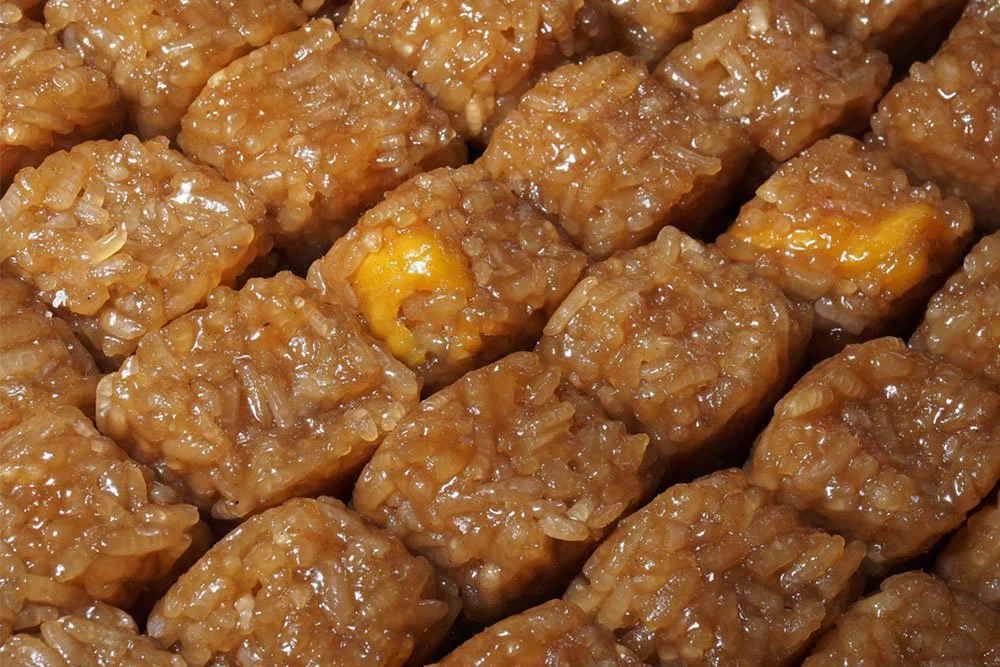
Glutinuous rice
Whole Grains
Nutrients
Protein, Fat, Calcium, Iron, Phosphorus, Vitamin B1, Vitamin B2, Niacin
Pregnancy
Pregnant women can eat glutinous rice, but it is recommend to only eat it in limited quantities because it can be hard to digest. It is also high in sugar content, which can put pregnant women at risk of gestational diabetes.
Postpartum
After birth, you can eat glutinous rice in moderation. High in carbohydrates, it can give you a much-needed energy boost. However, since this rice is high in sugar, eat only in moderation.
Breastfeeding
You can eat glutinous rice when breastfeeding as its high carbohydrate and natural sugar content will give you energy. Just remember to consume in limited amounts, especially if you have high blood sugar.
Baby
Glutinous rice is not suitable for babies under the age of 11 months.
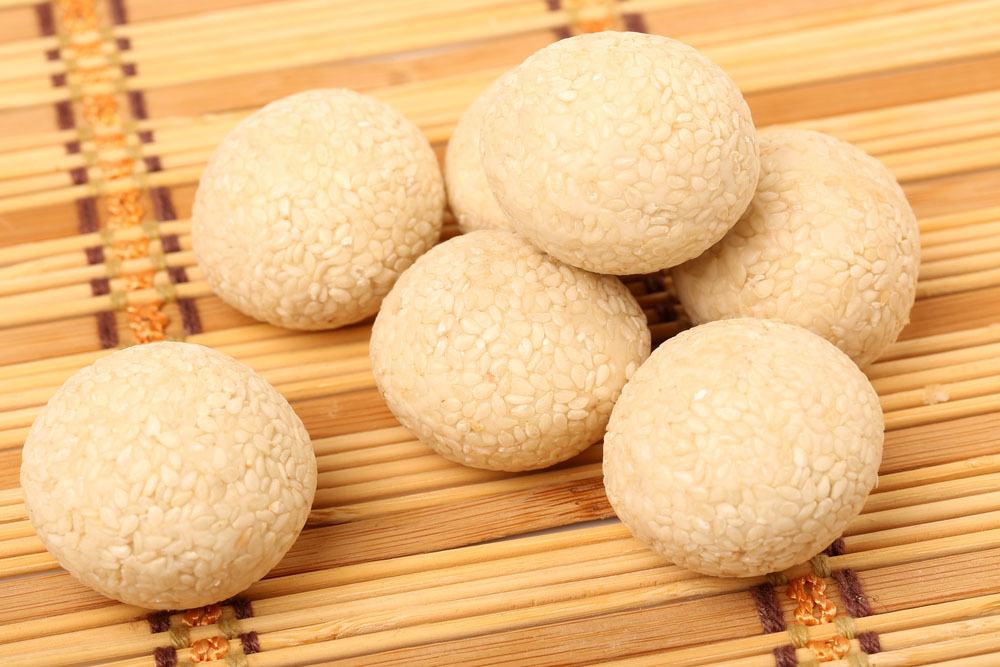
Glutinuous rice flour
Whole Grains
Nutrients
Protein, Fat, Sugar, Calcium, Phosphorus, Iron, Niacin
Pregnancy
Glutinous rice flour is rich in nutrients needed by pregnant women. But because glutinous rice flour is typically hard to digest, it is best advised to consume in controlled amounts and sparingly.
Postpartum
Because glutinous rice flour is full of nutrients such as proteins and iron, it essentially helps in post-birth recovery, strengthens your body and speeds up nutrient absorption. However, do avoid overconsumption of glutinous rice flour to constipation and increased blood sugar levels.
Breastfeeding
Glutinous rice flour is rich in several body-strenghthening nutrients. It is also said to help stimulate your body’s immunity. Eat in moderation due to its high sigar content.
Baby
Glutionous rice flour is not suitable for babies under the age of 11 months.
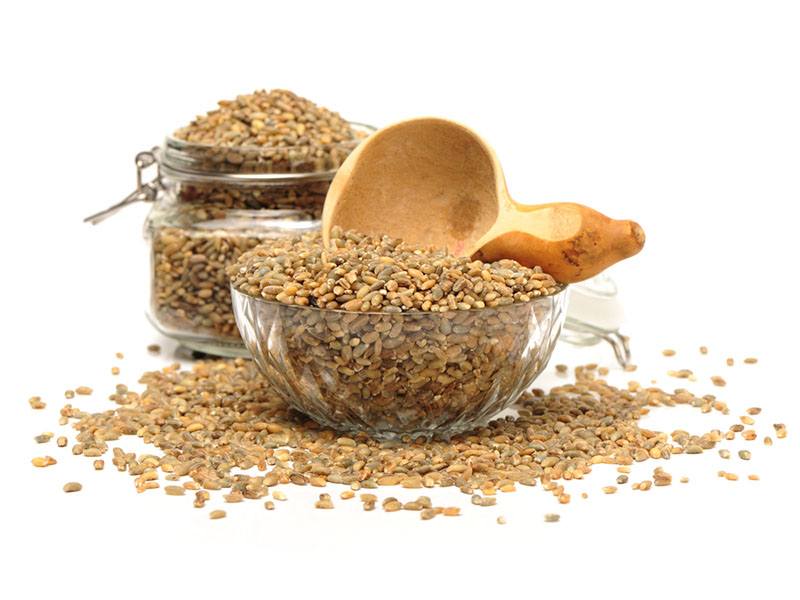
Highland barley (青稞)
Whole Grains
Nutrients
Calcium, Iron, Zinc, Phosphorus, Copper, Fibre, Vitamin B1, B2, Vitamin E, Selenium
Pregnancy
Mummy-to-be, you can eat highland barley. It is rich in nutrients that help your baby’s healthy development. It can also help prevent cardiovascular diseases and diabetes. However, highland barley may be tough to digest, so ensure to cook it properly.
Postpartum
Highland barley has many nutrients and vitamins that strengthen the body and push for faster recovery. It is also high in calcium, which can enhance your immunity. Just make sure that it is cooked properly as it can be difficult to digest.
Breastfeeding
Breastfeeding mothers can eat highland barley. It is rich in several nutrients and vitamins that enhance your immunity.
Baby
Weaned babies (6 months and older) can have food prepared with highland barley. It includes nutrients and vitamins that help in your baby’s physical growth and development. Ensure that it is cooked properly as it can be hard to digest for a baby.
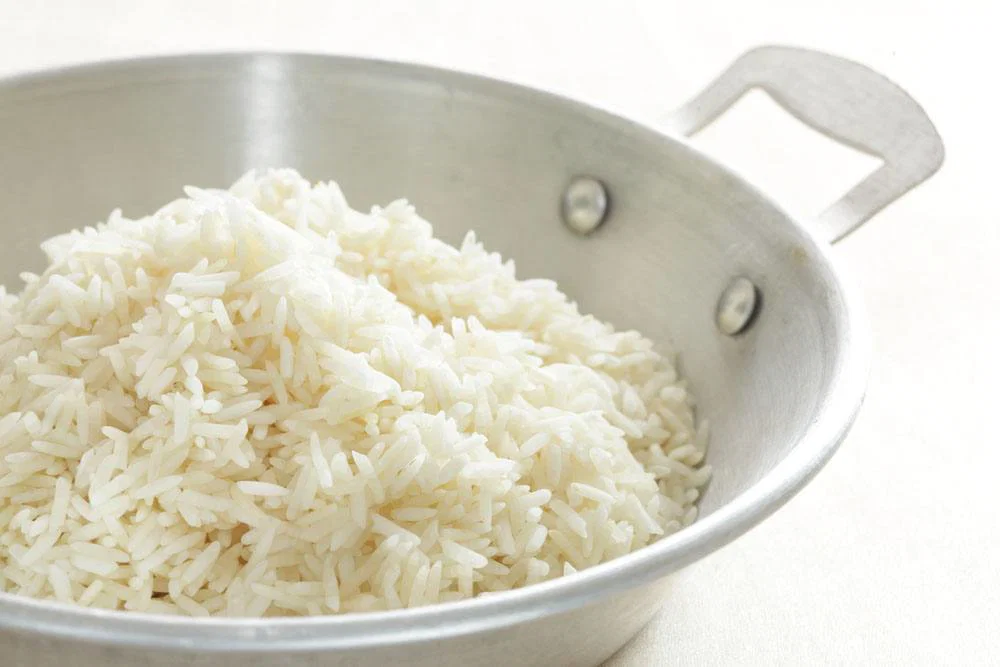
Indica rice
Whole Grains
Nutrients
Protein, Niacin, Vitamin B5, Vitamin B6, Phosphorus, Magnesium, Zinc
Pregnancy
Mums-to-be, indica rice is good for you. The nutrients it contains can boost your immunity and your baby’s development at the same time.
Postpartum
Eating indica rice porridge with meat and vegetables is a great way to regain your strength after the strain of childbirth. However, make sure that your porridge doesn’t have too much added sugar and salt.
Breastfeeding
Breastfeeding mums can eat indica rice. It gives you energy and boosts your immune system.
Baby
Once your baby is 6 months and ready for solid food, you can introduce indica rice via rice porridge, which is easy to digest. For babies 8 months and older, try mixing red beans to the porridge to make it tastier and more nutritious.
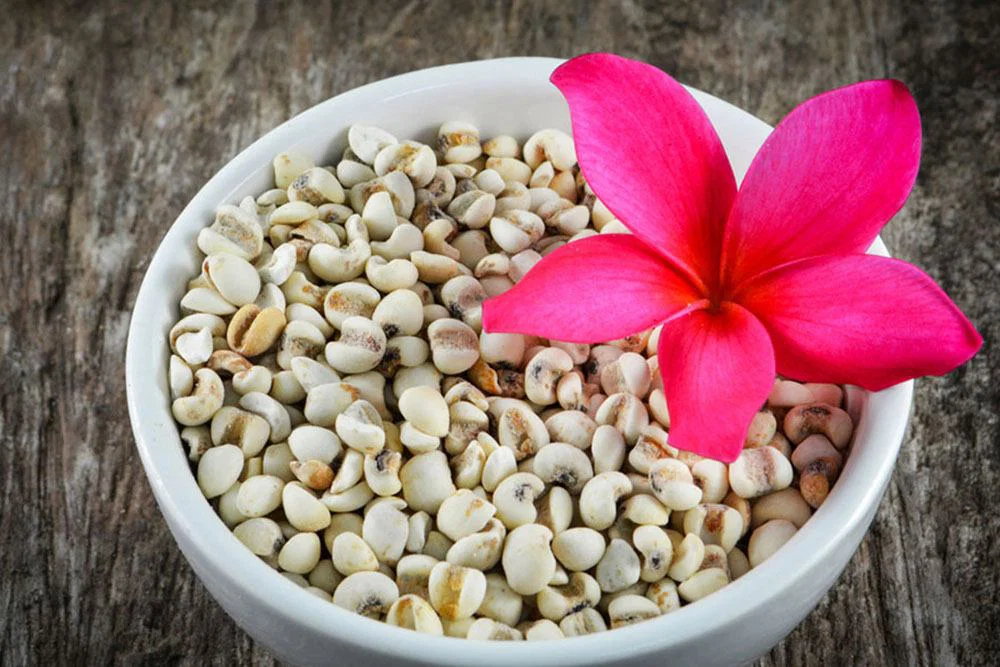
Job’s tears (or Adlay)
Whole Grains
Nutrients
Calcium, Phosphorus, Iron, Niacine, Thiamine, Riboflavin, Protein, Amino Acids
Pregnancy
Adlay is not safe to eat during pregnancy. Research suggests that it can cause the uterus to contract, resulting in potential miscarriage.
Postpartum
New mothers should stay away from adlay as can cause constipation and cramping, which will hinder your recovery.
Breastfeeding
For the same reasons pregnant women and postpartum mummies should stay away from adlay, nursing mummies should also keep it out of their diets. There is no known research to tell whether if it is safe to use Adlay during breast-feeding, but stay on the safe side and avoid use.
Baby
Adlay is not suitable for babies under the age of 11 months, as it may cause digestive health issues.
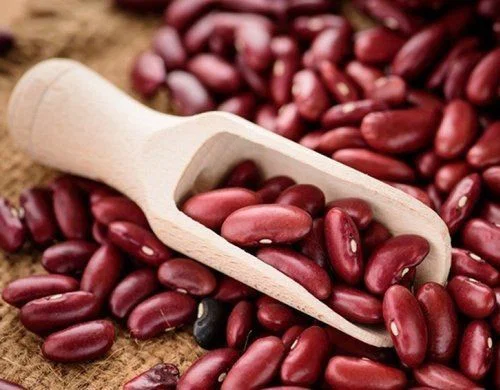
Kidney beans
Whole Grains
Nutrients
Folate, Iron, Copper, Manganese, Potassium, Vitamin K1
Pregnancy
Rich in fibre, folate, iron and minerals, kidney beans should be in every pregnant woman’s diet. The iron in kidneys beans helps eliminate iron defiencies, while the folate helps rule out conditions like spina bifida in your baby. Fibre in these beans keeps your digestive system healthy. Just watch out for extra gas!
Postpartum
Kidney beans are a good food to eat during the postpartum recovery period. Nutrients they contain like iron and carbohydrates help speed up the healing process and provide much-needed energy to the new mum.
Breastfeeding
Kidney beans are a very healthy addition to breastfeeding mums’ diets. Packed with iron, folate, vitamins, minerals and fibre, these little legumes give energy, boost immunity and improve digestive health.
Baby
Kidney beans are fine to give your baby after he or she starts solids at six months. Packed with essential nutrients that will boost baby’s brain and physical growth, you could boil or steam and mash these legumes for your baby to consume. A little at a time though, as too much might cause gas.
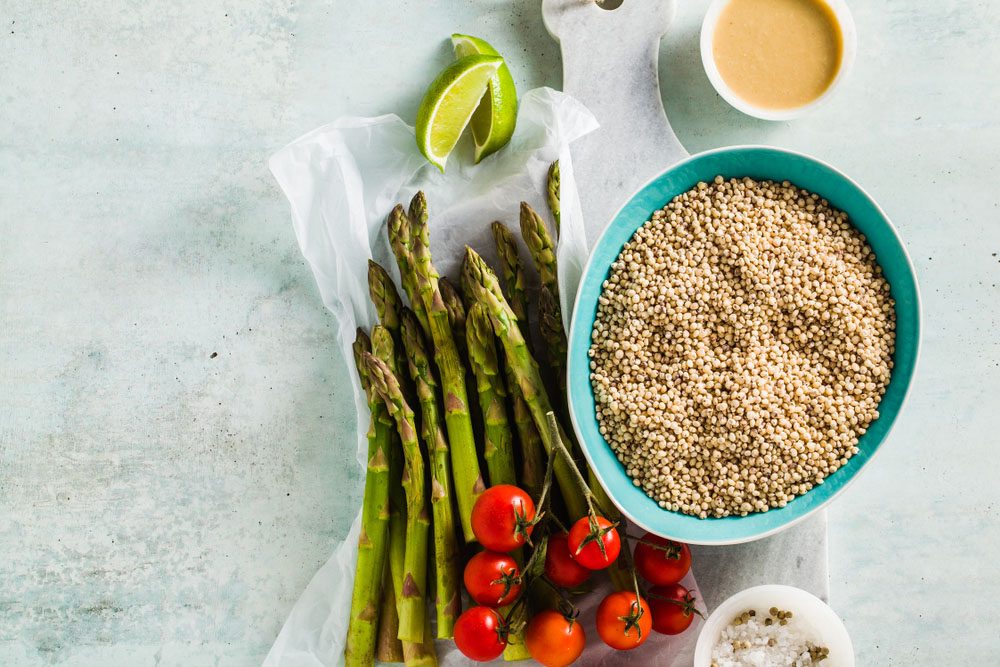
Millet
Whole Grains
Nutrients
Vitamins, Zinc, Copper, Magnesium, Calcium, Mangenese, Fibre, Vitamin B, Antioxidants, Phosphorus, Selenium, Folate
Pregnancy
Millet is rich in nutrients which makes it ideal for pregnant mothers to eat. It supplies energy for baby’s development and aids placenta growth, too.
Postpartum
Millet is full of amino acids other nutrients that help your body to heal and restore much-needed strength. So go ahead and add millet to your meal, mummy.
Breastfeeding
Whole-grains, including millet, provide important minerals for you and your baby. It’s also easy to digest and also increases breast milk production for many mums.
Baby
Your baby can definitely eat millet once he or she starts solids at six months of age. All of the nutrients in millet are good for your baby’s growth and development.
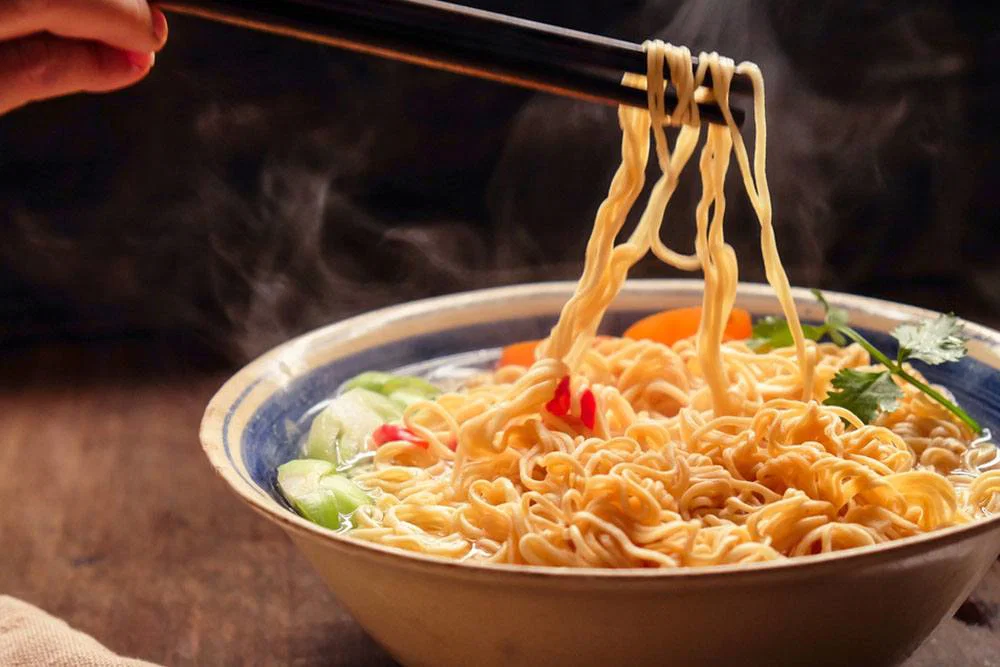
Noodle
Whole Grains
Nutrients
Protein, Fat, Fibre, Phosphorus, Potassium, Magnesium, Iron, Calcium, Vitamin A, Vitamin B-12 (cobalamin), Vitamin D, Choline, Betaine
Pregnancy
Mums-to-be, you can continue having your favourite noodles during pregnancy. Opt for those less in salt and sugar, and home-made if possible. They are rich in minerals and protein which can help stimulate digestion, improve your physical strength, and may improve your baby’s brain development.
Postpartum
Noodles are fine to eat after you’ve given birth, mummies! Comforting and nourishing, your favourite noodle dish will bring you energy to recover well after childbirth. Remember to add less oil and salt when cooking, and opt for those less in added salt and sugar, and home-made if possible.
Breastfeeding
You can also eat noodles during breastfeeding. Noodles contain many nutrients that help boost your energy (which you will need a lot of while breastfeeding). Opt for those less in salt and sugar, and home-made if possible.
Baby
Noodles are safe for babies once they start solids after 6 months. Cook the noodles as soft as possible and cut it into short, bite-sized pieces so it’s easy for baby to eat. Opt for those less in salt and sugar, and home-made if possible.
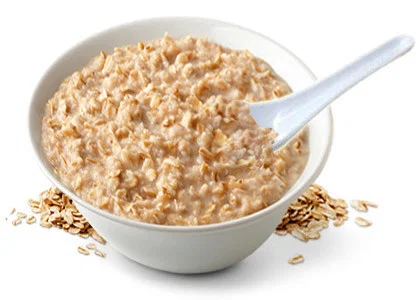
Oatmeal
Whole Grains
Nutrients
Fibre, Vitamin B/E, Folic Acid, Potassium, Iron, B-glucan
Pregnancy
Mums-to-be, oatmeal is a great breakfast option for you. It can prevent constipation during pregnancy, makes your skin healthier, and help relieve morning sickness symptoms.
Postpartum
Oatmeal will help you heal faster and give you energy and strength. Avoid eating instant oatmeal and opt for rolled or steel-cut oats.
Breastfeeding
Oatmeal is considered as a breast milk booster, so go ahead and eat a bowl of it for breakfast every day.
Baby
Your baby can eat oatmeal once they start solids at 6 months of age. Oatmeal is good for baby’s overall growth and brain development.
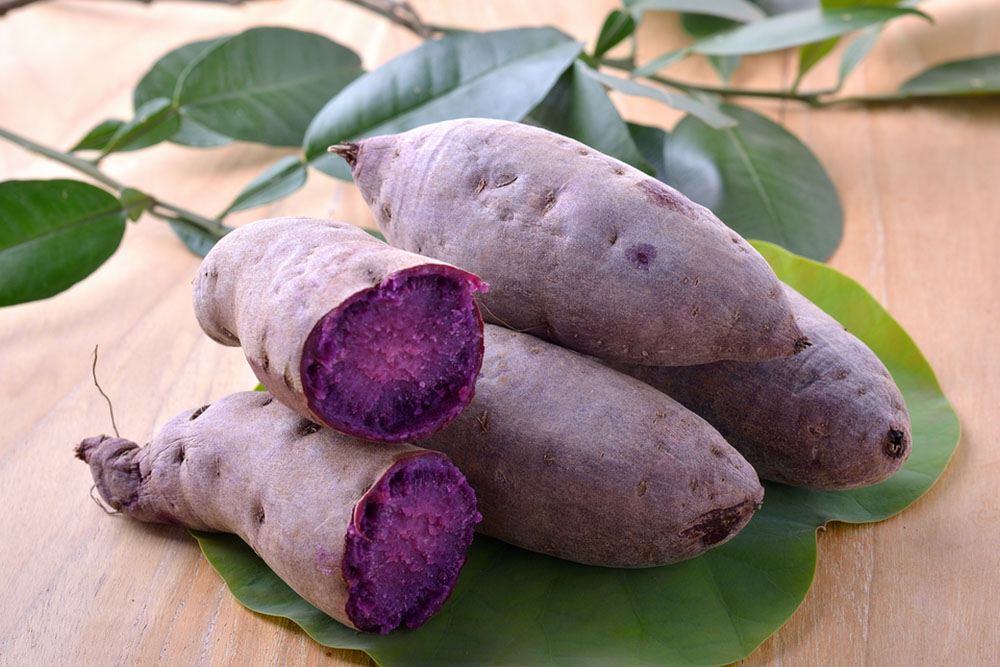
Purple yam
Whole Grains
Nutrients
Vitamin B6, Carbohydrates, Copper, Vitamin C, Potassium, Fibre, Phosphorus, Iron, Vitamin B5, Vitamin B9, Magnesium, Vitamin B3, Vitamin B2, Zinc
Pregnancy
Pregnant women can eat purple yam in controlled amounts. The nutrients it contains help improve immunity, relieve constipation and give you good skin skin. However, purple yam is not easy to digest, and excessive consumption might cause stomach bloating and pain.
Postpartum
You can eat purple yam in moderation during the postpartum period for a boost of energy. However, note that this carbohydrate is not easily digestible and can cause stomach discomfort if eaten in large quantities.
Breastfeeding
Like most carbohydrates, purple yam is okay for breastfeeding mothers to consume. However, it should be eaten in moderation in order to avoid stomach discomfort. It can help improve immunity, prevent gastrointestinal, improve vision, and skin condition.
Baby
To mix up your baby’s diet, you can introduce purple yam, but only in small quantities after baby turns 6 months old. Steam or boil the purple yam till it is soft and mushy for your baby because it is not easy to digest.
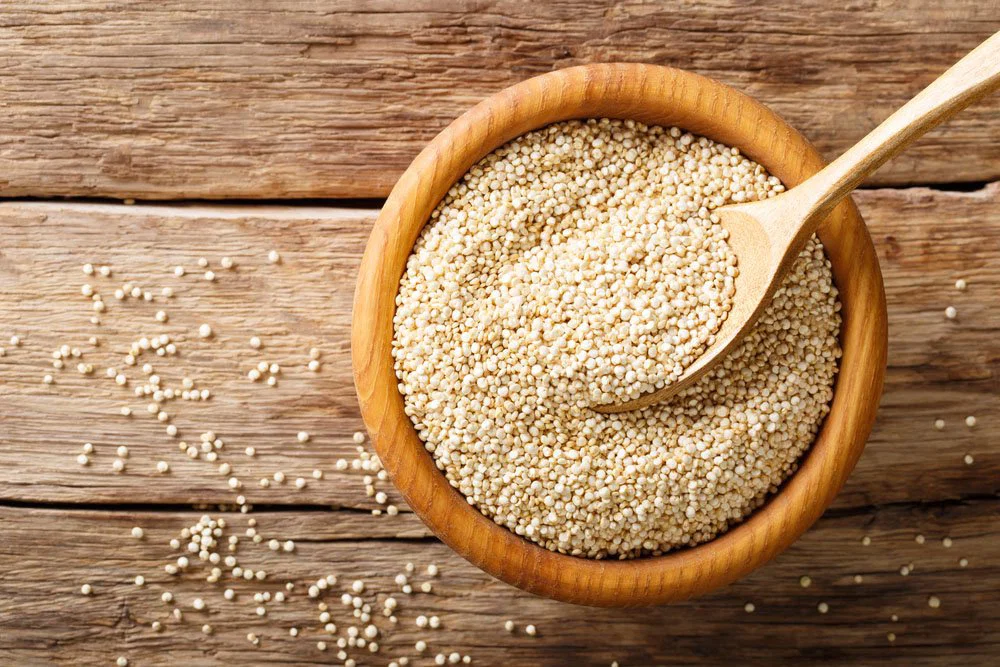
Quinoa
Whole Grains
Nutrients
Amino Acids, Calcium, Iron, Phosphorous, B Vitamins, Vitamin E, Fibre, Folic Acid, Selenium, Magnesium, Zinc
Pregnancy
The superfood quinoa is safe for consumption during pregnancy. It provides a good supply of nutrition for pregnant women and its nurtrients boost your baby’s overall development, including brain growth.
Postpartum
After giving birth, your body will be seeking plenty of nutrients and minerals to replenish what is lost. Quinoa can give you the nutrients your body needs for optimum recovery after birth. High in fibre and low in sugars, quinoa can also prevent maternal constipation.
Breastfeeding
When breastfeeding, mothers can eat quinoa. It can make up for the loss of calcium and prevent osteoporosis.
Baby
Your baby can eat quinoa once they start solids at 6 months of age. Packed with nutrients, quinoa is great for baby’s bone and brain development and aids digestive health.
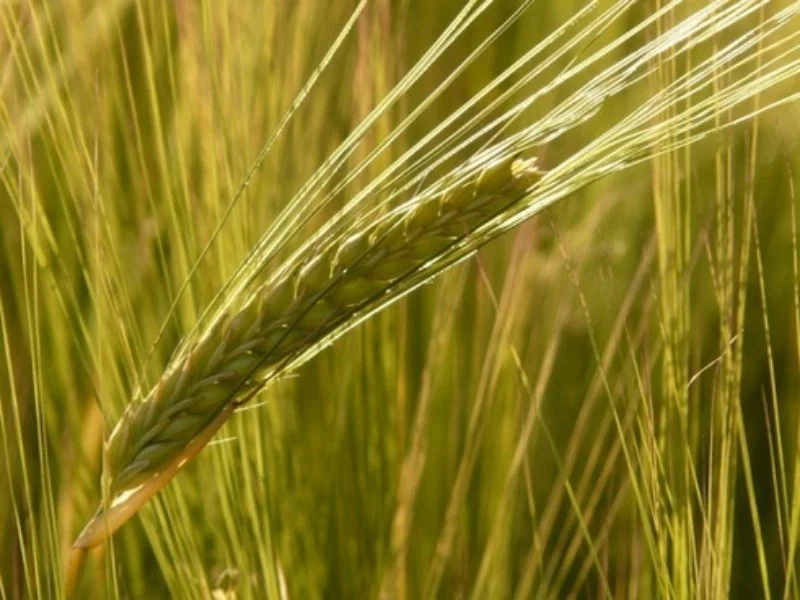
Rye
Whole Grains
Nutrients
B Vitamins, Niacin, Manganese, Phosphorus
Pregnancy
Rye is rich in minerals and vitamins which can be truly nutritious for both you and your baby. The fibre present in rye can help relieve constipation. But if you have a gluten allergy you should avoid rye.
Postpartum
Although Rye is rich in nutrients, if you have a gluten allergy you should avoid rye.
Breastfeeding
Rye boost milk supply, and give more energy with their abundant B vitamins and minerals. But if you tend to have food sensitivities, you may have more severe reactions or it can pass on to your baby whilst breastfeeding.
Baby
There is no gluten-free alternative of rye so before feeding your child with rye you should ascertain whether or not your child is prone to gluten related allergies. It is best to consult a doctor before offering your baby with rye.
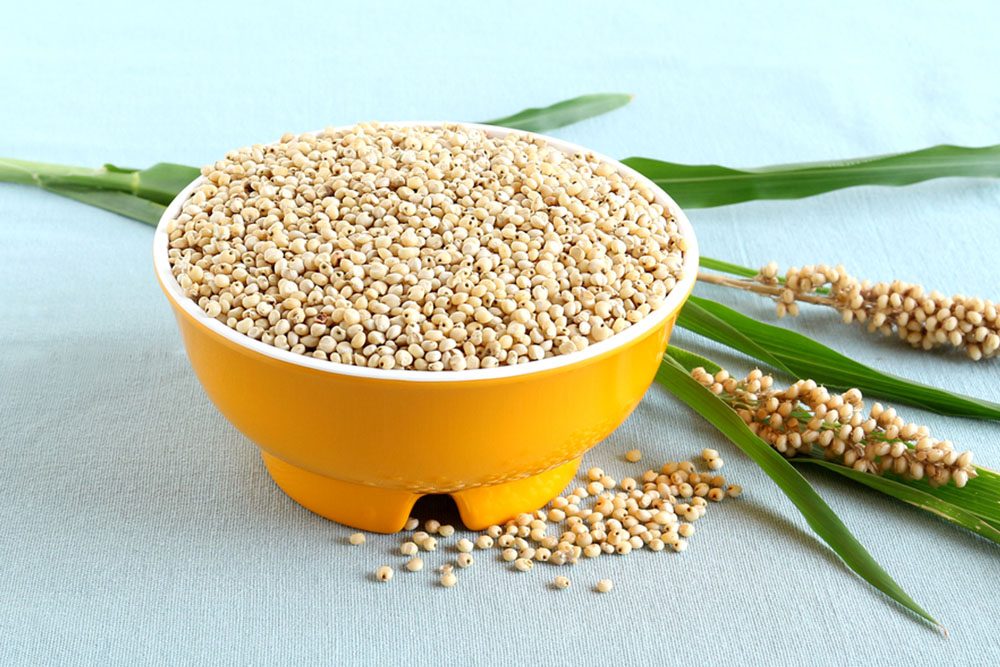
Sorghum
Whole Grains
Nutrients
Carbohydrates, Dietary Fibre, Proteins, Potassium, Gluten free, Thiamin, Riboflavin, Niacin, Vitamin B6 (pyridoxine) and E, Folate, Pantothenic Acid, Iron, Zinc, Magnesium, Phosphorus, and Selenium
Pregnancy
Sorghum, an “ancient grain”, is rich in proteins, vitamins, and other nutrients that are highly beneficial for mums-to-be as well as baby. Combined, these nutrients help prevent birth defects of your baby’s brain and spinal cord and also aid in the prevention of anemia in you, mum-to-be.
Postpartum
New mums can eat sorghum because it is rich in nutrients and minerals that will give you energy and help nourish your body after childbirth.
Breastfeeding
Breastfeeding mummy, sorghum is a wonderful grain to add to your diet as it is gluten-free and also nutrient-rich. In can also help control cholesterol.
Baby
Sorghum is a great food for your baby. Start with small quantities as you introduce your baby to solids at six months old. Sorghum is rich in nutrients which aid in your baby’s brain and spinal cord development. Try mixing a small amount of this ancient grain with rice porridge.
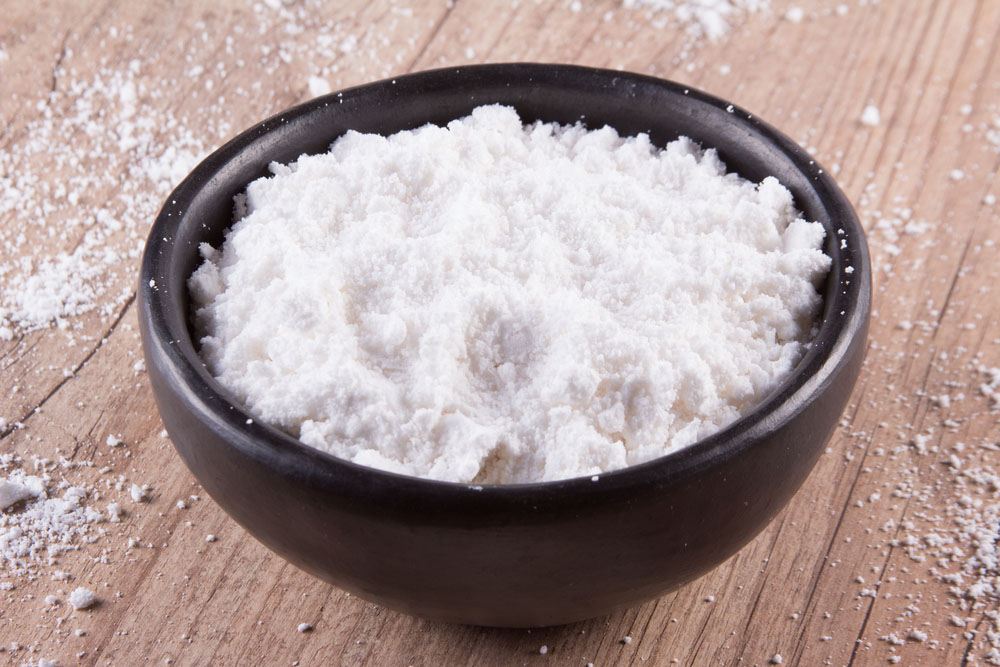
Tapioca
Whole Grains
Nutrients
Fibre, Calcium, Manganese, Iron, Folate
Pregnancy
Pregnant mummies can eat well-cooked tapioca in moderation. It is rich in nutrients that boost your immunity, and can also help with your baby’s brain development. Avoid eating raw or under-cooked tapioca.
Postpartum
It’s okay to eat well-cooked tapioca after you’ve just given birth. Because of its high starch content, it will give you much-needed energy to recover from the birth process. You should avoid it if you have high blood sugar though, as starch converts to sugar once consumed.
Breastfeeding
Tapioca is considered to be a galatagogue, or breast milk booster. Because it is rich in carbohydrates, it will also give you energy. You should avoid it if you have high blood sugar though (like in pregnancy), as starch converts to sugar once consumed.
Baby
Tapioca is not suitable for babies under the age of 11 months.
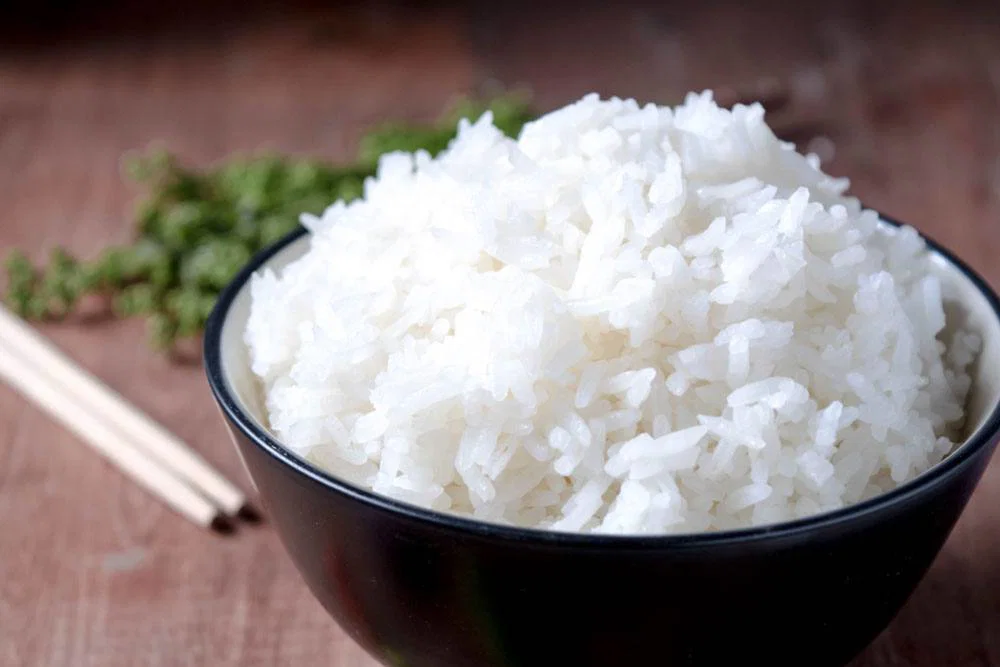
Thai rice
Whole Grains
Nutrients
Protein, Fibre, Zinc, Iron, Carbohydrate, Vitamin E, Riboflavin, Niacin, Calcium, Phosphorus, Potassium, Sodium
Pregnancy
Consume Thai rice in small quanities when pregnant, but do not pair it with alkaline food (e.g. fruits, nuts) as this will interfere with the absorption of nutrients. It can boost your immunity, and stimulate baby’s growth and development.
Postpartum
New mums can eat Thai rice, but don’t combine it with alkaline food (e.g. nuts, fruits), as this will interfere with the absorption of nutrients. The carbohydrates in Thai rice porridge can give you energy to recover faster.
Breastfeeding
Relish your Thai rice while breastfeeding and enjoy the energy it give you! Don’t combine it with alkaline food (e.g. nuts, fruits), as this will interfere with the absorption of nutrients.
Baby
Thai rice is not suitable for babies under the age of 11 months.
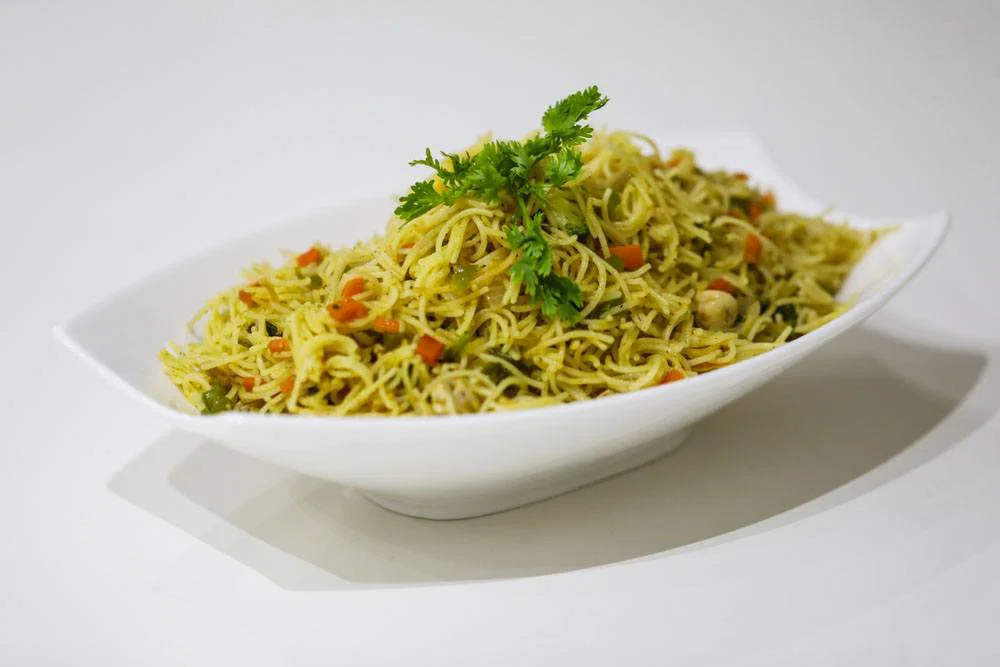
Vermicelli
Whole Grains
Nutrients
Protein, Carbohydrates, Iron, Phosporus, Potassium, Calcium
Pregnancy
One of the most popular Asian staple foods is vermicelli. It contains plenty of nutrients to boost your health in pregnancy, relieve morning sickness, and stimulate baby’s healthy development.
Postpartum
You can eat vermicelli during the months after birth. The nutrients present in it can help strengthen your postpartum body and replenish blood, especially if you bled a lot during delivery.
Breastfeeding
Vermicelli can definitely be part of your diet during breastfeeding. Cooked in a hearty soup, it is comforting and can give you a calcium boost.
Baby
You can also let your baby enjoy vermicelli when he/she is ready for solids after 6 months of age. With its mild taste, interesting texture and good nutrient content, these noodles tick all the right boxes.
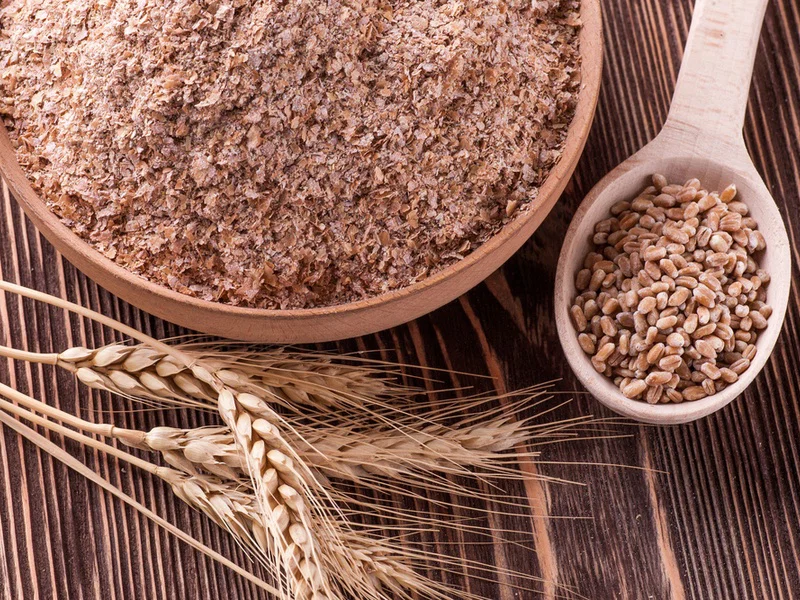
Wheat bran
Whole Grains
Nutrients
Proteins, Carbohydrates, Dietary Fibre, Thiamin, Riboflavin, Niacin, Vitamin B6 and E, Potassium, Iron, Magnesium, Phosphorus
Pregnancy
Mums-to-be, wheat bran is an excellent source of fibre and can ease pregnancy digestion issues. The nutrients it contains are great for your skin and hair. The vitamins in wheat bran can also boost your baby’s health, especially vision development.
Postpartum
Rich in fibre, vitamins and minerals, and low in calories, wheat bran is a great food for new mothers. It promotes good digestive health, and has antioxidant and cancer-fighting properties. Start slow, then increase gradually to let your body adjust to all the extra fibre.
Breastfeeding
Whole grains like wheat bran are excellent for breastfeeding mums, because they’re rich in fibre and vitamins and minerals. However, wheat bran could make your baby gassy. If you notice your baby feeling gassy or bloated, keep track of your food to see if your wheat bran intake could be the culprit.
Baby
Wheat bran’s fibre content makes it ideal to aid your baby’s digestion, helping to prevent issues like constipation. Just remember to introduce it in small amounts after your baby starts solids at six months of age.